 INTERVISTA
21/10/2026, Federico Baccini
 Protests and violence
20/10/2026, Arbjona Çibuku Tirana
what’s trending
 Opinion
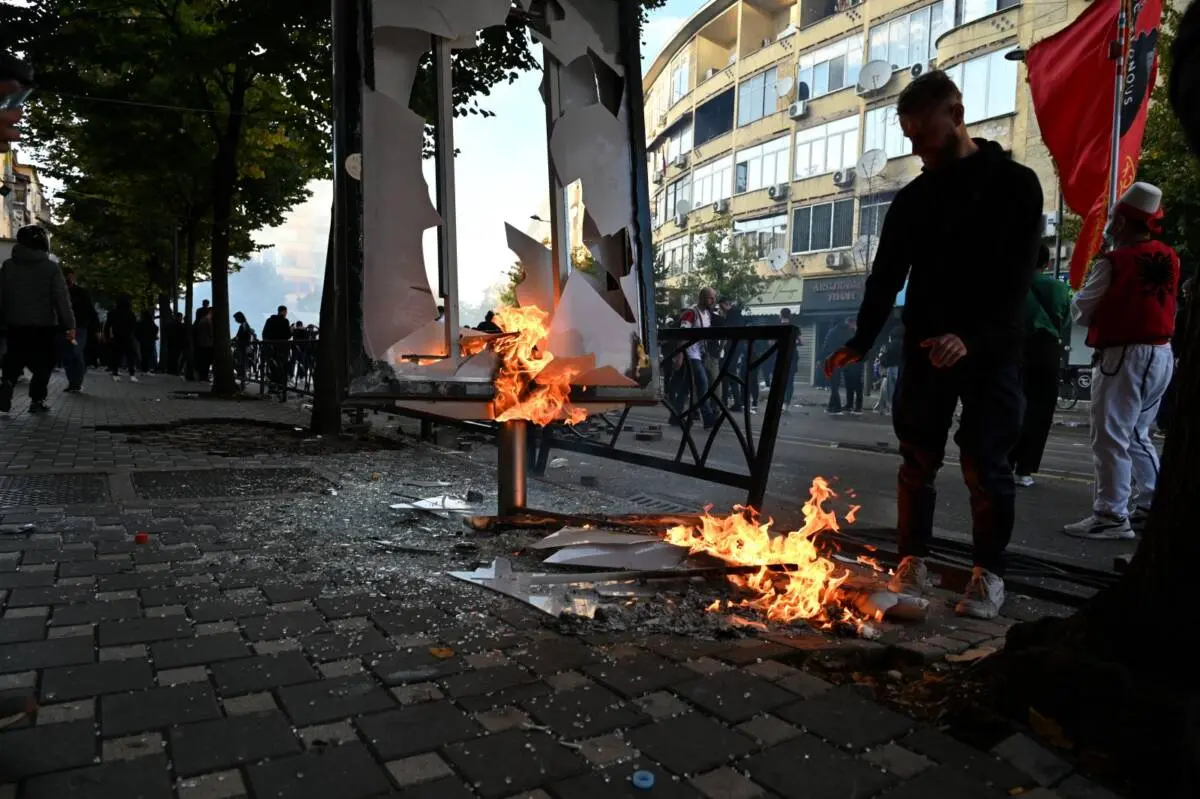
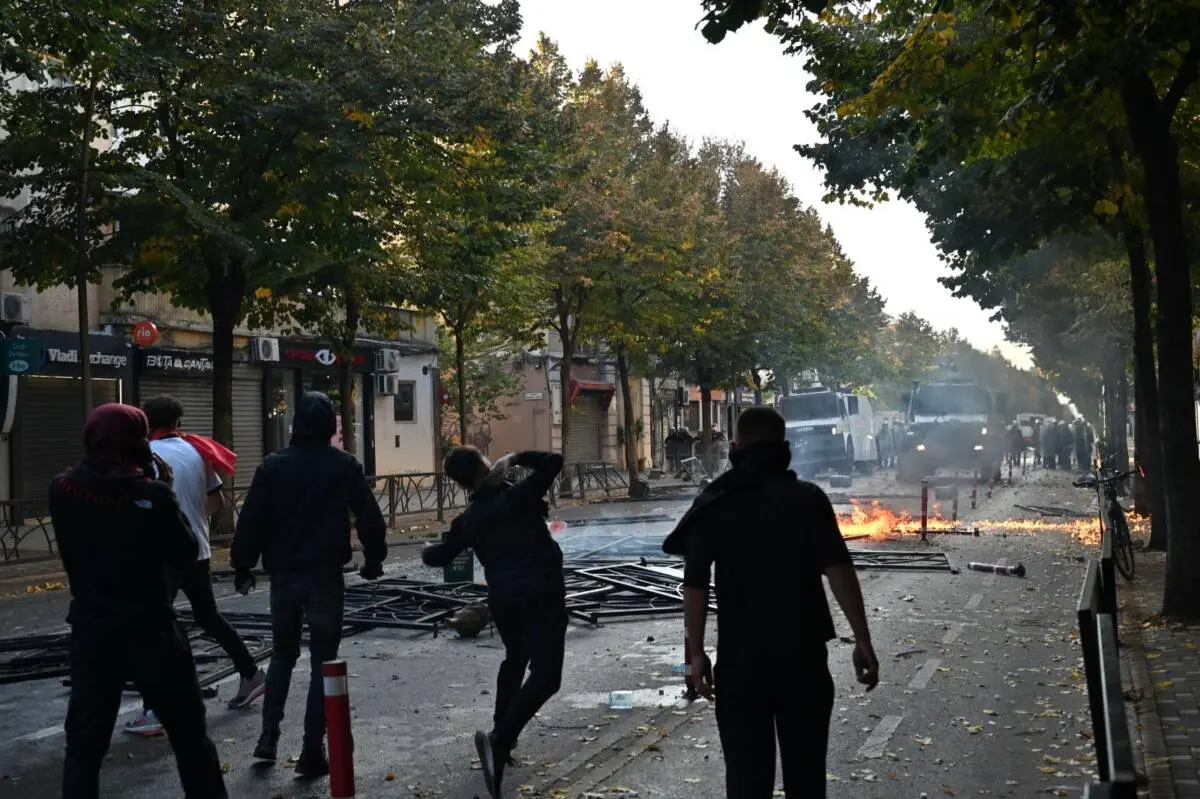
After more than four months of peaceful demonstrations, Albanian student protests erupted into violence last week. Faced with rising youth discontent, Prime Minister Edi Rama refuses to resign, and the country is on the brink of a crisis with uncertain outcomes. A comment
19/10/2026, Fred Abrahams
 the students' voices
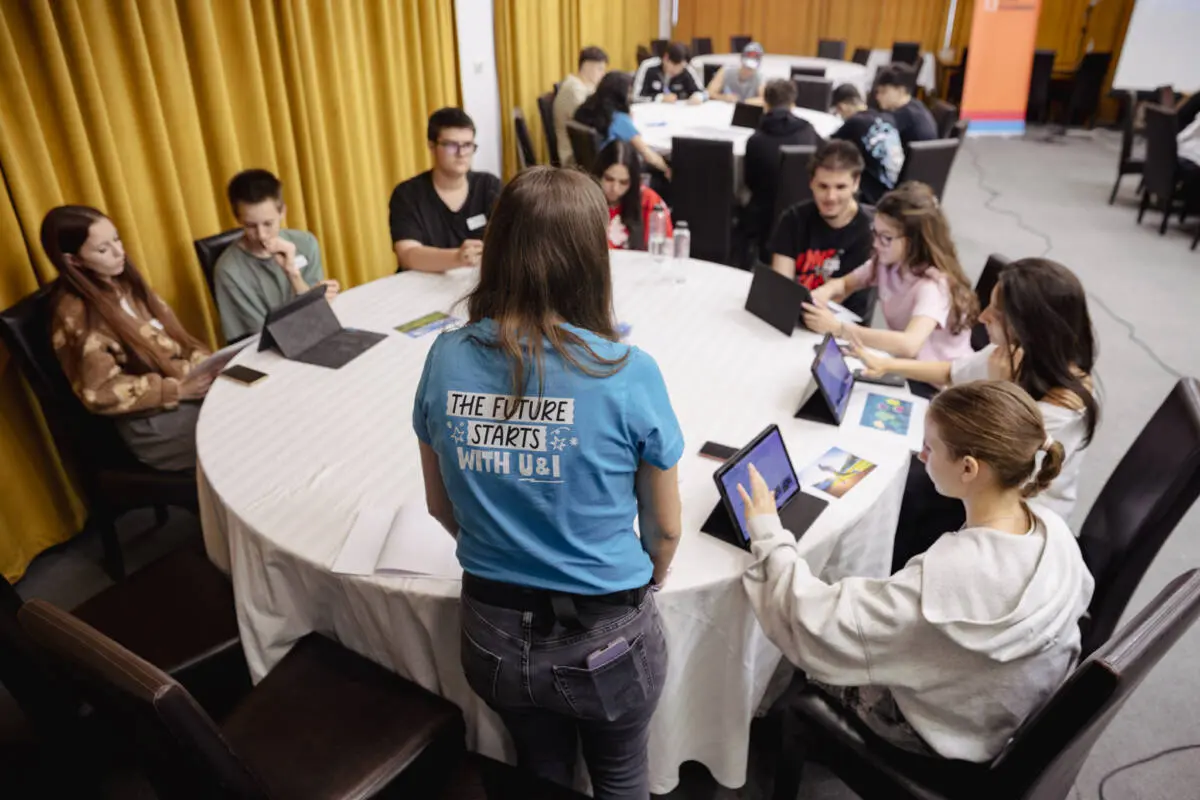
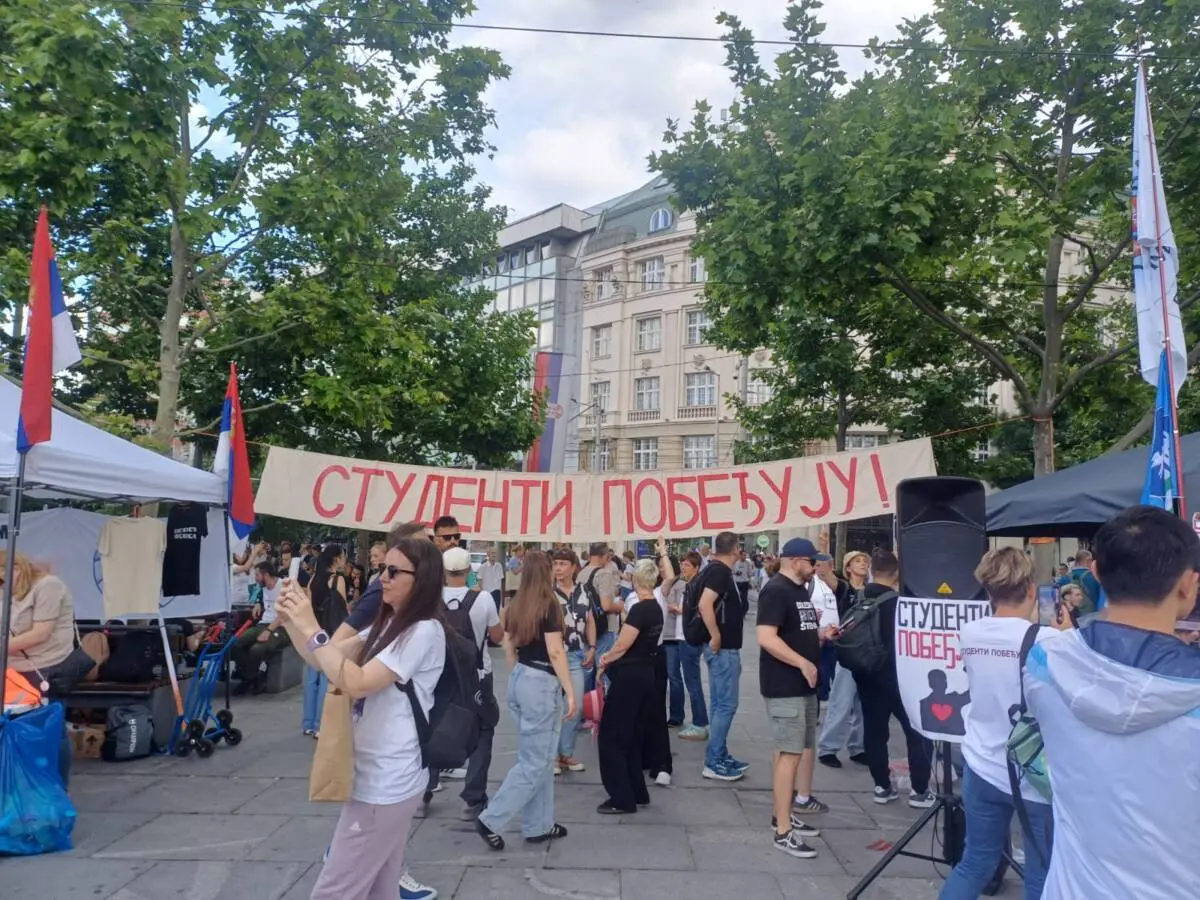
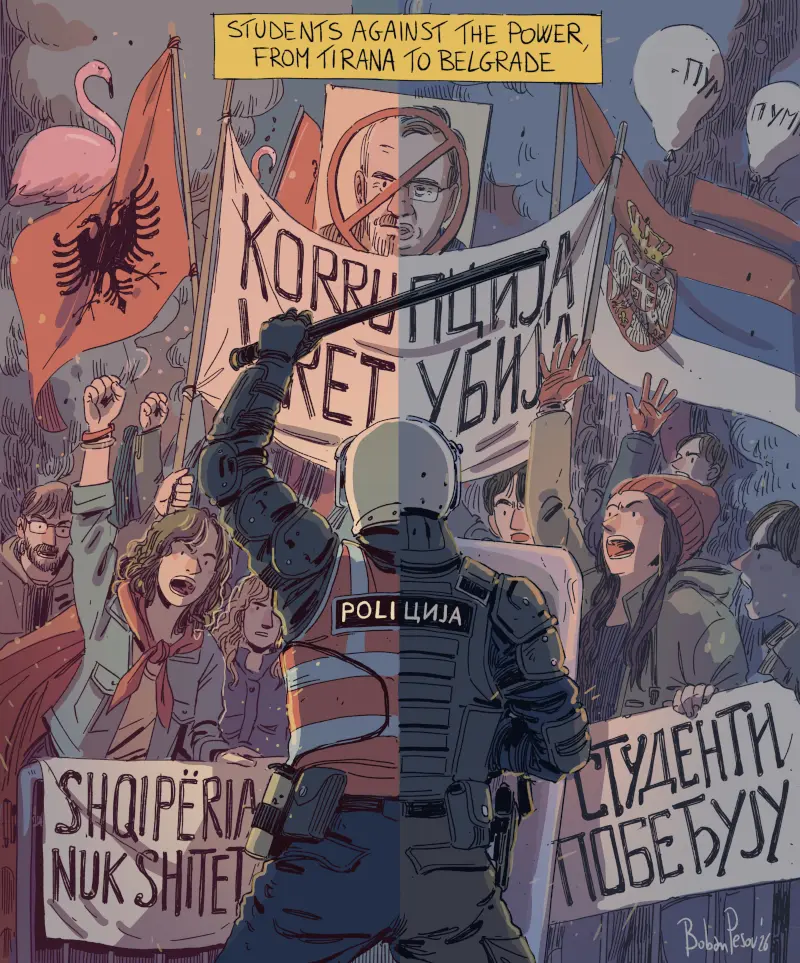
On the eve of the parliamentary elections in Serbia, we spoke with three students and a lawyer who believe that freedom is the greatest human value and that the future does not necessarily have to be marked by abandoning one’s country. We must fight for a society where no one has to choose between their rights and their safety
16/10/2026, Danijela Nenadić Belgrado
 Interview
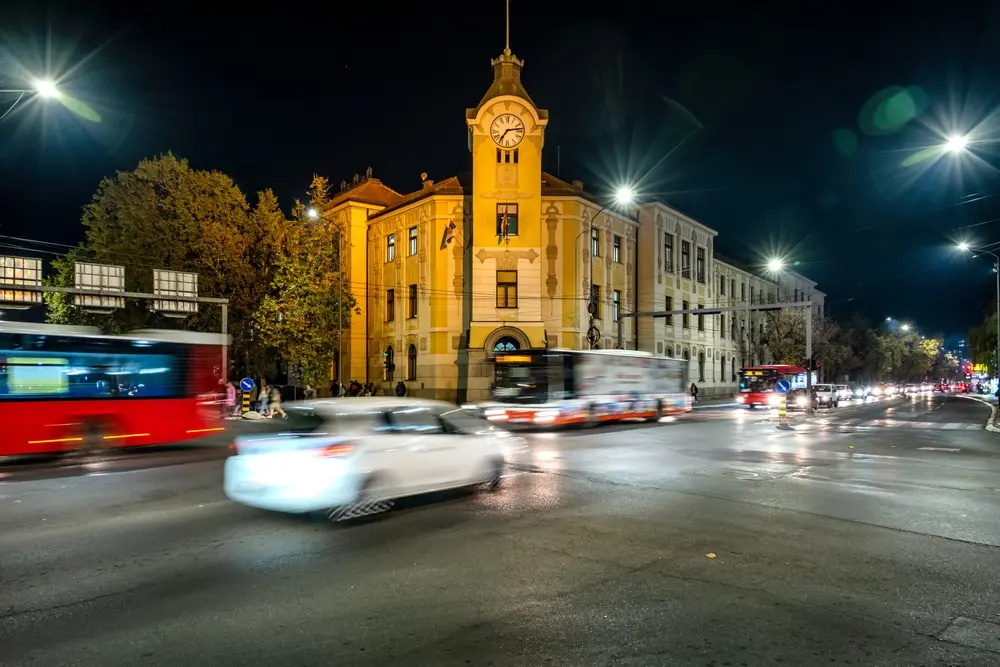
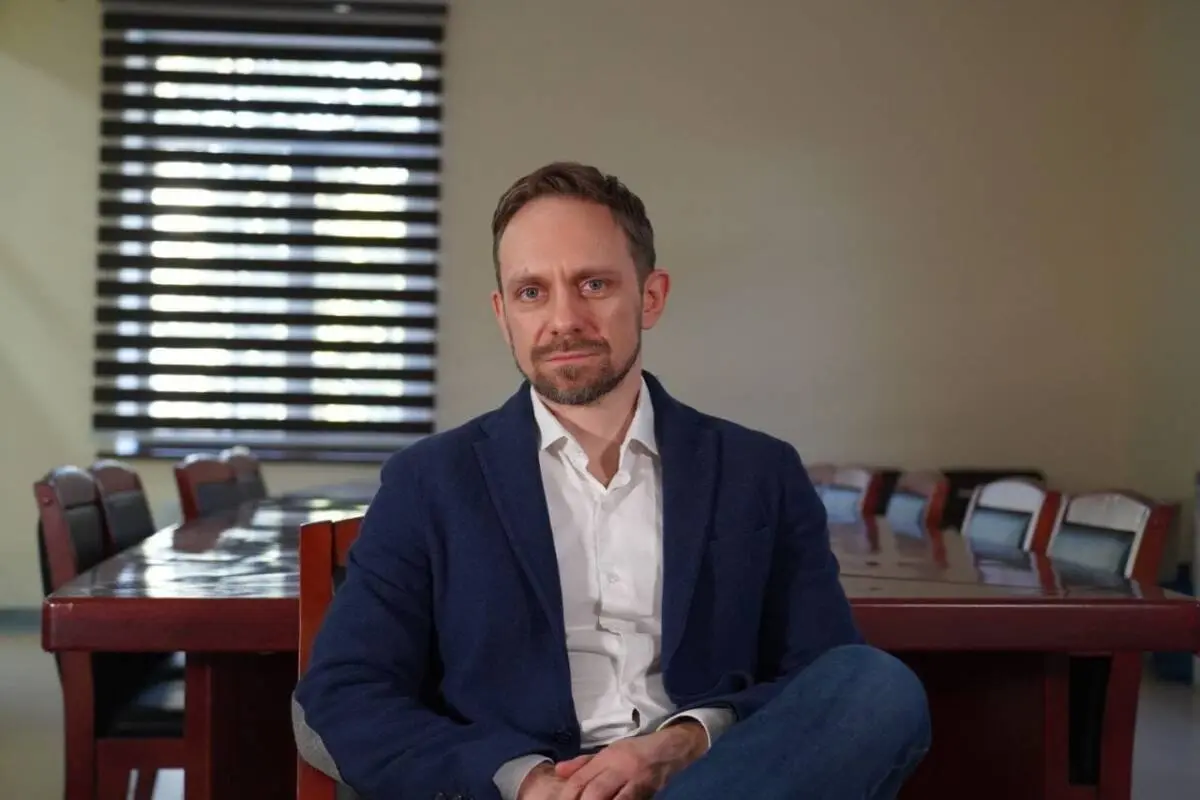
With parliamentary elections scheduled for October 25, Serbia is bracing for one of the most politically uncertain moments of the last decade. We spoke with political analyst Mirko Dautović about the atmosphere in the country, the significance of the student movement, the risks posed by the upcoming elections, and the potential reactions from the international community
15/10/2026, Danijela Nenadić Belgrade
 Conflicts
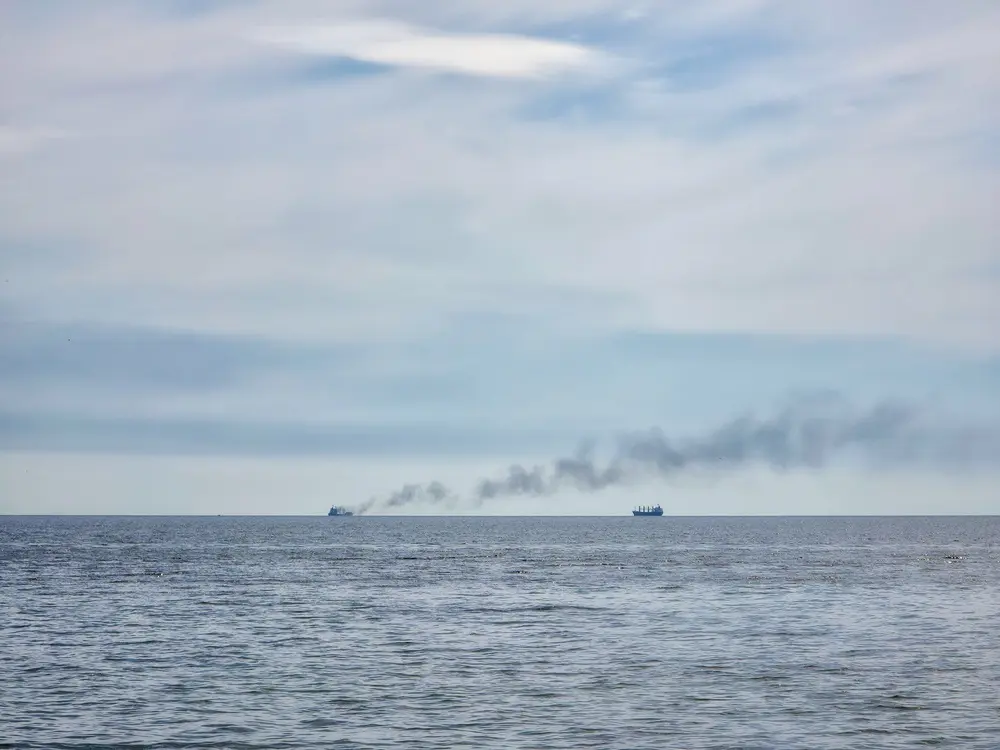
Over the past two weeks, four merchant ships have been attacked by drones in the waters of the Black Sea off the Bulgarian coast. Prime Minister Rumen Radev has opted for a cautious approach, without directly accusing Russia. This stance has sparked protests from the opposition, which accuses him of being too accommodating towards Moscow
15/10/2026, Francesco Martino Sofia
 Investigation
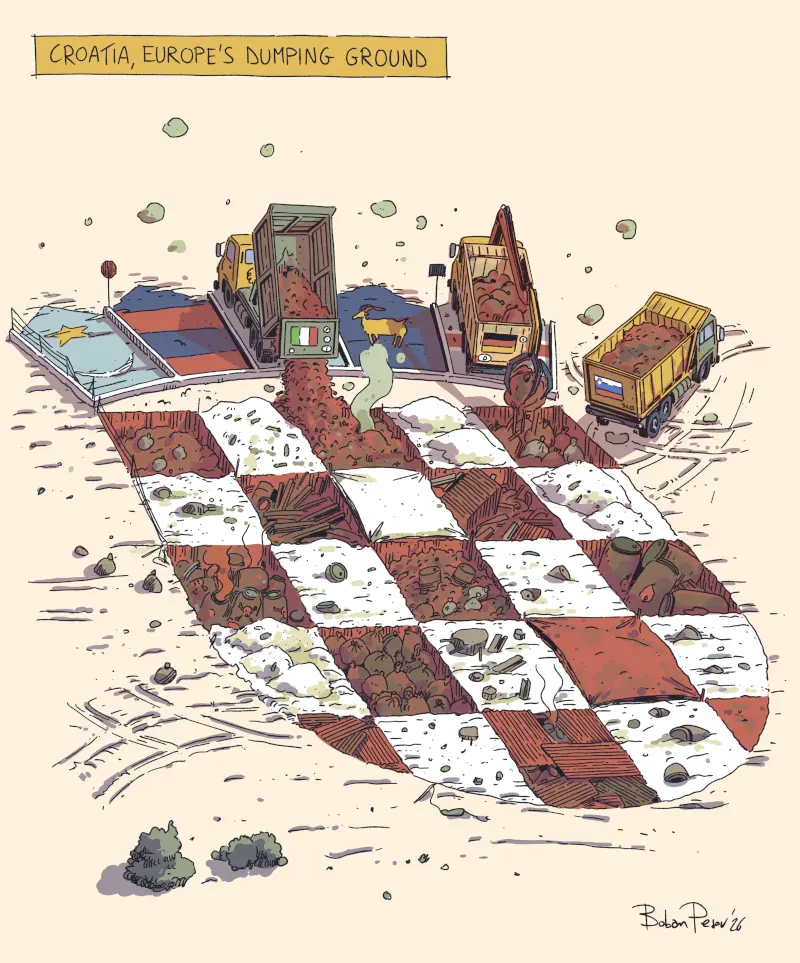
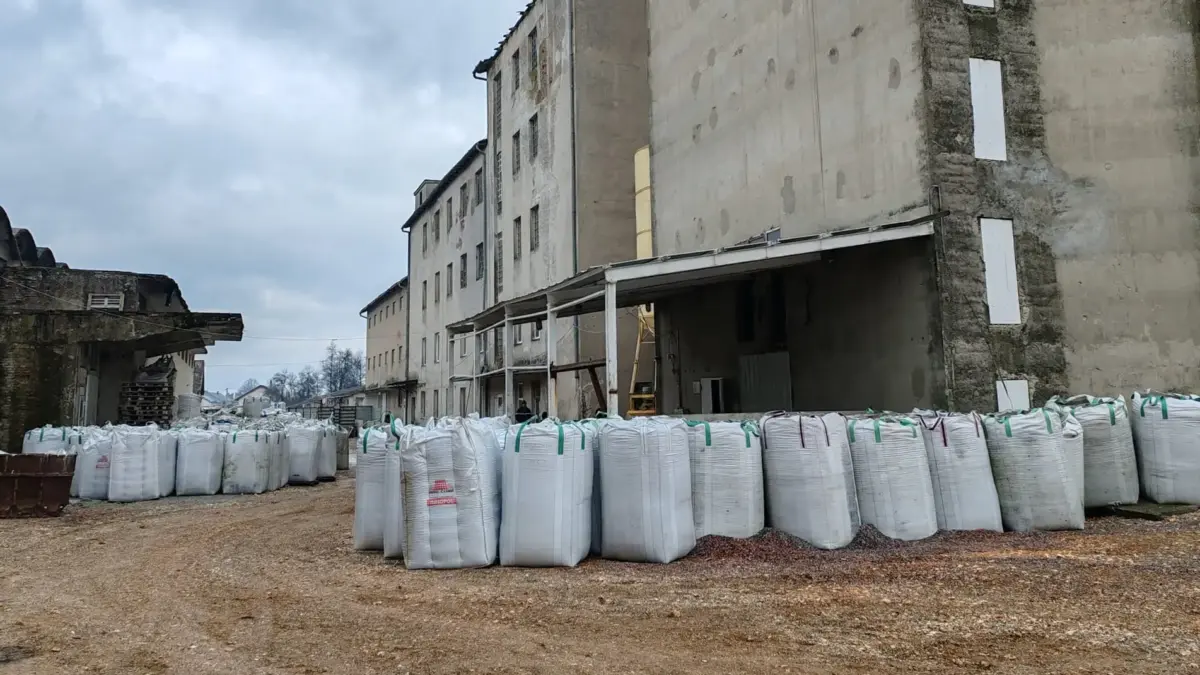
How thousands of tonnes of Italian waste ended up above an aquifer that supplies drinking water to an entire area of Croatia and why no one checked it. Our investigation
14/10/2026, Marta Abbà, Saša Leković
 students' protest
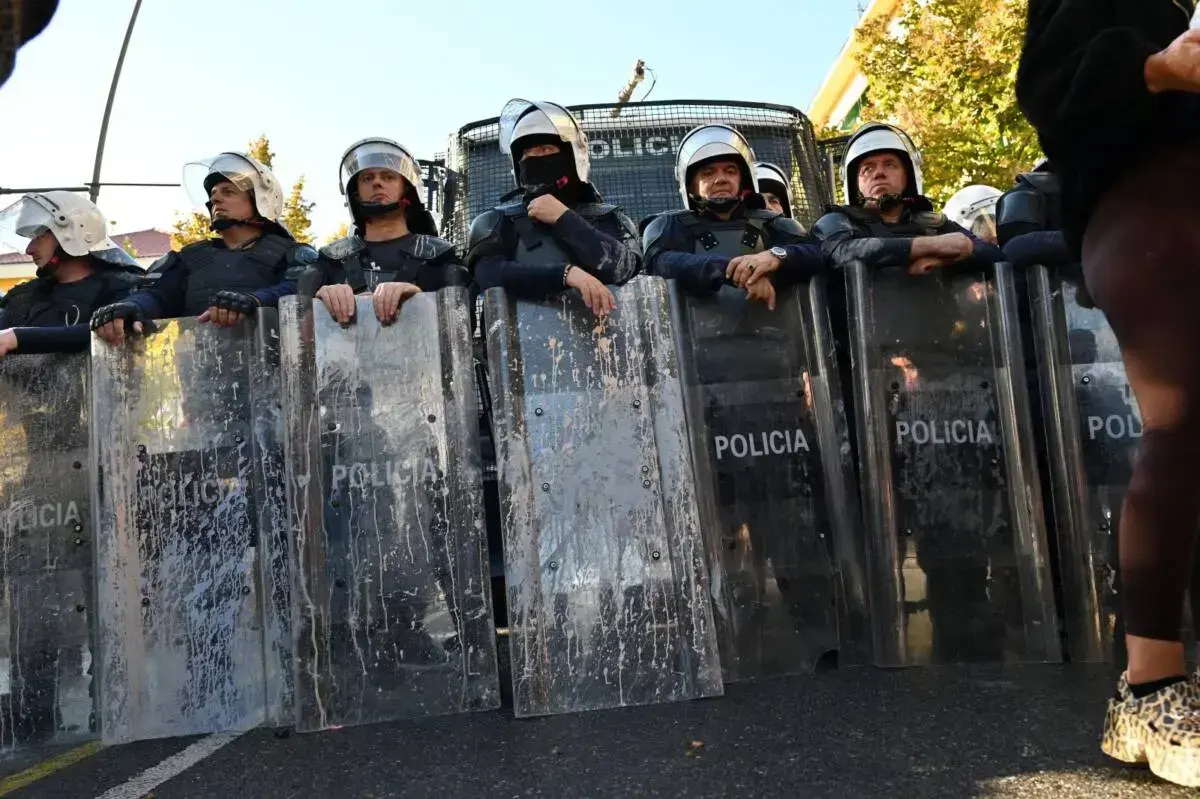
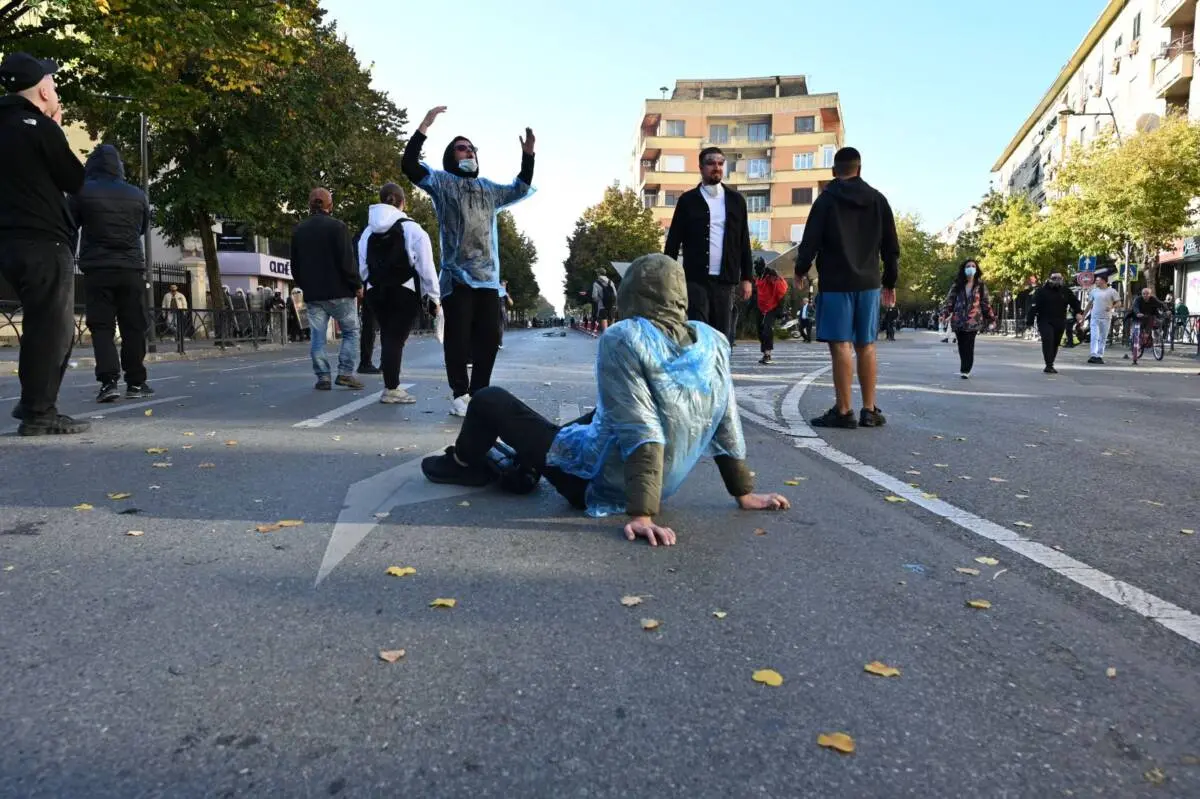
The rally held in Tirana on October 13 in front of the Ministry of Education turned into clashes between protesters and police forces. The students are demanding quality public education, better conditions and resignation of premier Rama. Albanian Helsinki Committee and the Association of Albanian Journalists condemn the violence and raise concerns about journalists’ safety
14/10/2026, Erisa Kryeziu Tirana
Comics
by: