Lithium and the rule of law: the price of the European green transition in the Balkans
In the European race for critical raw materials, mining in the Western Balkans is at the top of the Brussels agenda. But at what cost to the rule of law and enlargement criteria? We spoke with Marko Kmezić, a researcher at the University of Graz and co-author of a BiEPAG paper on authoritarian extractivism in the region
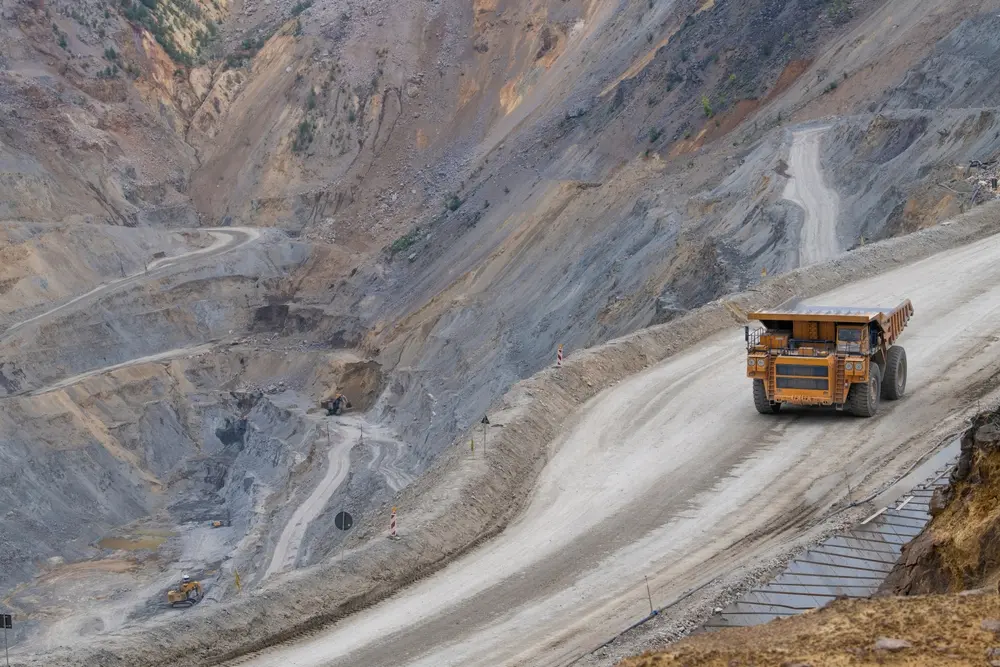
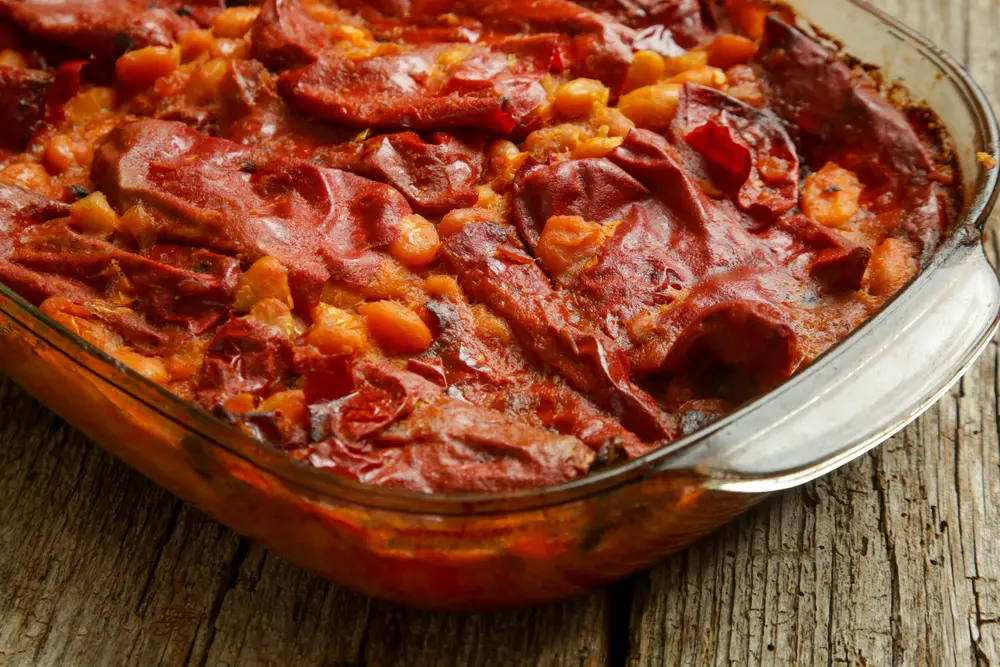
Copper mine in Majdanpek, Bor, Serbia © Dragan Mujan/Shutterstock
Copper mine in Majdanpek, Bor, Serbia © Dragan Mujan/Shutterstock
Europe’s attempts to free itself from dependence on China and the United States for the supply of critical raw materials and rare earths, necessary for technological development and green transition, have made mining in the Western Balkans a priority topic on the political and industrial agenda of the European Union.
However, in a region that has been involved in the process of EU enlargement for decades, this focus threatens to overshadow huge challenges – from environmental degradation to the lack of transparency in concession contracts and insufficient public participation in decision-making – that could undermine Brussels’ credibility when it comes to respecting its own standards and values.
“The EU should link enlargement policy to legislation on critical raw materials in terms of respect for the rule of law”, explains to OBCT Marko Kmezić, a researcher at the Center for Southeast European Studies at the University of Graz and co-author of a paper on countering authoritarian extractivism in the Western Balkans, published by The Balkans in Europe Policy Advisory Group (BiEPAG).
Bearing in mind that respect for the rule of law and environmental standards of the Union are already among the necessary conditions for accession, the inclusion of these criteria in the Regulation on critical raw materials that entered into force in 2024 “would be beneficial” for both parties.
Has the European Union already crossed the line beyond which geopolitical and industrial interests begin to prevail over the rule of law and democratic criteria?
“Stabilocracy” means that the EU ignores anti-democratic practices in order to protect the internal interests of the member states or the Union itself.
This is currently also true for security interests and geopolitics, including the urgency of achieving green transition goals in order to catch up with other geopolitical players in the race to extract and process critical raw materials that are important to industry.
Faced with potential or confirmed deposits of critical raw materials in the Balkans, the commitment of the European Union to the process of Europeanisation in order to bridge the gap when it comes to the deficit of democracy and the rule of law is called into question. This is in favor of promoting the extraction and processing of critical raw materials, which have become a priority for the EU.
Often it is not an accidental, but a deliberate consequence.
We have gathered a lot of evidence that points to the tendency of the EU to ignore some very problematic aspects of the current mining legislation, not paying enough attention to specific issues, such as ownership, the establishment of regulatory bodies and environmental protection. All these issues are part of the acquis communautaire and are taken into account in the enlargement process.
Considering all these factors, it is obvious that the EU is actually neglecting some of its basic principles.
Could the Union’s dependence on raw materials from the Balkans undermine the criteria for enlargement in terms of the rule of law, democracy and environmental standards?
The EU’s green transition is taking place in fragile and fragmented contexts, at least when it comes to Serbia and Bosnia and Herzegovina, where it is not possible to effectively ensure environmental protection or the rule of law and democratic accountability.
The mining sector shows that government capacity in the mentioned areas are not being strengthened, that is, there are serious democratic shortcomings, the same ones that are assessed within the process of accession to the Union.
The EU makes too many concessions and is not firm enough in terms of demands related to the very areas where its credibility has been largely undermined in recent years.
This further explains the reasons why local politicians are so interested in certain mining projects, even though the economic benefits for local communities would be limited, while the companies directly involved in the mining projects would benefit the most.
It is not about the economy, but rather some kind of compromise that autocrats use to strengthen their stabilocratic approach and silence critical voices against such a way of ruling as much as possible.
How do you explain the emergence and resistance of environmental movements around projects like the Jadar lithium mine?
I think it would be wrong to define these protests as anti-mining, because nobody in Serbia is against mining as such. The essence of these environmental protests is the lack of environmental protection and neglect of the health of citizens in the Jadara valley, and beyond.
One example is Bor, where the Chinese company Zijin de facto manages an area within Serbia, completely ignoring all national, international and European regulations.
In such situations, there is concern about the possible consequences of the lack of political responsibility and the rule of law, not only when it comes to soil pollution, but also to the health of people living in those areas.
Environmental protests are much broader and are not specifically directed against the European Union or mining activity. Simply put, they are a cry for democratic accountability, the rule of law and the establishment of democratic and supervisory institutions.
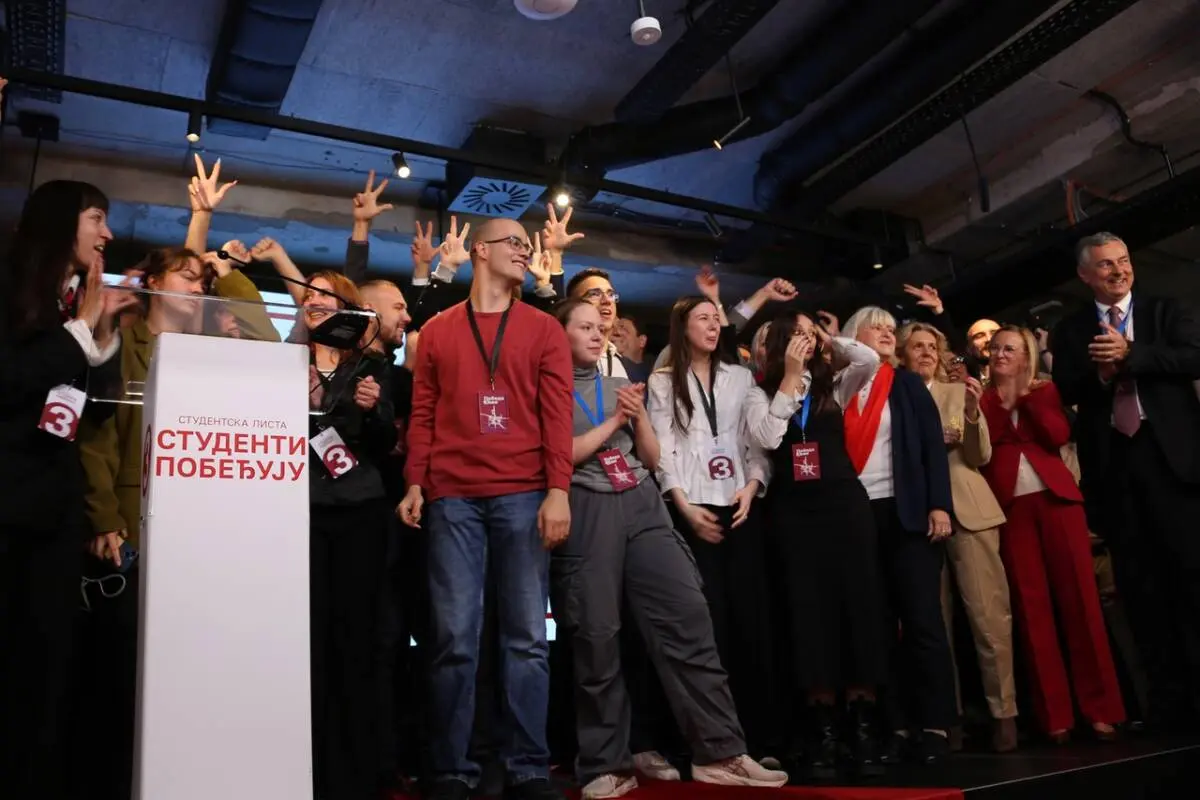
Bearing this in mind, it is not surprising that student protests, the environmental protests and all democratic manifestations in Serbia in the past fifteen years have aimed at the same goal, regardless of the motive that triggered them.
It is very frustrating and even regrettable that Brussels is prioritising its own internal interests, allowing these protests to be easily mistaken for anti-EU protests.
Even the most ardent supporters of the European Union are deeply disappointed by Europe’s reaction, and this is one of the most serious consequences of this whole story. The Union is completely losing credibility in the Western Balkans.
Do you think there is a way for the EU to credibly promote the green transition, while supporting mining projects in the region?
I think there is. The EU’s priorities for securing the supply chain of critical raw materials should be closely linked to enlargement policy, while establishing criteria for rule of law reforms.
Conversely, continuing with business as usual risks undermining the EU’s own democratic standards in the region and allowing authoritarian rule to continue.
The EU should link the enlargement policy to norms on critical raw materials regarding respect for the rule of law.
In other words, the requirements already defined in the accession negotiations should be included in the European legislation on a reliable, sustainable and diversified supply of critical raw materials.
In this way, the Union, and especially the German automobile industry, would get much-needed raw materials, while Serbia and the entire region would find themselves in a more stable and secure democratic environment, thus also reducing fears of possible Russian interference.
Found an error in this article? Please contact our editorial team at redazione@balcanicaucaso.org.
Tag:
Featured articles
 the students' voices
 Investigation