Turkey, the takeover of Bilgi University
The story of how a Turkish academic institution was taken and returned in just one weekend. We are talking about Bilgi University, one of the country’s most prestigious universities and a veritable political incubator for the opposition, which Turkish President Erdoğan decided to close by decree before backtracking
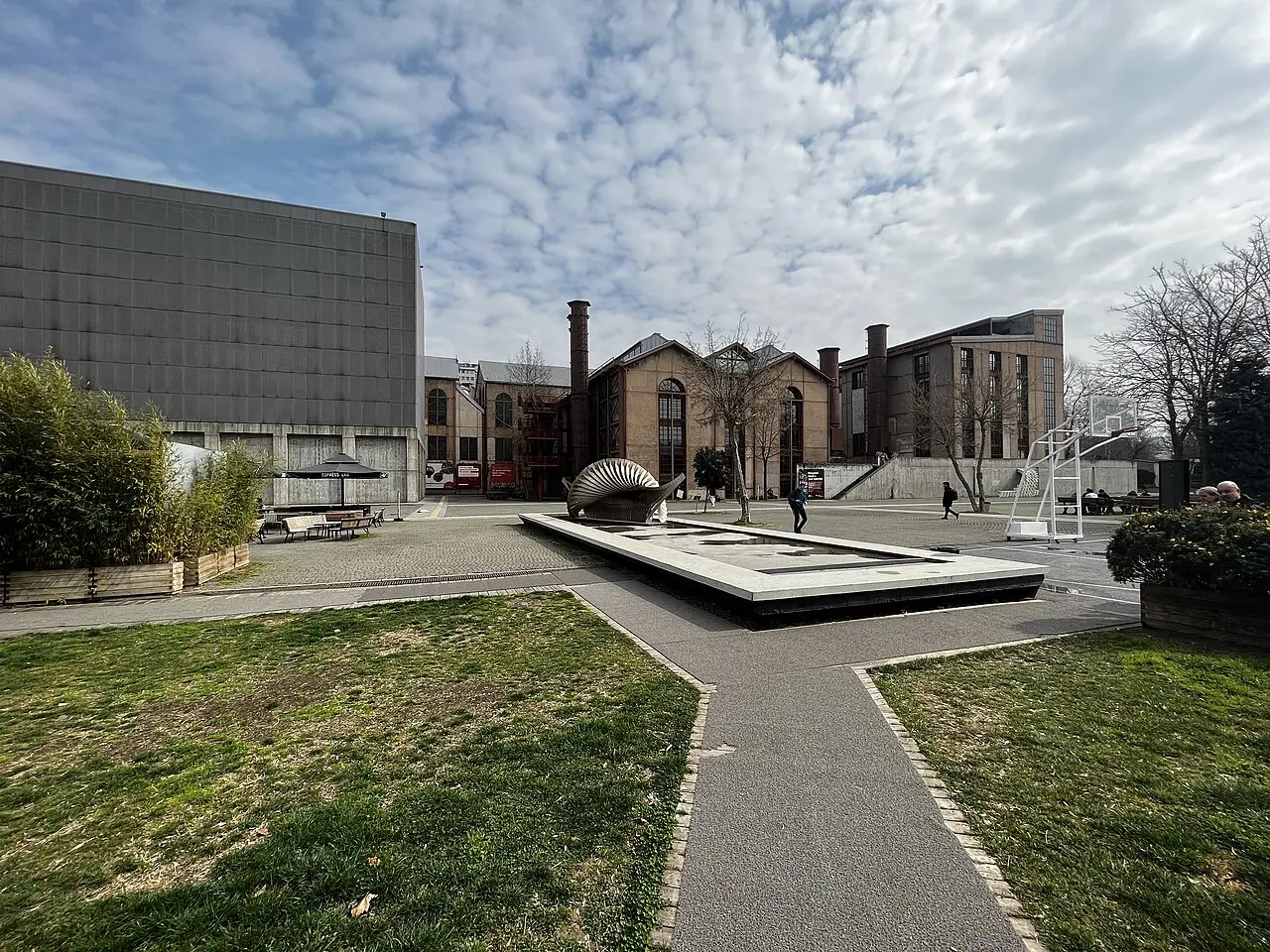
Istanbul Bilgi University Santralistanbul Campus in March 2023
Istanbul Bilgi University Santralistanbul Campus in March 2023 - photo Kurmanbek CC 4.0
On Friday 22 May, a presidential decree signed by Turkish President Recep Tayyip Erdoğan ordered the closure of Bilgi University, one of the country’s most prestigious institutions and a veritable political breeding ground for forces opposed to the AKP. Next Monday 25, a new decree annulled the decision and reinstated the university. In between, a crazy weekend of protests and questions over the future.
In September 2025, a large-scale law enforcement operation was carried out against Can Holding, the company owner of the university since 1996, when it took over the Bilgi Education and Culture Foundation. The Holding, who already saw Bilgi University managed by a state-appointed trustee committee in the past months, faces allegations such as “forming a criminal organization,” “money laundering,” and “fraud”.
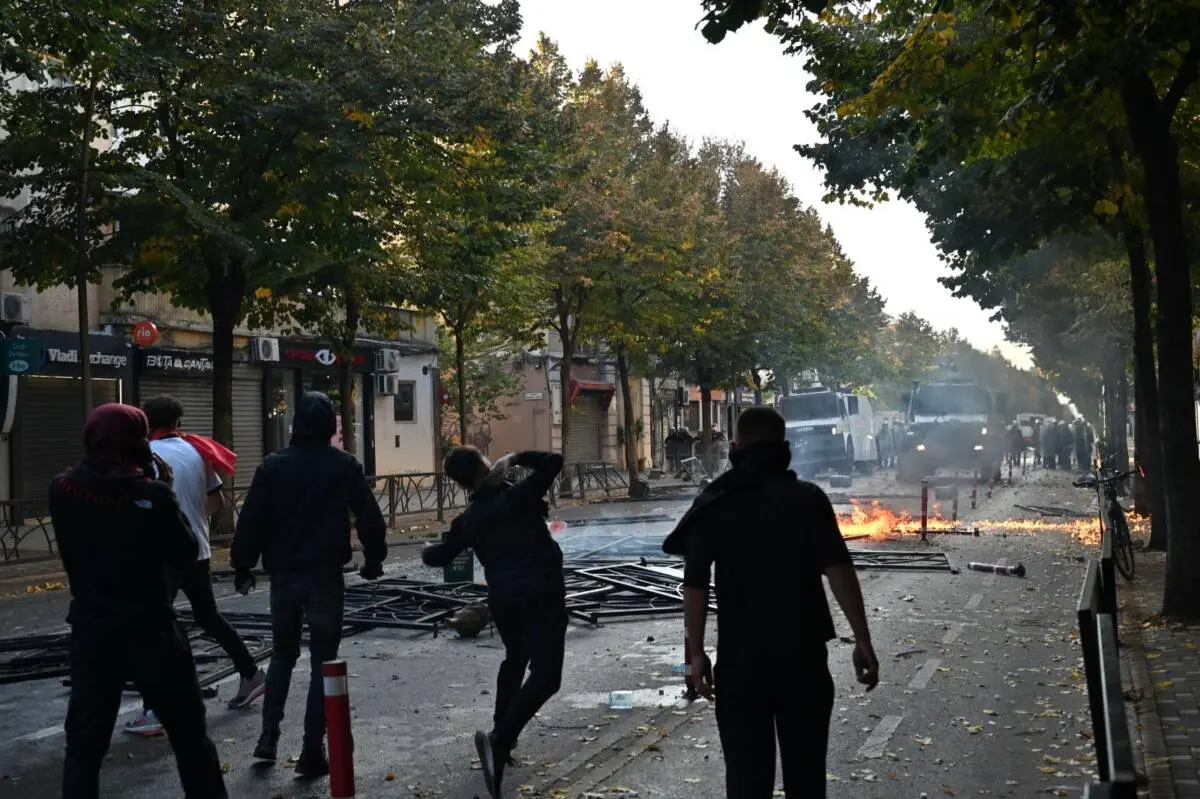
The Savings Deposit Insurance Fund (TMSF), an governmental body that safeguards deposits and manages liquidation processes, seized the holding. The presidential decree came right after. Protests continued during the weekend, with police that intervened against the students and alumni with tear gas and force at the SantralIstanbul campus, where crowds gathered to protest the decision.
After a weekend of riots and public outcry, the takeover was annulled and everything returned to the usual routine. Is that really so? We discussed these events with Ethem Özgüven, documentarist, film director and employee at the Bilgi University.
Özgüven, can you explain to us what Bilgi University is and how these rapid and seemingly incoherent decisions were taken?
It is not a big surprise in Turkey, where anything and its opposite seems possible, but it will take some time to understand these events and their nuances. Bilgi University was an experiment started in 1996 with the capital and initiative of Oğuz Özerden and a small group of visionaries.
After the dark times of the military putsch and the leading junta in the 1980s, it was meant to be a place for freedom of expression and the coexistence of different views, ideas, people, visions. Built away from the bourgeois of Istanbul and in the vicinity of “gecekondu”, low-income slums of the city, it allowed men and especially women from those neighborhoods to access jobs, monthly wages and social security.
A big part of the identity of Bilgi is the avoidance of hierarchies of social status: the name tags on the office doors do not indicate the academic status of the person inside. Bilgi is the only private university with an organized trade union with members from both academic and non-academic staff. Scholars such as Loïc Wacquant, Noam Chomsky, Jürgen Habermas, David Harvey, and many others held lectures and talks in the different Bilgi campuses.
An important feature of Bilgi University was always art: Erol Akyavaş Retrospective and the catalogue printed at Bilgi Publishing House is just one example. Personally, my documentary and film career very much depended on this university, and on my dear friend and producer Serdar Gürmen.
The university offered support to many young film makers by providing access to equipment, spaces and guidance, including for instance women from rural and Southeast Turkey, as well as from the 1999 Earthquake area. It has always been more than just a university – it has a backbone and an identity of free thinking, nurtured by the administration and the academic staff. However, this kind of spirit is not well received in the post-Gezi Turkey.
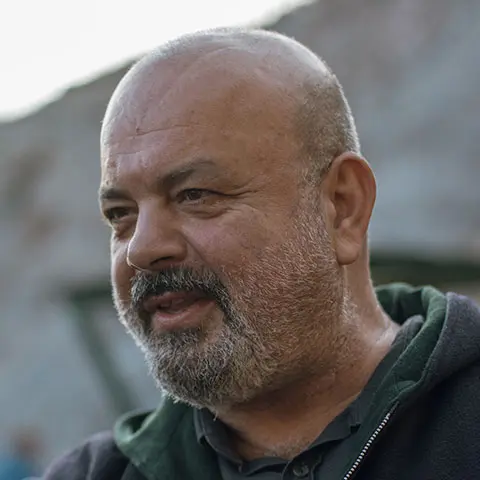
Ethem Özgüven (Private archive)
Ethem Özgüven is teaching CONTRA and Documentary at Bilgi University. As documentary maker, since the 1990s he explores politics, environmental resistance, human rights and labor rights movements. In his work as a video artist he tackles the issues of human life in contemporary metropolis: technical and visual power, isolation of the individual, fear and loss of empathy. While working on the visual options of video in the 90s, he created the concept of CONTRA. This concept used many of the elements from commercial advertising, but rejecting the worn paths of agencies, deliberately using objects of consumption and exchanging them for exploring social, environmental, and rights issues. Özgüven’s documentaries and video art has been screened in more than 50 countries in major festivals and platforms. He created the concept & directed FIMa International Video Workshops (1991-1999), Environmental Film Awards (1998-2000), Golden Orange Documentary Film & Video Festival(1995-1996). He is currently coordinator of BIFED – Bozcaada International Festival of Ecological Documentary.
While the repeal of the first decision seems to apparently save the university from its closure, what are the immediate consequences in terms of fragility of the academic institution and the people studying and working there? Is there any chance that this could happen again?
From Friday until Sunday, scholars, administrative and other staff were jobless. We are talking about 1500 people. With the second Presidential decree, the previous situation was reinstated. This kind of decisions are questioning the security of education, freedom of education and research, the international credibility of higher education in Turkey. It also shows the fragility of the job security in education, both in academic positions as well as in administrative ones.
The international contracts and cooperations might also take a blow, and there might be reluctance for such cooperations in the future. Foreign students and academicians might refrain from choosing Turkey as their country of work/education. For Bilgi specifically, it might mean that there will be less students choosing Bilgi as their university for their higher education.
The last few days just showed that anything is possible, and everybody might be affected by such circumstances. On the other hand, another outcome could be that the reaction of the students, graduates and the university personal together with the solidarity around the society might make the university even more desirable to study at and to work at – always keeping in mind that nothing is guaranteed.
Even if Bilgi will continue to exist and fulfil its role in the Turkish society, what are the wider implications in Turkey?
These two decisions were completely unexpected. Both were published as presidential decrees in the official gazette at midnight. Not one person in the university and the higher education board had any idea about this. This whole process of decision-making is obscure as there is no transparency. Everything is speculative.
How can the president decide about the future of 22000 young students, only days away from their final exams, without considerations of their fate? This is one more step to dismantle civil society, science and critical thinking. This is one more step for young people to lose hope for a state with laws and a democracy that upholds their rights. This insecurity about everything that younger generations have achieved, and what they could achieve tomorrow, will destabilize their already shattered trust for a future.
How can the international community, civil society actors, academia, and institutions provide support and help in these circumstances?
It has been a long time since we lost hope of any support from EU officials. The blatant double standards are disheartening, as the whole situation about the refugee deals with Turkey, Libya, Tunisia shows. The new developments about weapon trade deals, the denial of the genocide in Palestine, the sports washing in the different Arab countries, are but a few of the negative trends we witness. However, support for the freedom for academicians in Turkey is still a very important issue.
There are many things that universities in the EU could do: stronger support for visa applications for students and scholars, or for projects the Turkish researcher propose. It would also be very important for intellectuals, academicians and institutions to select more carefully which conferences, festivals and events they attend and support in Turkey. Many interesting and shiny designed organizations are just a cover up for state propaganda. It is now more than ever important to support dissident voices and help them to be heard.
Anything that you wish to share with our readers? Any other messages or comments?
We have only one answer when such unfair actions take place: solidarity and resistance. It is not easy, but the world is not on an easy path. Issues like health, work security and education have become areas of profit. I believe we need much stronger international solidarity when something like this occurs. As I said before, we have lost our expectations from European governments.
But we have great expectations from scholars, students, journalists and the people of Europe and elsewhere. In those last days we have experienced the thing we call “Bilgi Soul” is still alive with the hope that it will survive the coming years.
Found an error in this article? Please contact our editorial team at redazione@balcanicaucaso.org.
Tag:
Featured articles
 Investigation
 students' protest
 Montenegro Pride 2026