Serbia, journalists under pressure
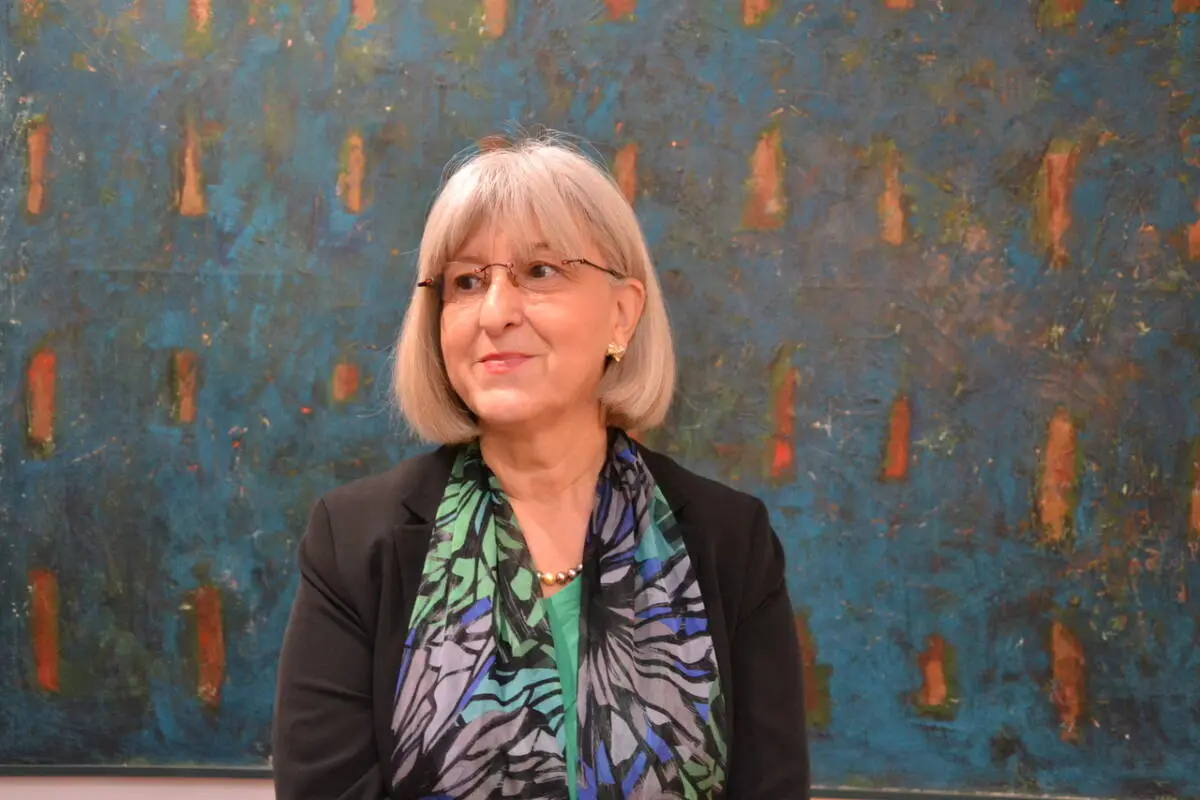
Ljubomir Stefanović, a journalist and founder of the portal Slavija Info, has left Serbia and requested asylum in Montenegro. He claims to be the target of systematic persecution by the Serbian security services — including wiretapping, the confiscation of his professional equipment, and various forms of pressure — which he says have intensified ahead of the elections in Serbia
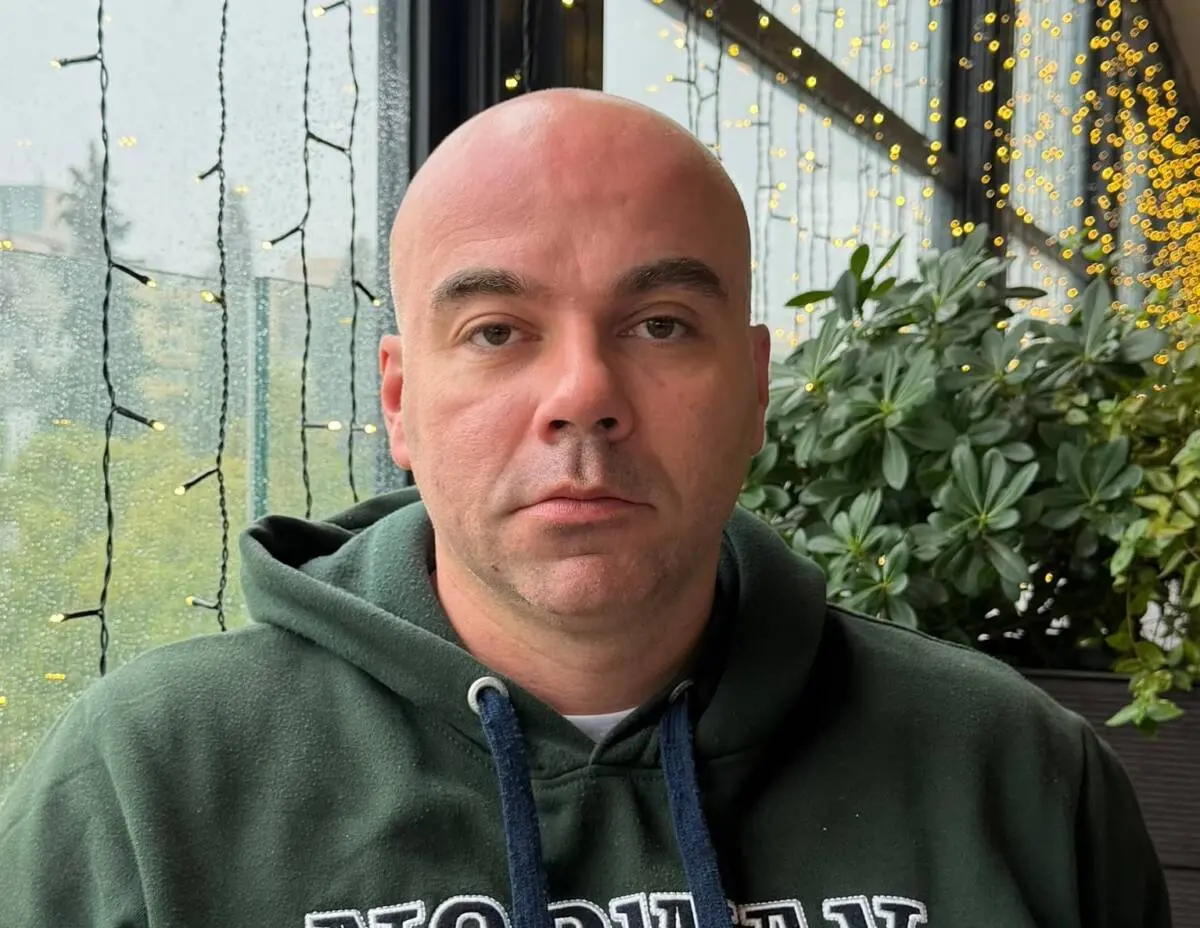
Ljubomir Stefanović – (foto archivio privato)
Ljubomir Stefanović - (private archive photo)
Ljubomir Stefanović has decided to leave Serbia after — as he explains — police surrounded his home and the Belgrade Public Prosecutor’s Office initiated proceedings against him. Stefanović is suspected of causing panic and unrest.
The journalist rejects the accusations, describing the prosecutor’s actions as a continuation of a campaign of pressure to which he has been subjected for years.
In an interview with OBCT, Stefanović discusses the reasons that drove him to leave Serbia, the conduct of the Serbian intelligence service (BIA) toward him, the actions of the judiciary, the state of independent media, and the elections in Serbia.
What was the primary reason that led you to leave Serbia and seek asylum in Montenegro? Was it a specific action by the police, or was it systematic pressure?
I have been under surveillance, including covert surveillance , since 2019. I filed two complaints against the BIA: one for unlawful detention (kidnapping) and another for the installation of spyware on my phone.
I discovered that they intended to prevent me from using the Internet while the elections, and any potential post-election unrest, took place.
Over the last seven years, I have been subjected to more than ninety searches at border crossings, two searches of my home, and the seizure of my work equipment on two occasions.
There is an ongoing investigation against you in Serbia on suspicion of causing panic and unrest. Why did you decide to leave the country instead of defending yourself against these charges before the Serbian judicial authorities?
I decided not to defend myself in court after the Higher Public Prosecutor’s Office, in a previous case initiated based on a complaint I had filed, determined that, in my situation, unlawful detention does not constitute a criminal offense. The public prosecutor’s office did not consider it problematic that the BIA blocked my path and forced me into a van at gunpoint, only to then blackmail me for hours with false accusations of raping a transgender person.
I no longer trust Vučić’s judicial system.
Why do you no longer trust the Serbian judiciary?
In Serbia, it is impossible to obtain justice in criminal proceedings, especially those overseen by prosecutors and judges loyal to the Serbian Progressive Party (SNS). In my view, this same loyalty is present within the Belgrade Public Prosecutor’s Office.
For instance, if a citizen files a complaint against the BIA, the proceedings drag on for far too long and often never reach a conclusion. I am convinced that individuals who have been blackmailed, and who are therefore loyal to the BIA and the SNS, are placed in key positions, facilitated by the misuse of spyware such as Pegasus, Predator, and others. Consequently, prosecutors and judges, who ought to be independent, are reduced to mere executors of orders from the executive branch.
I have repeatedly received written rejections regarding the complaints I have filed, such as in the case of my abduction in 2024, where even my lawyer, Kruna Savović, was shocked by the explanations I was given.
As for the wiretapping, despite evidence provided by the SHARE Foundation, which was subsequently confirmed by Amnesty International, no criminal proceedings have yet been initiated.
During which period did you experience the most intense pressure, and how did it affect your private life and your work as a journalist?
The pressure reached its peak in 2024, prior to the collapse of the roof canopy in Novi Sad. They targeted people with whom I have some connection, subjecting them to sanctions following various inspections, often carried out by the Tax Administration.
They wanted to isolate me from other people and from information, as if I were a virus rather than a human being. I couldn’t even secure an office or a workspace, despite having paid for everything in advance.
I faced various forms of persecution, as well as an arrest, which I consider unjustified, after I published a statement claiming that Vučić had signed an amnesty for himself, his mother Angelina, his father Anđelko, and his brother Andrej.
How did the platform Slavija info come into being? At what point did you realize that your journalistic work was becoming a nuisance to the government?
Slavija info began in 2019 as a YouTube platform, born purely out of passion. It soon grew into an important source of information, thanks to its interview-based format.
The idea was to create a program that gave a voice to everyone, from former president Boris Tadić to ordinary citizens. To date, more than five hundred people, mostly from the worlds of politics and media, have appeared as guests. Slavija info receives about two million views per month on YouTube, and its web portal draws around three hundred thousand.
However, as the audience grew, so did the pressure — and the offers. I wanted no part of that.
I thought that what bothered the regime the most would be the mainstream media, which, from what I can see, have meanwhile succumbed to pressure. And so now, with the elections, the regime is lashing out at us.
How do you assess the current situation for independent media in Serbia? Do journalists who criticize the ruling elite have the opportunity to work freely?
Non-aligned media outlets operate under inhumane conditions; it is a miracle that they survive at all. At this rate of closures, they won’t last much longer.
In Serbia today, it is absolutely impossible to criticize anyone or anything without facing consequences, ranging from media smear campaigns to physical assaults.
Do you intend to continue working as a journalist now that you have arrived in Montenegro? What will become of the Slavija Info platform?
I will continue to work, if possible. However, with my home sealed off and my equipment confiscated, it will be difficult.
Nevertheless, I believe that no one should remain silent in the face of this kind of dictatorship in the 21st century, in the heart of Europe.
Found an error in this article? Please contact our editorial team at redazione@balcanicaucaso.org.
 This article was produced as part of the Media Freedom Rapid Response (MFRR) project, a Europe-wide mechanism that tracks, monitors, and responds to violations of press and media freedom in EU member states and candidate countries
Featured articles
 the students' voices
 Investigation
 students' protest