From spaces to places: regenerating Danube villages with placemaking
Between depopulation and cultural rediscovery, a network of organizations is attempting to restore meaning and vitality to the peripheral areas of Southeastern Europe. A reportage
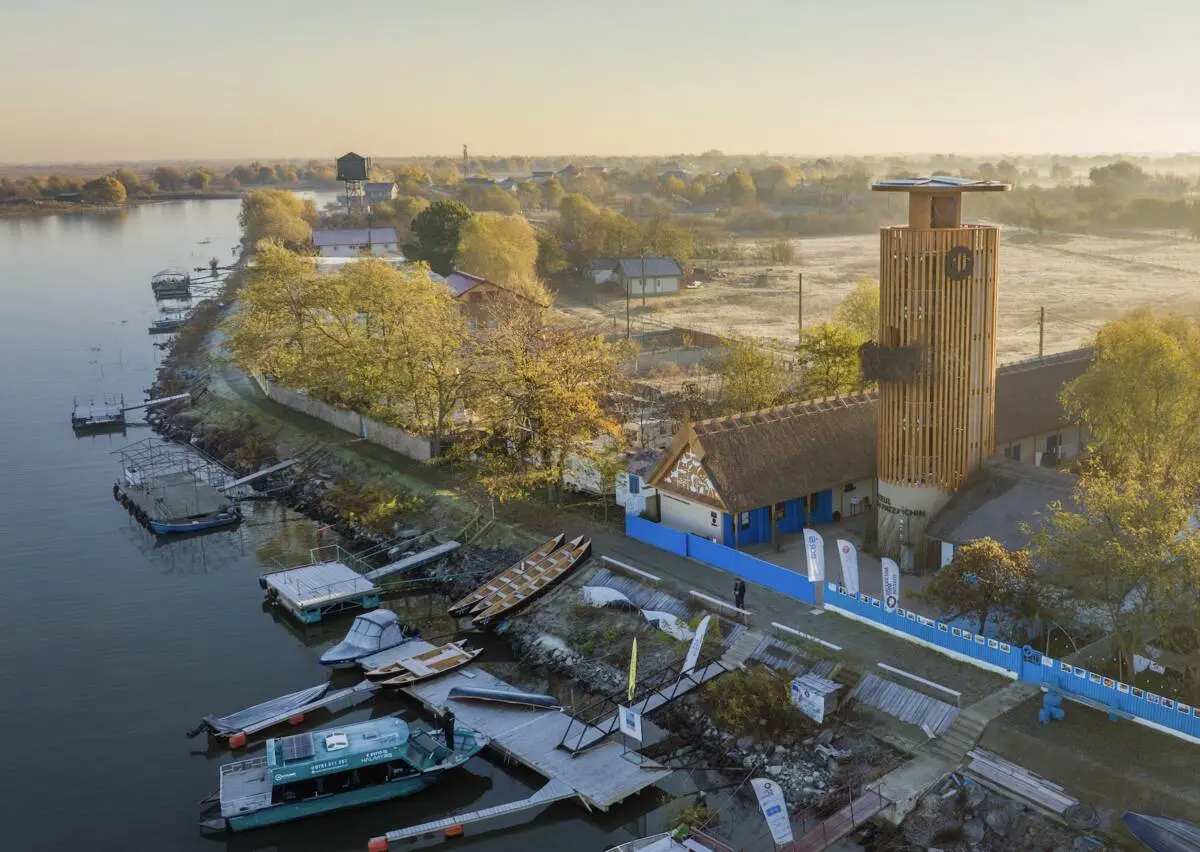
Museo Ivan Patzaichin presso Mila 23, Romania
Museo Ivan Patzaichin presso Mila 23, Romania - Foto © Mani Gutău, Ivan Patzaichin Mila 23 Association
Almost everything in the Danube Delta unfolds horizontally, at eye level: the village houses, the boats, the faces of the boatmen who guide them. Even the migratory birds perched on the bollards of Sulina, the port city at the mouth of the river. For centuries, it was a microcosm with inhabitants from every corner of Europe and the Middle East, leaving indelible traces of their presence in its buildings, collective memory, and language.
“City at eye level” is one of the key concepts of placemaking, a participatory urban planning approach conceived from the perspective of the people who live in cities and villages. And the Delta, with its inextricable interweaving of cultures and ecosystems, is an ideal terrain to practice it.
This is very clear to the organizers of PlaceCRAFT, an Interreg project that, along with its “twin” Danube Ruralscapes, grew out of the experience of DANUrB, an initiative dedicated to the revitalization of peripheral areas of the Danube basin. Territories affected by depopulation, emigration, and the progressive disappearance of common spaces, plunged into a sort of “rural apathy.” It’s no coincidence that they chose the mouth of the great river for their first study trip.
“From spaces to places”
Since Marc Augé, the distinction between lived-in places and mere spaces has become familiar even outside of academic circles.
The Danube certainly does not belong, per se, to this category; in many of its rural areas, however, demographic dynamics are progressively emptying places of their social function, especially in the more multicultural ones, which have ended up on the margins and often at the borders of nation states.
These are not abstract problems: when identity and livability weaken, the negative effects are amplified. Even tourists – often the only economic prospect – stop arriving.
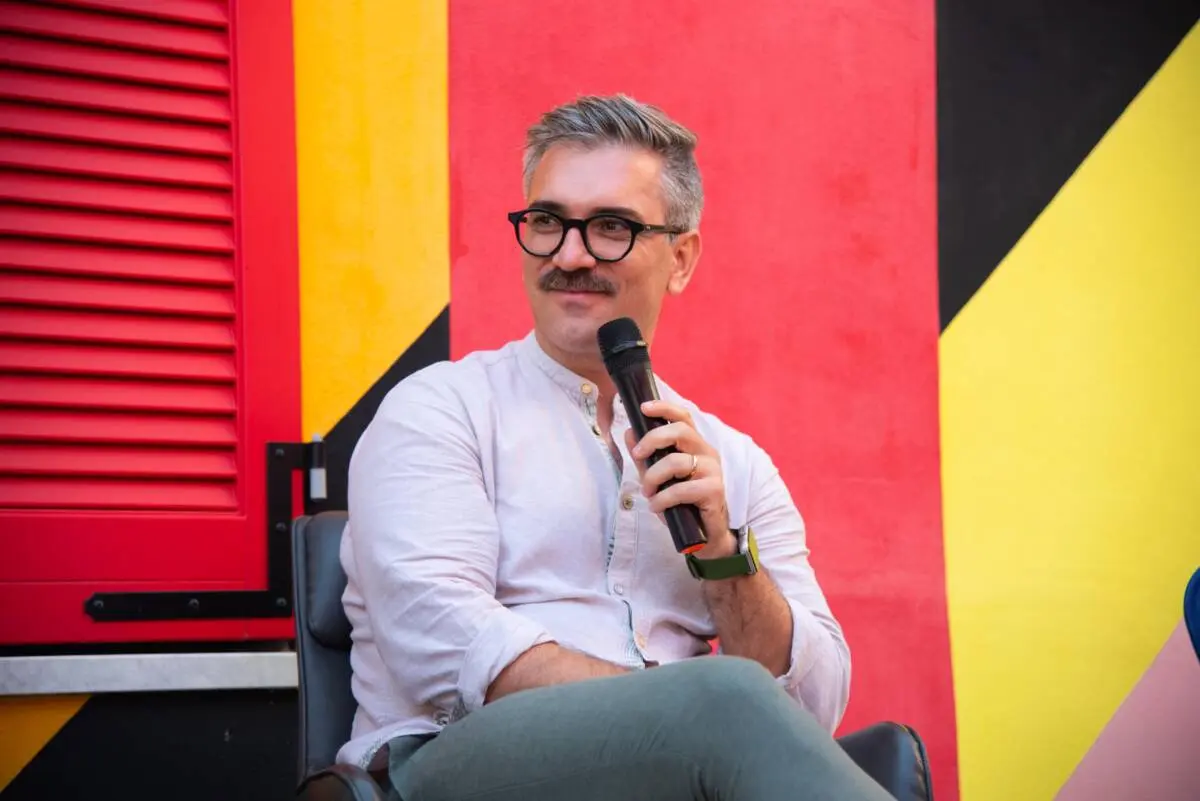
“Place-making aims to transform a ‘space’ into a ‘place’: a place where people want to be together and feel safe,” explains urban planner Laura Kovács of KÉK (Hungarian Contemporary Architecture Center), leader of PlaceCRAFT.
Running from 2025 to 2027 with a budget of €1.3 million, the project involves five countries in the Danube basin: Hungary, Croatia, Serbia, Romania, and Bulgaria.
“We help communities organize events and gatherings to revitalize places not only physically but also socially, through co-creation processes,” adds project manager Renáta Gallai.
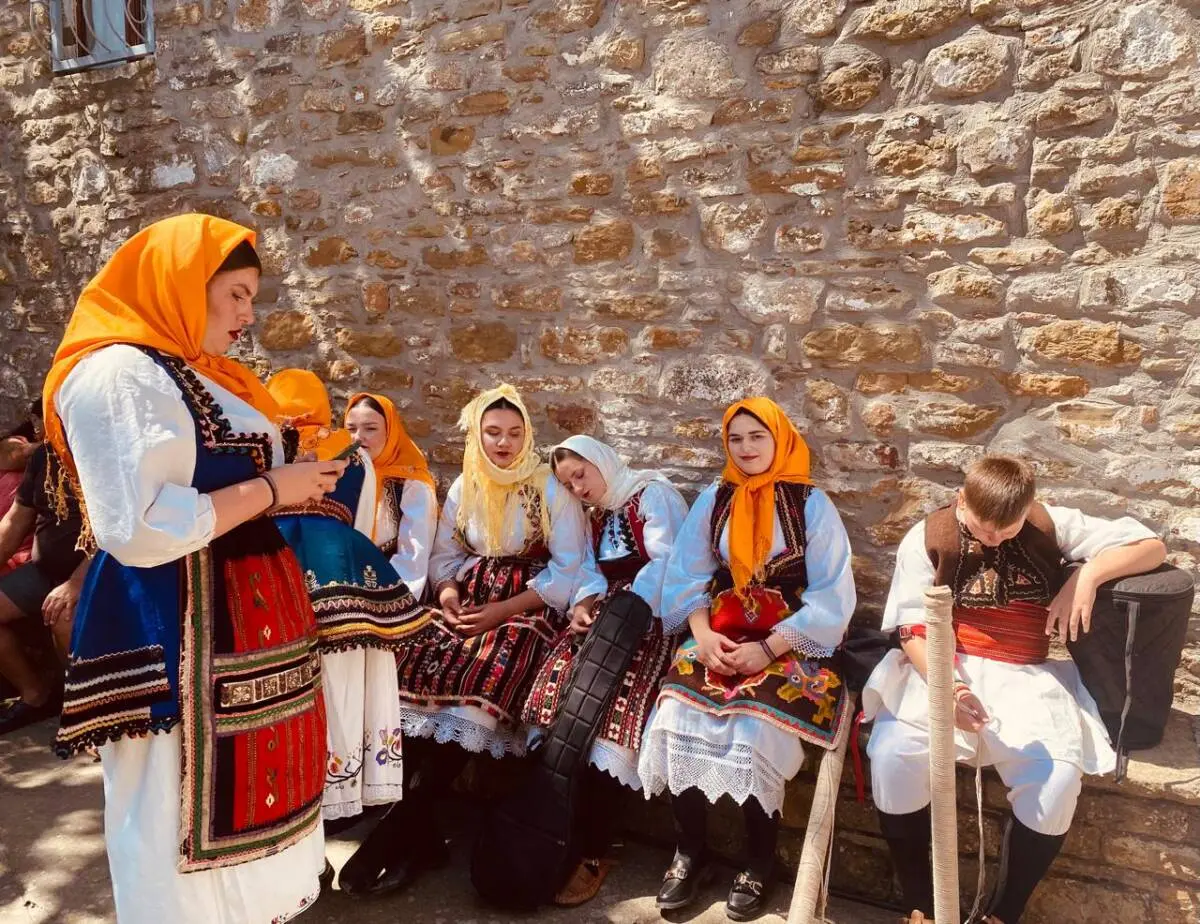
The idea is to rebuild belonging and enhance local skills to launch sustainable initiatives. To do this, it focuses primarily on cultural heritage, including intangible heritage such as dance, crafts, and traditions, seeking to overcome the artificiality of a simple re-enactment of the past by launching, among other initiatives, a series of artistic residencies. “This heritage is rarely reinterpreted in a contemporary way. But if we want truly sustainable tourism,” explains Kovács, “this is the key.”
Workshops and “tactical urbanism”
PlaceCRAFT is working on five pilot areas, one per country, but aims to have an impact on the entire Danube basin. To identify best practices to share, for example, 18 territorial contexts from seven countries were analyzed. At the end of the process, a “Rural Place-making Manual” will be produced for public bodies and development agencies in the Interreg Danube area. After the Delta, further study trips will take place in other sites outside the project: next on the list are Slovenia and Banja Luka in Bosnia and Herzegovina.
The planned actions include participatory workshops, cultural training courses, and “tactical urbanism” interventions to give back to the community and transform unused spaces. But, Kovács emphasizes, the key is the process: “What matters most is what people learn, the encounters, the awareness that change is possible.”
Architecture and identity
The Danube Delta, says Angelica Stan, architect and professor at Ion Mincu University in Bucharest, one of the organizers of the trip, can be read more as a “timescape” than a simple landscape: the villages have evolved following the liquid time of the river, adapting their form, materials, and lifestyle to the bends and floods. A balance challenged by modernization and the indiscriminate use of concrete. The challenge, Stan writes, is to reinterpret tradition in a contemporary way, reconciling sustainability and economic efficiency.
This is what they attempted to do in Mila 23, a predominantly Lipovan village that was the birthplace of Olympic champion Ivan Patzaichin, a symbol of the Delta. Here, Patzaichin and architect Teodor Frolu founded the association that has revived traditions such as boat building and local cuisine through ecotourism, also becoming a community hub. Its museum is recognizable from afar with its wooden tower, partly covered in reeds, tall enough to hold a boat upright: a contemporary landmark discreetly inserted into the landscape.
Experiences like these are inspiring other pilot sites. Near Ruse, Bulgaria, the Elias Canetti Society, Bulgarian project partner together with NTC BG Guide, works to counter the disappearance of traditional architecture, organizing workshops and initiatives that connect declining villages and cities.
In the Romanian Banat, Euroland Banat aims to save Austro-Hungarian industrial archaeology and the historic Oraviţa-Anina railway. “It’s a symbol of our multicultural history,” explains Andrei Szabo, noting the presence of an active Czech community and the contribution of Italian workers in building the line.
The theme of industrial transformation into social value finds a powerful example in Croatia, in the former settlement populated by workers from all over the former Yugoslavia that grew up around the old Šećerana sugar factory.
Memory, flavors, and the art of rebuilding trust
In the small “Sulina Veche” museum he personally set up, Gheorghe Comârzan has amassed countless objects donated or salvaged from the city’s abandoned houses, from navigational instruments and fishing nets to photographs and icons. Through these fragments and the stories that accompany them, Sulina recovers at least some of the memory of its cosmopolitan era.
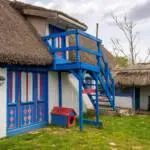
At the other end of the Delta, near Tulcea, a traditional fishing village has been recreated. “The Russian Lipovan houses are traditionally blue, the Ukrainian ones are green,” explains guide Stefania Sahanschi, pointing to the colorful houses with thatched roofs. Among these, Alex-Iulian Onofrei builds a lotca, the traditional Lipovan boat, an activity of which he is one of the last custodians.
For PlaceCRAFT, the “social heart” does not simply coincide with the recovery of the past, but with the creation of spaces where people can once again recognize themselves as a community.
In the Serbian Banat, explains Milana Mijatović of the Placemaking Western Balkans organization, this process takes place in six villages between the Tisza and the Danube, in a multicultural area where different nationalities and languages coexist. Here, the project will create a green classroom, a wooden amphitheater, an eco-garden open to the entire community, and an open-air market.
In Hungary, the work began with rebuilding trust, especially in centers with a strong multiethnic component like Lórév, a predominantly Serb community. The team conducted over thirty door-to-door interviews before launching a shared space, the “Placemaking Hub,” in a former pub in the village of Szigetújfalu.
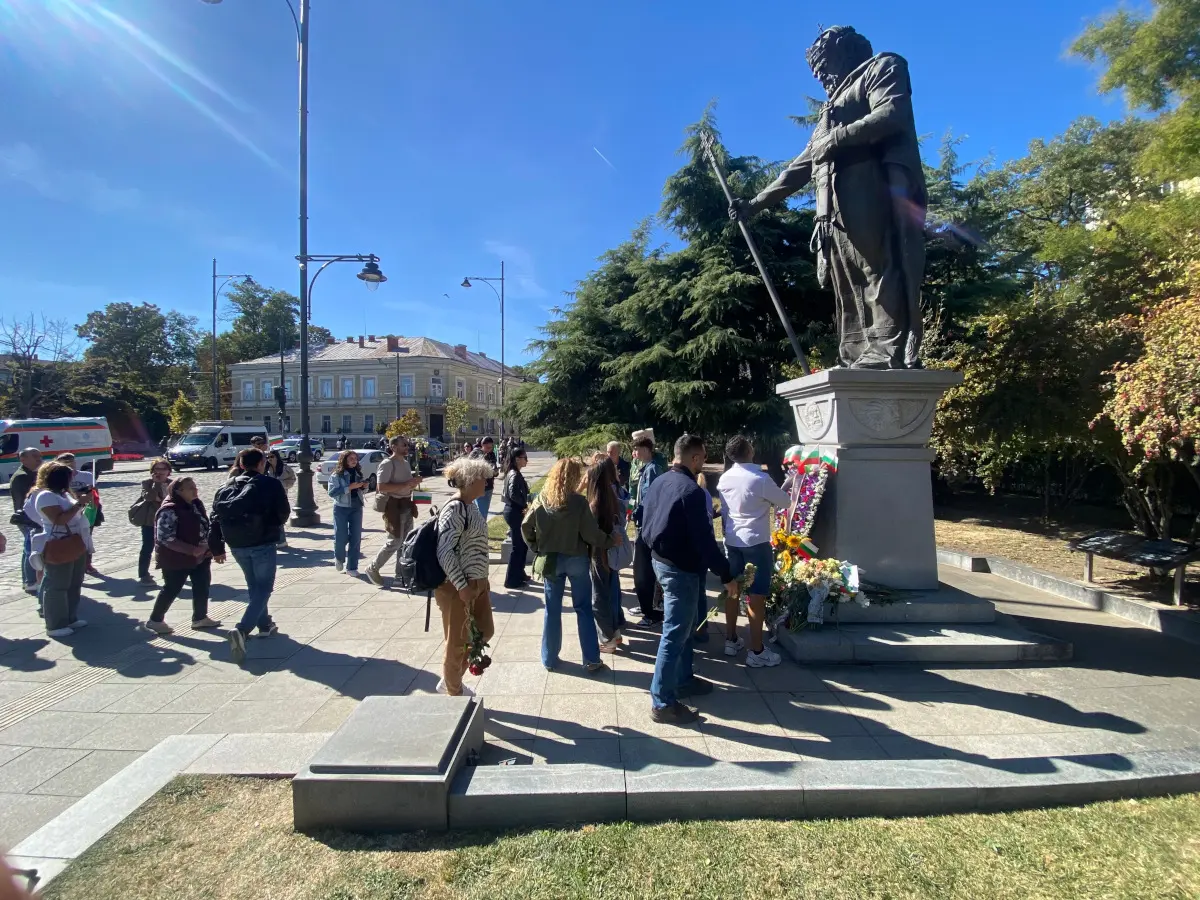
While the Baranja region in eastern Croatia is flourishing thanks to community-based food and wine tourism, which has already won numerous awards in the country, in Bulgaria, initiatives to engage young people are taking place physically: from the commemoration of the victims of a communist prison camp with a plaque to the rediscovery of an old Franco-Bulgarian recipe book in schools, a testament to the area’s cosmopolitan past.
A broader project
PlaceCRAFT is proceeding in parallel with Danube Ruralscapes, another project born from the legacy of DANUrB, a European cohesion policy initiative launched 10 years ago. “These are complementary approaches,” explains Bálint Kádár of the Department of Urban Planning and Design at the Budapest University of Technology and Economics lead partner and historical soul of DANUrB: “PlaceCRAFT works on territorial animation and participatory design, in Ruralscapes we focus on governance and tools to help Danube micro-regions self-manage”. The project focuses on the identity of rural landscapes and on planning that enhances the historical-cultural heritage, providing for example regional architecture guides to help communities renovate traditional houses. We started in 2017 with DANUrB Urban Brand,” explains Kádár, “with which we created a mapping of the territory: it’s a network that has now become almost a family. Then, with DANUrB+, we focused on small rural villages and more traditional regions.”
There followed a period in which the group was unable to obtain funding, until the launch of the current projects. The long history of this network allows Kádár to highlight the virtues and limitations of this type of initiative: “Too short project cycles risk producing ghost projects incapable of leaving a lasting impact. Our challenge, therefore, relies heavily on continuity and trust. Our current projects are based on the same legacy, and are united by a platform that has remained unchanged.”
During the study trip, Kádár also visited Izmail, on the Ukrainian side of the Danube, whose university is partner of Ruralscapes but unable to fully participate due to the war.
For Kádár, the meaning of it all lies precisely here: connecting territories that history has kept, or still keeps, forcibly separated. “The Danube has never been a barrier: populations have always mixed, trade and cultures have always circulated. Today we are trying to build on this legacy, connecting villages and regions that are learning to collaborate.”
Found an error in this article? Please contact our editorial team at redazione@balcanicaucaso.org.
This article was produced as part of the EuSEE project, co-funded by the European Union. However, the views and opinions expressed are solely those of the author(s) and do not necessarily reflect those of the granting authority, and the European Union cannot be held responsible for them.
Tag: Coesione UE | Danubio | EuSEE
Featured articles
 Montenegro Pride 2026
 Political deadlock