Serbia’s U-turn: Our correspondent Massimo Moratti can stay in Belgrade
Serbian authorities today revoked the order issued on 4 September for our correspondent in Belgrade, Massimo Moratti, to leave the country within 15 days for security reasons. For Moratti, this is “the end of a nightmare”
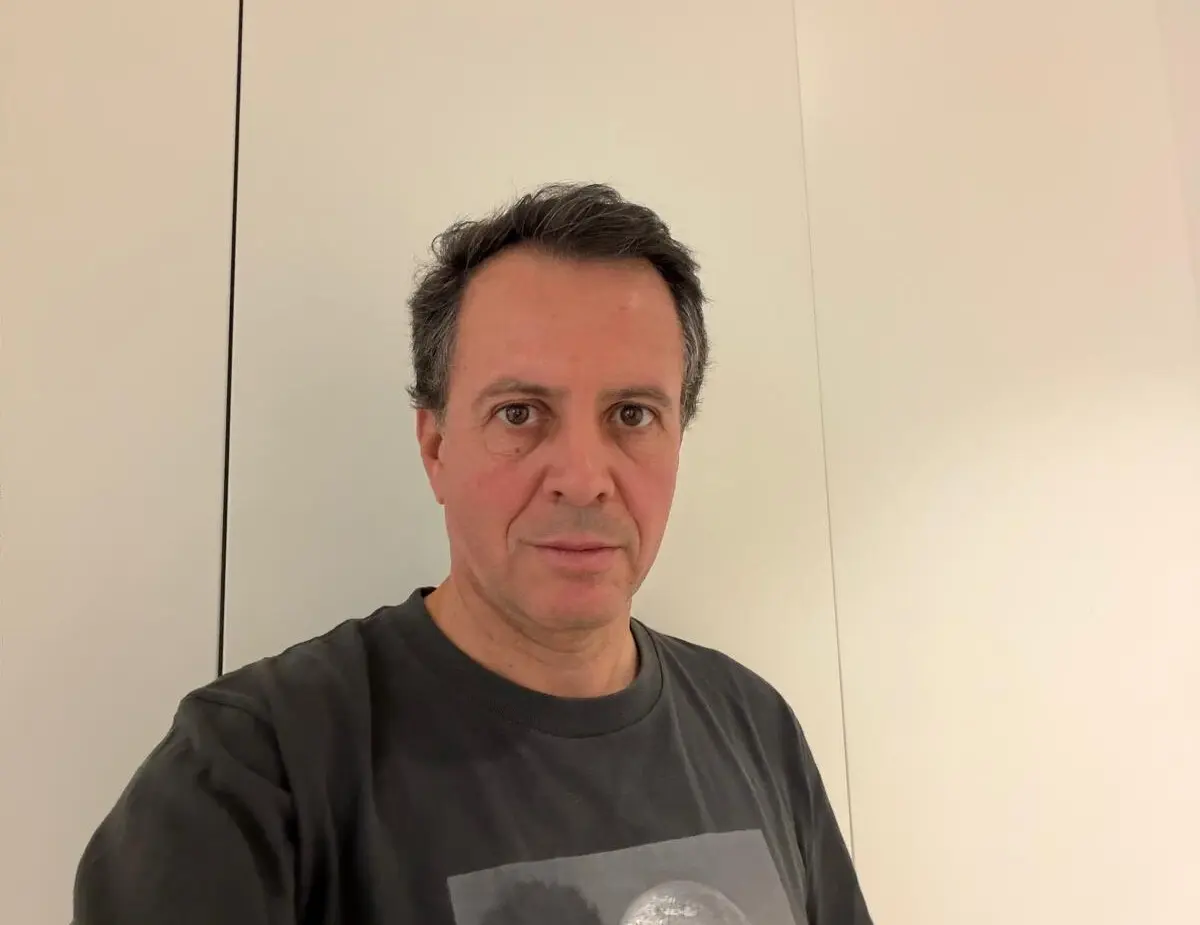
Massimo Moratti. Photo: private archive
Massimo Moratti. Photo: private archive
Serbian authorities today, Tuesday, 22 September, revoked the order issued on 4 September requiring our correspondent in Belgrade, Massimo Moratti, to leave the country within 15 days and imposing a one-year entry ban, citing security concerns. There are now no longer any obstacles to obtaining a new residence permit.
“This is the end of a nightmare”, commented Massimo Moratti. “My family and I felt a great relief and are deeply grateful to everyone who worked hard to resolve this matter”.
Read also: Serbia expels Massimo Moratti, our correspondent in Belgrade
On 4 September, Serbian authorities denied the renewal of our colleague Massimo Moratti’s residence permit, presenting him with a deportation order citing “unacceptable risks to the country’ security”. Serbian authorities have not provided further explanations regarding the reasons for their decision.
OBCT collaborator since 2005, in Belgrade since 2022
An Italian citizen and experienced human rights defender, Moratti has worked in the Balkan region for over twenty years and has been living permanently in Serbia since 2022, when he moved to Belgrade with his partner, who came to the country for professional reasons.
Since 2005, Moratti has been working with OBCT as a correspondent, first from Sarajevo and then from Belgrade. Between 2011 and 2018, he worked in Serbia on various EU projects supporting displaced persons, refugees and potential asylum seekers, before moving to London to serve as Deputy Director of Amnesty International’s European Regional Office.
After returning to Belgrade with his family, he joined OBCT’s media freedom working group, playing a key role in shaping media freedom advocacy and research initiatives in the Western Balkans, contributing to the European Media Freedom Rapid Response (MFRR) consortium and the Transnational Advocacy for Freedom of Information (ATLIB) project, supported by the EU and the Italian Ministry of Foreign Affairs, respectively.
Read all of Massimo Moratti’s articles
The intervention of the European Commission
The European Commission also expressed its opinion on the Moratti case on 21 September.
“We express concern that a researcher from an Italian media freedom organisation has had his application for a residence permit rejected, after having legally resided in Serbia since 2022, and has been ordered to leave the country on the grounds of an alleged ‘unacceptable risk to national security’, without any further clarification on the reasons behind this decision”.
“This is how a spokesperson for Ursula von der Leyen’s cabinet communicated to OBCT the EU executive’s assessment of the situation that emerged on 18 September in Serbia.
On the same day, Serbia had granted Massimo Moratti a 15-day extension, which was followed today by the complete revocation of the decision.
Found an error in this article? Please contact our editorial team at redazione@balcanicaucaso.org.
Tag:
Featured articles
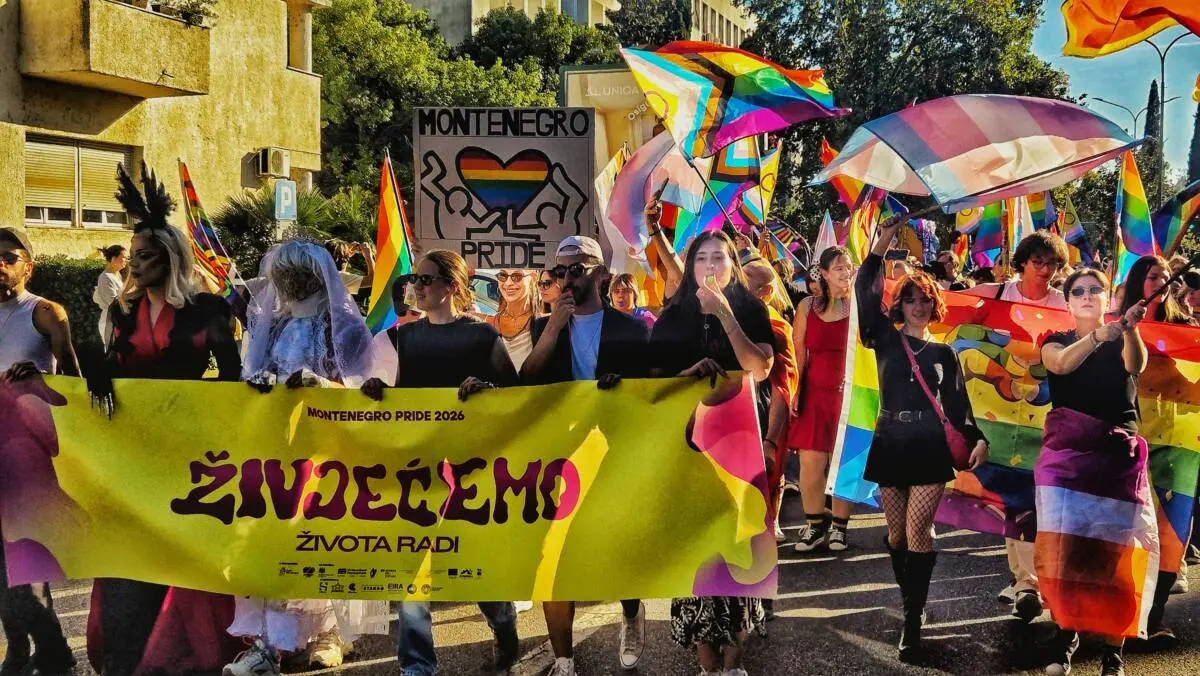 Montenegro Pride 2026
 Political deadlock