Romania, new support for innovative startups
The Romanian investment fund Nucleo Ventures, recently created thanks to EU funding through cohesion policy, will provide venture capital support for tech startups ranging from 150,000 to 1.4 million euros. An interview with Valentin Filip, president of the new fund

© Vlad Ispas/Shutterstock
© Vlad Ispas/Shutterstock
(Originally published by our project partner EuSEE Hotnews)
The investment fund Fortech Ventures and the Northwest Regional Development Agency (ADR) officially launched the Nucleo fund endowed with capital from the Northwest Regional Program 2021–2027 [co-financed by EU cohesion policy, ndr]. Nucleo Ventures is the new public identity of Fortech Ventures and has just launched its investment campaign in companies.
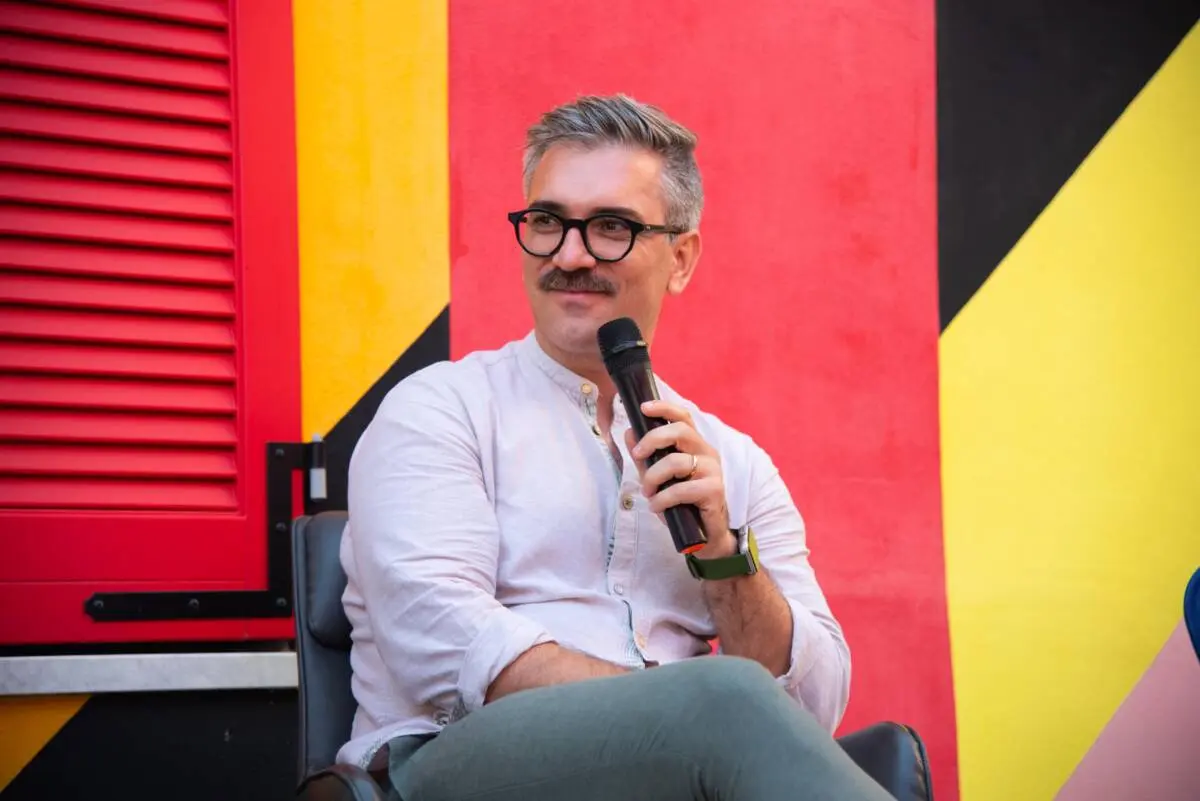
StartupCafe met Valentin Filip, managing partner of Nucleo Ventures, on 24 June at Techsylvania 2026, a major tech startup event held in Cluj. The head of the new venture capital fund provided useful insights regarding the financing opportunities offered by Nucleo Ventures.
In terms of location, what startups are you looking to invest in?
We invest in the Northwest Region, in startups that will conduct business here. They can be based in the region or come from anywhere in the European Union and beyond, as long as they establish operations here through a subsidiary or a branch office.
In other words, we can invest in a startup from Galați that sets up a branch in the Northwest Region and generates economic activity here, so it would not be a branch for a branch’s sake. Essentially, the branch hires people, starts and runs operations here. We can support the company’s business activity in the Northwest Region and, by extension, the growth of the company.
What is the amount of funding you will provide?
The initial investment will range between 150,000 and 1.4 million euros. On average, we will grant 650,000 euros per startup and then make follow-on investments.
So, are you an early-stage fund in the pre-seed or seed investment space?
Exactly. Over the past two years, we have noticed a growing need on the market and, given our capabilities, we have managed to launch an early-stage fund. There is an acute need for capital in this sector. Most of the existing funds have moved on to the next stage. Almost no one invests in the early stage anymore. That is why we decided to stay in this segment and leverage the experience we have gained: help startups using the expertise acquired.
What percentage of equity do you take in the startups you invest in?
The target is somewhere between 5% and 15%, depending on the company’s maturity and the amount of funding we provide.
In terms of business verticals, which sectors do you focus on?
Health-tech, finance, manufacturing, energy and defence. We are open to most industries, as long as we can see a solution that addresses a specific vertical by focusing on a particular sector and operates in the B2B space (products or services aimed at other companies). This is an area we understand and can support.
Our interest is in supporting solutions that have an impact on the real economy and across various fields and industries. The focus is on solutions that are integrated into something larger, not just a standalone software product or a website.
I noticed that you also have a grant component, totalling 1.7 million euro, which is not very common for investment funds. Is this a no-equity grant?
Yes. The Northwest RDA, the initiator of the public funds, wanted to support the creation of new companies as well, not just the activity of existing ones. So, the agency lobbied the European Union and obtained approval to include a grant component in the funds it provides. This is something new, although there were similar initiatives for other regional funds, but implementation was a hurdle in the past.
We found a solution with our partners in the Netherlands, who manage the fund’s structure. Essentially, we can invest starting from the stage of business idea: to support the development of the MVP (minimum viable product) or to achieve a non-revenue-generating objective, such as a medical device license, which is not a revenue generator in itself, but serves as an enabler for the company’s growth. Through this approach, we help shape or advance startups until they become investable.
At the same time, we reduce the risk for our private investors by ensuring we have a vetted pipeline, one in which we have observed how the founders operate. As a result, we have greater confidence in investing private equity capital in that company.
How do you select startups for these grants?
A unique feature of this fund is the intention to make capital available when needed and move away from the call for proposals model.
We are the initiators of this new approach, we are piloting it. Business founders will come to us spontaneously, just as they do when they already have a company up and running. We will evaluate each opportunity when they approach us. Our focus is on identifying market potential and a sufficiently good understanding of the problem, so that the startup is worth supporting and can develop an MVP to address a clear need.
So, there will be a continuous pipeline of entrepreneurs, and you will evaluate them as they submit their applications?
Yes. The grant component does not come on its own. It comes in the form of combined capital. The funding package will include both a grant and an equity investment. We can provide the equity alongside the grant or make it contingent on certain milestones that the startup founder must achieve.
How much can an entrepreneur typically receive in grant money?
The funding we are aiming at ranges from 50,000 to 150,000 euros for grants.
In addition to funding, do you also provide mentorship or other support services similar to those entrepreneurs receive in accelerators or business incubators?
We strongly believe in supporting people who know what they are doing and in collaborating with them. We need to lift all boats, rather than offer just one alternative. That is why we should help all acceleration programs in Romania and beyond, so that both we and the startups can benefit from their contributions.
We have been collaborating with LevelUp in Cluj, Make it in Oradea, Techcelerator, Rubik Hub, and many other organisations. Essentially, by aiding the business incubators, we offer founders the opportunity to receive mentorship and guidance. Ultimately, we provide the entrepreneurs with access to funding and we support the organisations’ end results.
Are you still looking for investors or partners to contribute to your fund?
We have just completed our first closing at 27 million euros. Our minimum target is 34 million euros. We could go up to 47 million euros for the total fund size, depending on the type of investors we can attract to join us. We are also in talks with institutional investors. Moving forward, we are open to LPs.
The Northwest Regional Development Agency contributed 23.5 million euros. How much have you put into this investment fund?
We are adding nearly 4 million euros on top of that. This includes a contribution from the management team. There are also private investors who have already joined, including entrepreneurs from IT, real estate and energy sectors.
We want to keep the group relatively small, with the aim of benefiting from the experience the investors bring and fostering connections between them and the portfolio.
Do you have a message for the Romanian entrepreneurs and startup teams on how to reach out to you?
My advice is to just get started and be open to everything going on around. That awareness will provide them with ideas and opportunities they can turn into products and solutions for their potential customers. We go through life focused on what we have to do, but if we are outward-looking, we will notice many opportunities.
We have a new website, Nucleo.vc, where it is very easy to see what we do, what kind of startups we support and how to contact us so we can initiate a dialogue.
Found an error in this article? Please contact our editorial team at redazione@balcanicaucaso.org.
This article was produced as part of the EuSEE project, co-funded by the European Union. However, the views and opinions expressed are solely those of the author(s) and do not necessarily reflect those of the granting authority, and the European Union cannot be held responsible for them.
Tag: Coesione UE | EuSEE
Featured articles
 Montenegro Pride 2026
 Political deadlock