
Programming the EU Cohesion Policy: Exchange Programme on Chapter 22 in Serbia and in Montenegro
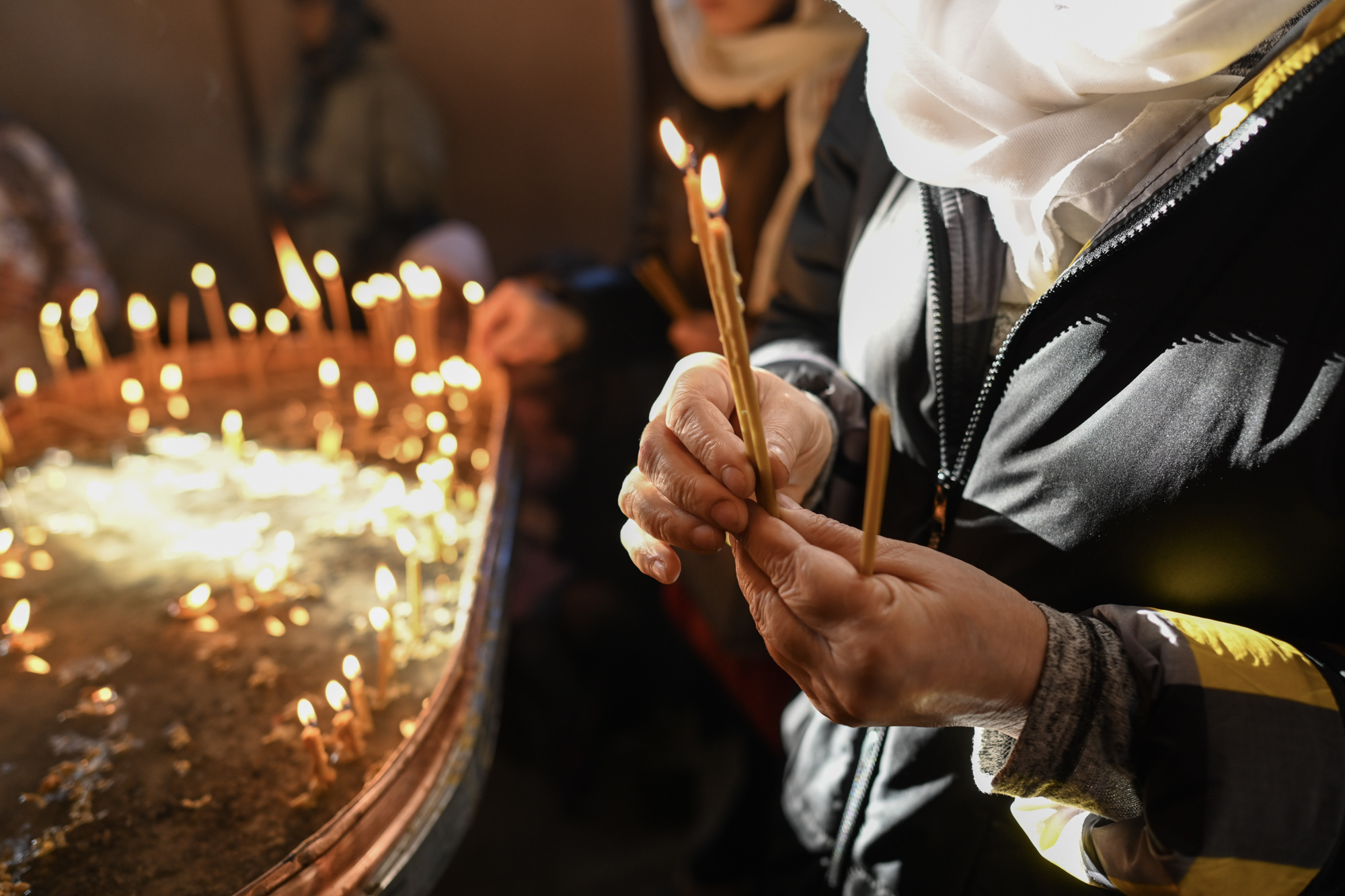
Tbilisi’s Armenian Community Celebrates Christmas
Almost two weeks after Christmas was celebrated elsewhere in the world, and a day before Georgia celebrated Orthodox Christmas, Tbilisi’s ethnic Armenian community celebrated its own on 6 January this year.
Programming the EU Cohesion Policy: Exchange Programme on Chapter 22 in Serbia and in Montenegro
The webinar aims to discuss the role played by regional policy in the context of EU integration of the Western Balkans. It will also provide an overview of the work done in strengthening the technical and administrative capacities in Serbia and in Montenegro.
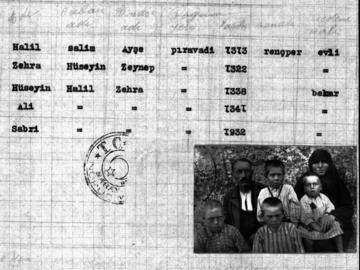
Balkan migrants in Turkey: Naturalization, identifications, and associations
In the new episode of the podcast The Southeast passage, Elif Becan discusses the integration of Muslim migrants from the Balkans into the Turkish Republic during the interwar period
Demining in Croatia in figures
The 1990s conflict in Croatia continues to bring dramatic consequences. In fact, every year the mines that have not yet been cleared cause new victims. Huge funds from EU cohesion policy are also invested to remove them
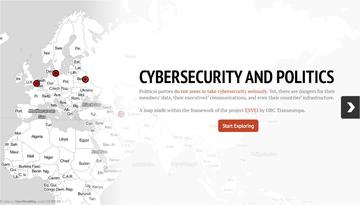
Cybersecurity and politics
Political parties do not seem to take cybersecurity seriously. Yet, there are dangers for their members’ data, their executives’ communications, and even their countries’ infrastructure. A map made within the framework of the project ESVEI by OBC Transeuropa
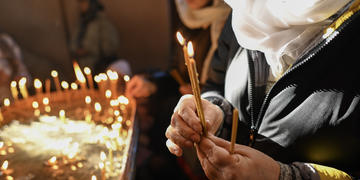 Tbilisi’s Armenian Community Celebrates Christmas
Almost two weeks after Christmas was celebrated elsewhere in the world, and a day before Georgia celebrated Orthodox Christmas, Tbilisi’s ethnic Armenian community celebrated its own on 6 January this year.
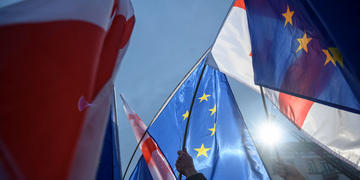 Georgia towards the EU
On December 14, Georgia obtained the status of EU candidate country. There was a celebration in the Georgian capital: on the stage in the central square of Tbilisi were the highest authorities of the Georgian Dream government. Images and texts by Onnik James Krikorian.
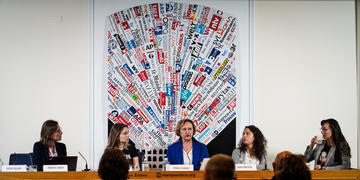 International conference Media-Democracy nexus in the European space
On 17 October 2023, OBC Transeuropa, as part of the Media Freedom Rapid Response, organised an international conference to discuss the delicate intersection between democracy, rule of law and press freedom
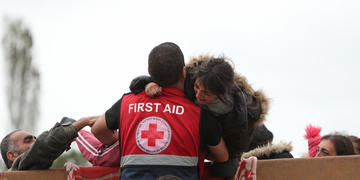 Fleeing from Nagorno Karabakh
On September 19, Azerbaijan launched a military attack in Nagorno-Karabakh, changing the fate of thousands of people in just a few hours. Over 80 thousand people have already left the region. From our correspondent in Yerevan, Armine Avetisyan, some shots from one of the registration centre to enter Armenia
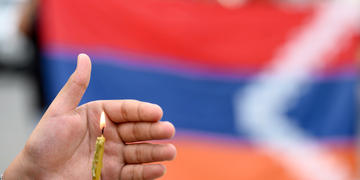 Solidarity for the 32nd anniversary of the Nagorno-Karabakh’s Independence
Nagorno Karabakh proclamation Anniversary rallies held worldwide, including Tbilisi
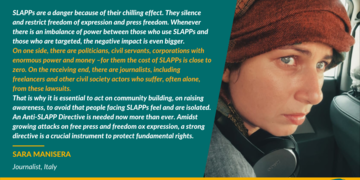 CASE Day of Action - an initiative against SLAPPs
On July 10 the Coalition Against SLAPPs in Europe (CASE), of which OBCT is a member, promoted a Day of Action dedicated to the campaign against SLAPPs (Strategic Lawsuits Against Public Participation) targeting activists, human rights defenders, and journalists.
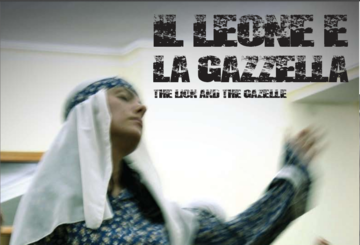
Nor Sunnies nor Shiites, heterodox Muslims of nomadic origins and mystical traditions: Turkish Alevis are estimated at around 10-15 millions against a total population of 70 millions. Enthusiastic supporters of Atatürk laicism, they were always seen with suspicion by the central authorities and the majority of the population. "The Lion and the Gazelle", a documentary film by OBC
The unique experience of a group of architects and sculptors in 1960s and 1970s Yugoslavia, introducing new ways to remember World War II and the victory upon Nazism and Fascism. The curse of history at the beginning of the 90s, with the nationalist forces using those same memories to manipulate the different national communities and lead the country into war. A journey into European memory of the 20th century, the century that started and ended in Sarajevo
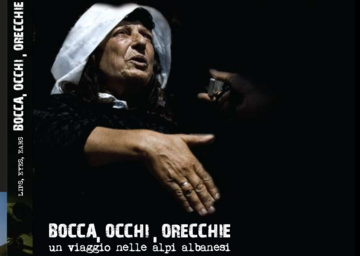
Michael is on the tracks of the Indo-European language, Gianni is an Arbëresh and teaches Albanian at the University of Calabria, Monica was the first researcher in Italy to obtain a PhD in Albanology. A group of linguists travelling into the majestic beauty of Albanian mountains in a quest for lost words and languages. “Lips, eyes, ears” traces a portrait of an unusual job, introducing a special perspective on today's Albania, its culture, and its landscape
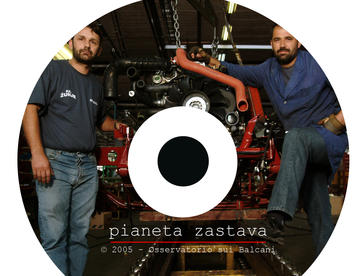
It was called Crvena Zastava, Red Flag, and it was the biggest car producer in the Balkans. Following the fall of Yugoslavia, it entered a devastating crisis, reaching its peak during the Nato bombings of 1999. While the factory lost its workers, the city of Kragujevac became one of the main destination for Kosovo refugees. A story on the violent transition from socialism to the market economy. Zastava Planet has been produced thanks to funding from the Autonomous Province of Trento
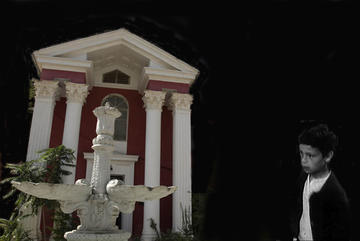
Artan Puto, born in 1969, is a university professor; however, people in the streets still recognize him as the star ofTomka and his friends, one of the most popular children’s movies of Albanian cinema. An unusual point of view on today’s Albania and on the changes which took place in this country. A documentary film by Micol Cossali and Davide Sighele, now available in streaming
Ten years after the massacre of July 1995, this is the story of the town that has become a symbol of ethnic cleansing and racist violence in Europe. The documentary brings the viewer from Tuzla - where women fight for the investigation of their loved ones' disappearance, through Potočari - former headquarter of international peace forces, and all the way to Srebrenica. Going back and forth between present times, history, and memory, parallel narratives unfold, surrounded by a sense of alienation, in the heart of a town where the conflict does not yet seem to have found an end. “After Srebrenica” was filmed thanks to the support of the Autonomous Province of Trento.
