North Macedonia: 35 years after independence, the EU still a long way off
North Macedonia is celebrating 35 years of independence, but has made no progress on its main strategic goal: EU membership. The VMRO government is now demanding guarantees before making concessions to neighboring Bulgaria’s demands
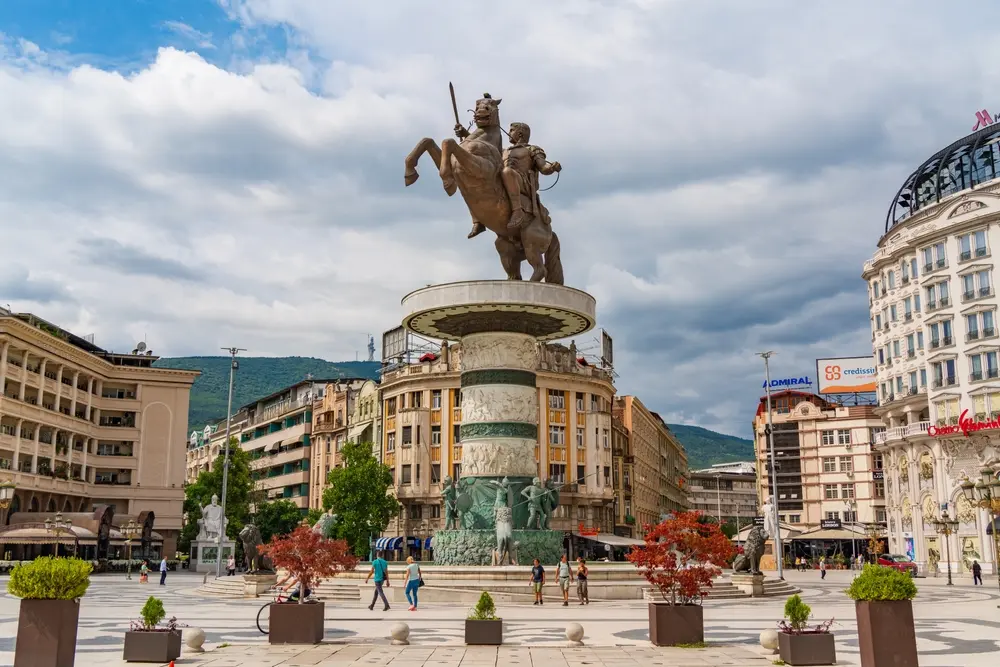
Skopje, Macedonia del Nord © Mo Wu/Shutterstock
Skopje, North Macedonia © Mo Wu/Shutterstock
As North Macedonia marks its 35th anniversary of independence, the path to full membership in the European Union remains the most important strategic goal, but also the biggest political challenge.
Ahead of new diplomatic processes in Brussels, the focus is once again on the obligations that North Macedonia needs to fulfill in order to continue its European integration path.
The central point is the commitments undertaken with the conclusions of July 2022 – the constitutional amendments that have not yet been adopted. The need for constitutional amendments arose from the compromise reached in 2022 by the government lead from now opposition party SDSM, to overcome the dispute with Bulgaria, which in 2020 blocked the start of negotiations.
With that agreement, North Macedonia committed to including the Bulgarian community in the Preamble of the Constitution, as a prerequisite for holding the second intergovernmental conference. On the other hand, this compromise preserved the inclusion of the Macedonian language among the official EU languages, despite Bulgaria’s opposition.
The current government, led by VMRO DPMNE of Hristijan Mickoski, has repeatedly stated that there will be no constitutional amendments (to include the Bulgarians) until solid and formal guarantees are received from the European Union.
Mickoski explains the political psychology and current positions with the negative experience with the Prespa Agreement in 2018, when, due to the blockade of EU membership by Greece, the adjective Northern was added to the constitutional name of the Republic of Macedonia.
He proposes that the constitutional amendments for the Bulgarians be voted on in Parliament, but that they come into force only after North Macedonia completes its path and becomes a full member of the EU.
“Citizens are tired of national concessions without guarantees for fulfilling the ultimate goal and of unfulfilled promises. There will be no constitutional amendments with bullying, a sustainable solution is needed. I advise all MPs not to support changes without receiving guarantees. While I am Prime Minister, such betrayals and capitulations will not happen,” Mickoski said in one of his statements on this topic.
On the other hand, the opposition SDSM, which voted for constitutional amendments in 2018 in accordance with the Prespa Agreement, has the opposite view that the inclusion of Bulgarians in the Constitution does not pose any threat to the Macedonian national identity.
In August 2025, it called on the government to adopt a joint resolution in the Parliament, which would emphasize the Macedonian red lines. That is, if a new veto from Bulgaria occurs on an unprincipled basis, negotiations with the EU should be immediately suspended, but this proposal was not accepted by Mickoski.
“In conditions where there is no better proposal than the French one, we must take a step forward with constitutional amendments,” said Venko Filipce, leader of SDSM.
Filipce also publicly asked Sofia to commit to ending the blockades, but believes that this will be tested only after North Macedonia fulfills its part of the task.
The French proposal is an official document prepared by France in June 2022 (during its EU presidency), which offered a compromise solution to unblock Macedonia’s European integration and remove the Bulgarian veto. This proposal was accepted by the Macedonian Parliament and the SDSM government in July 2022, after which it became the official European Union Negotiating Framework for North Macedonia.
The French proposal calls for constitutional amendments to include Bulgarians, two phases of opening negotiations, and the Macedonian language being listed in EU documents without any additions after Bulgaria submitted a unilateral declaration stating that it does not recognize the Macedonian language, but this declaration is considered to have only internal Bulgarian use and does not bind the European Union.
According to the prepared draft amendments, in addition to the Bulgarians, several other peoples and communities should be included in the Macedonian Constitution, namely the Croatian, Montenegrin, Slovenian, Jewish and Egyptian people.
The official position of Brussels is unambiguous and is based on the conclusions of July 2022, that the Second Intergovernmental Conference (the official opening of the chapters) will take place “as soon as North Macedonia implements its commitment to complete the constitutional amendments”
The EU emphasizes that this is not a bilateral request by Bulgaria, but an obligation to the entire European Union, since the French proposal has become part of the official negotiating framework.
The Center for European Strategies Eurothink from Skopje, in its research “Perceptions and attitudes of citizens of the Republic of North Macedonia on the socio-political situation in the country, information and European integration processes” from June 2026, identifies a paradox in the attitudes of citizens, as support for membership is growing, but at the same time dissatisfaction with the way the EU treats North Macedonia is also increasing.
Support for EU membership has increased from 53% in 2023 to 58% in 2026. The percentage of citizens who consider the EU to be the best development alternative has increased from 61% to 66%. Expectations for membership in the next five years have increased from 10% to 23%, indicating a partial return to optimism.
However, distrust of the EU continues, the perception that the EU behaves unfairly, arrogantly and blackmailing has increased from 56% to 60%. Only 18% believe that the Union’s relationship is fair and correct, which is a further decrease compared to 2023, the survey concludes.
Found an error in this article? Please contact our editorial team at redazione@balcanicaucaso.org.
Tag:
Featured articles
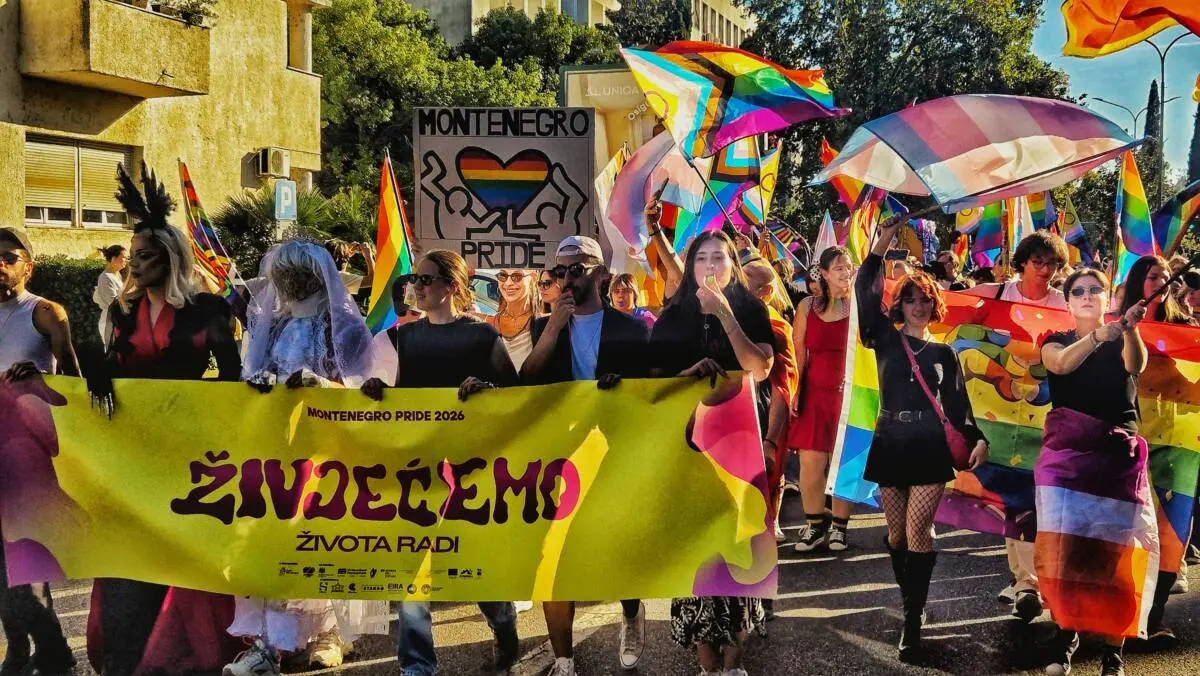 Montenegro Pride 2026
 Political deadlock