Albania, the Youth Lift Stones
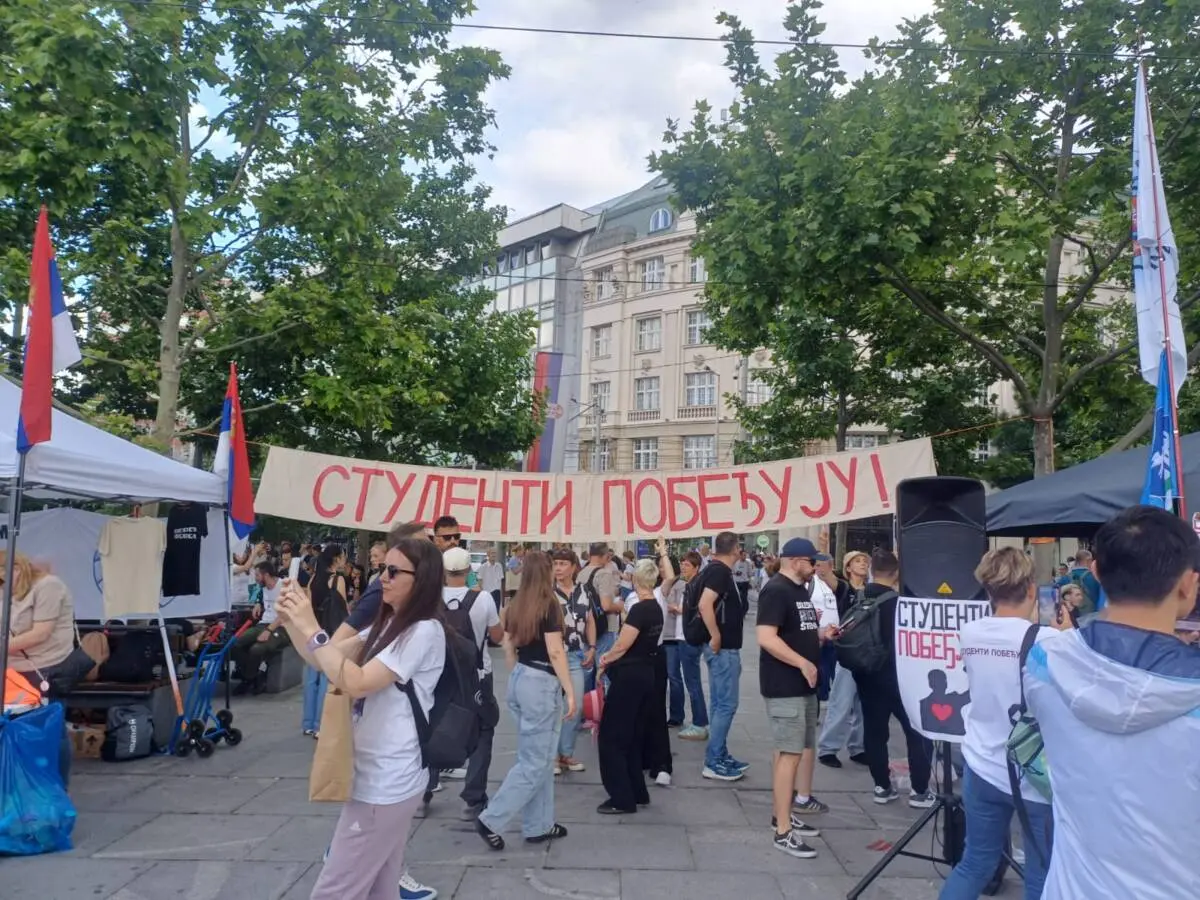
After more than four months of peaceful demonstrations, Albanian student protests erupted into violence last week. Faced with rising youth discontent, Prime Minister Edi Rama refuses to resign, and the country is on the brink of a crisis with uncertain outcomes. A comment
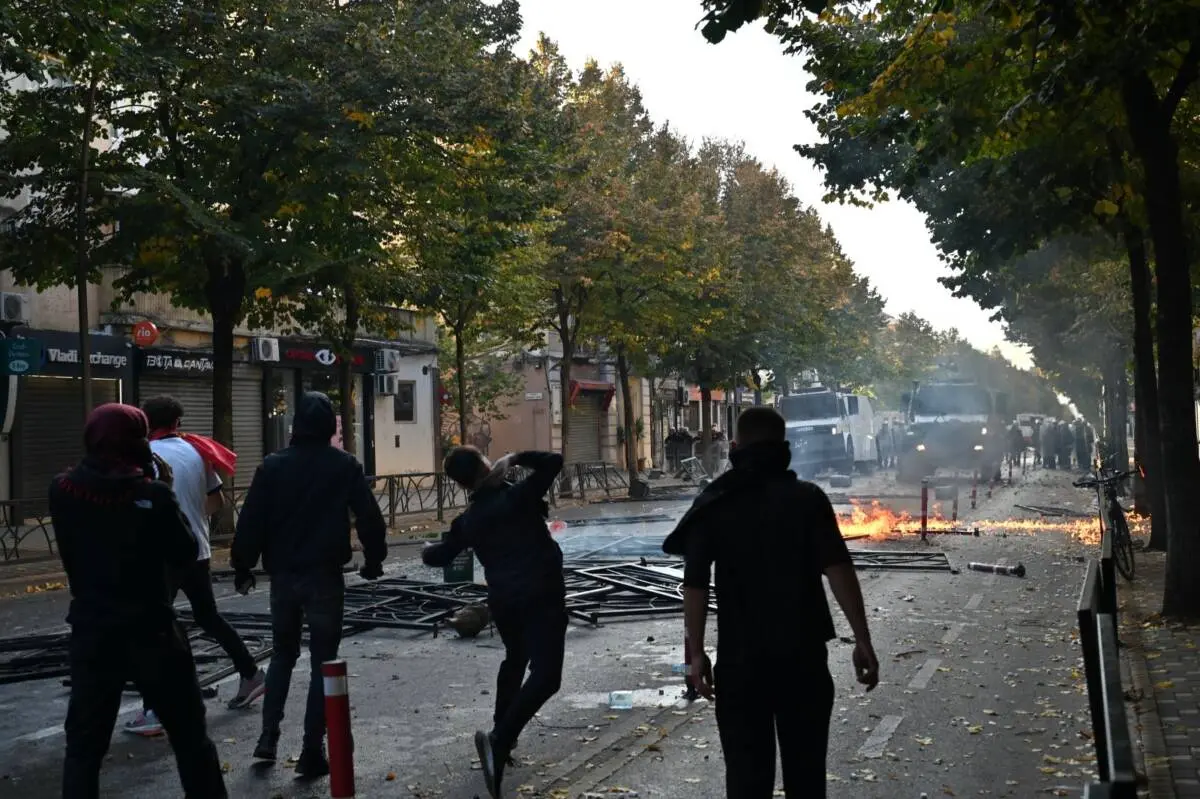
Proteste a Tirana – foto di Erisa Kryeziu
Protests in Tirana - foto di Erisa Kryeziu
140 days.
That is how long peaceful protesters hit the streets in Tirana, Albania, to vent their frustration at Prime Minister Edi Rama’s 13-year rule. The spark was his opaque deal with Jared Kushner and others to build luxury resorts in a protected coastal zone. The kindling was four terms of arrogance, cronyism and corruption that let an elite clique get rich while citizens trudged behind.
Then, last week, the students arrived when the semester began. Their anger over crumbling universities and a soaring cost of living poured fuel in the streets. They stormed ministries and government offices, smashed sign and burned stores. The police answered with batons, tear gas and water cannons. Hundreds have been detained.
Anger and disappointment
It is simple to say these are clashes, violent protests and rampaging youth – all of which is on one level true. It is more accurate to say these are furious young people and others who got exhausted and offended at not being heard.
“In what form can I protest so that my words are heard?”, a young woman asked on a nationally televised show, capturing the wider mood.
“People are tired of being mocked and scorned by those in power”, another young protester told the BBC.
Rama praises the right to free assembly as Albania marches as a frontrunner toward the European Union. His words and actions over the first 140 days of the protets tell a darker tale. He branded peaceful protesters pro-Greek, pro-Serb, pro-Russian and pro-Iranian. He blamed foreign forces for a hybrid war. In an ironic twist for a politician who mastered social media, he blamed the algorithms of manipulation and hate. What he did not do was listen.
In fact, Rama has always shown disdain for the people he leads. That is why only star international architects can redesign his cities – Albanian architects not allowed – and his art exhibitions appear not in Tirana, but in Paris, London and Berlin.
When a Financial Times reporter asked about Rama’s critics a few weeks into the peaceful protests, he responded: “I tell them: F**k you”.
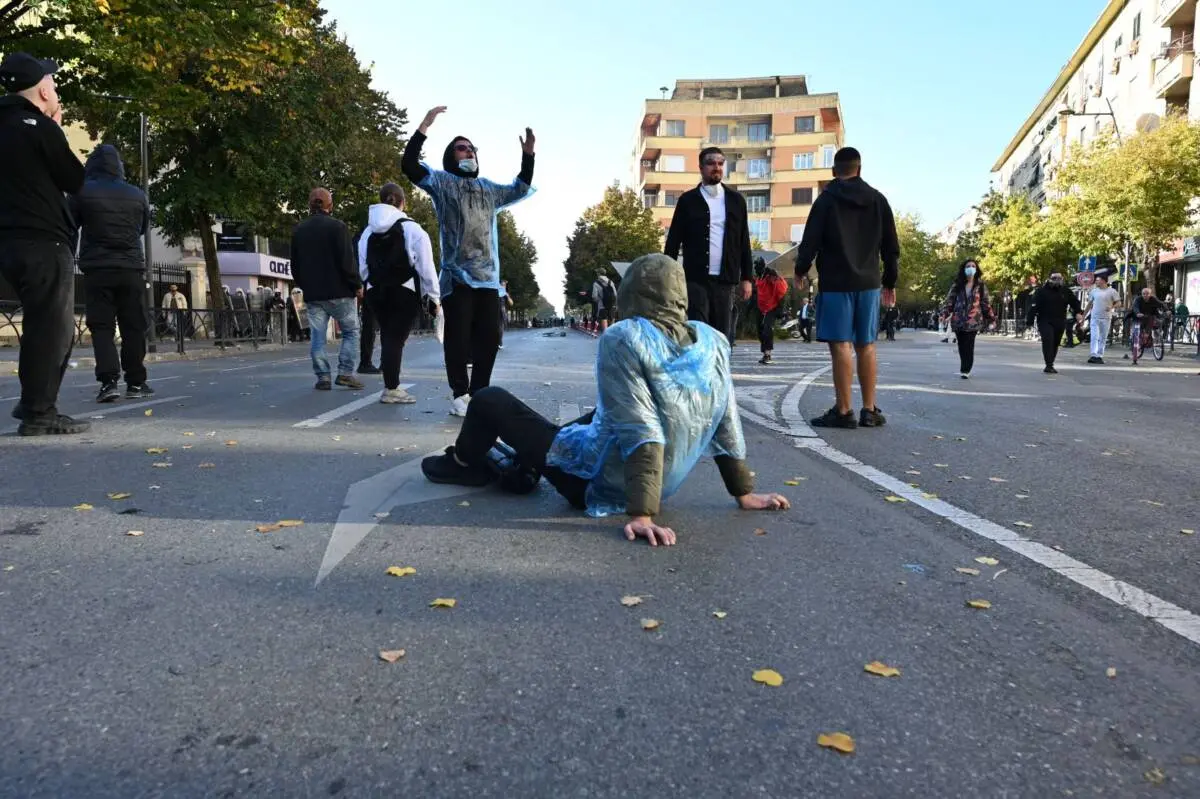
The violence is now uncorked and it will be hard to contain, especially when the police slam protesters to the groundand and pummel them with batons – excessive force that EU standards prohibit.
Three paths lie ahead, all of them challenging because Albania has been ruled for so long by one man, boosted by the US and European governments, who have favored autocratic stability over democratic norms.
The first is concession. Rama steps down or calls for new elections. That could calm the crowds but leaves open the question of who leads next. The opposition, led by Democratic Party leader Sali Berisha is deeply discredited and a target of the protesters’ wrath.
Until now, Rama has refused to resign, saying he is the only one to lead Albania to the EU.
Three scenarios
The second is escalation. The oligarchs and organised crime leaders, with whom Rama is allegedly embroiled, demand that he crack down to preserve their spoils. Or he goes to them with an urgent plea: your assets stand at risk and together we must stand.
The amount of money at stake – far more than when the massive pyramid schemes collapsed and sparked chaos in 1997 – escalates this risk.
The third is muddling through with a mix of concessions and force: a government reshuffle, more funds for education, arrests and accusations of a hybrid war.
External factors
As frequently happens with Albania, outside powers plays a decisive role. The US has largely retreated into presidential profiteering but will European governments and the EU continue to back their man?
Just two weeks before the violent protests erupted, Commission President Ursula von der Leyen visited Albania and praised the country’s “remarkable progress.”
The student protester speaking with the BBC expressed it well. “Rama has been willing to play ball boy for the European Union’s geopolitical aims and they have been willing to legitimise his governance, even though he is an autocratic leader who is indistinguishable from someone like Vučić in Serbia”, said the student.
If Brussels keeps uncritically backing one man over institutions, Albania’s students will keep lifting stones.
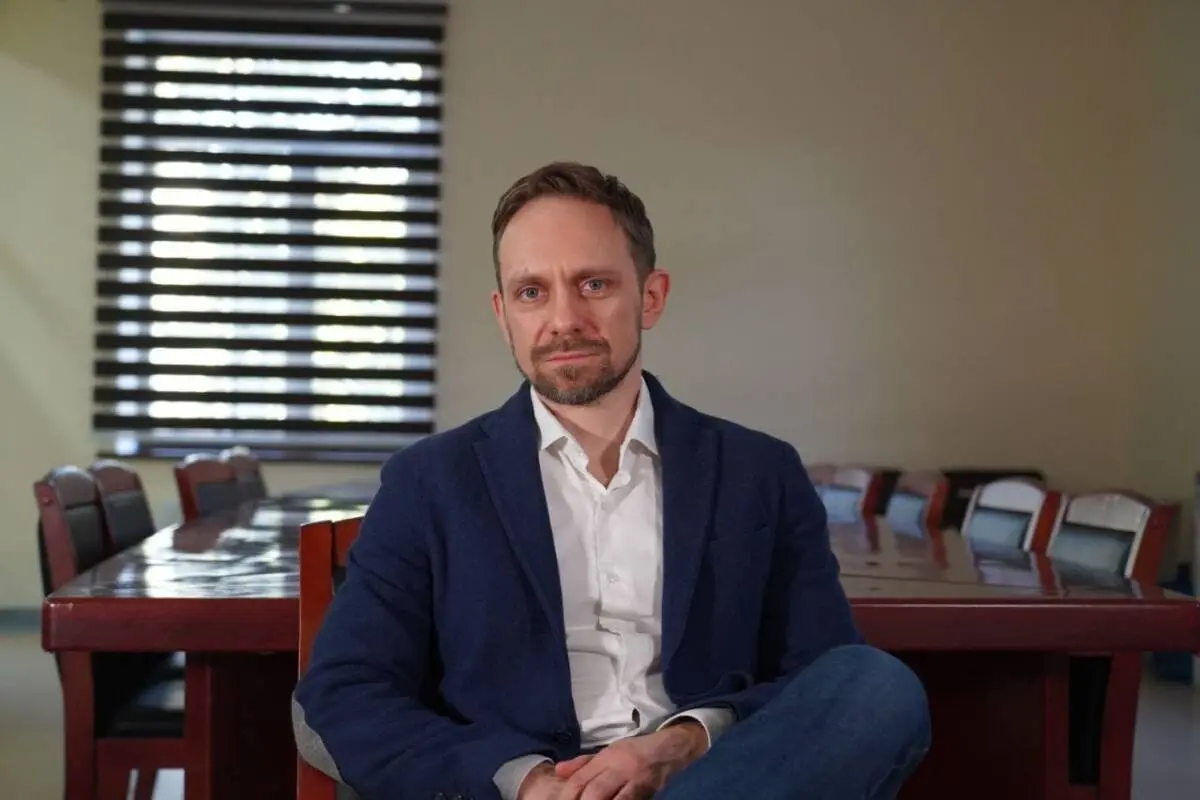
Fred Abrahams is author of the book Modern Albania: From Dictatorship to Democracy”. He co-directs the Aryeh Neier Center for Justice in Berlin.
Found an error in this article? Please contact our editorial team at redazione@balcanicaucaso.org.
Tag: Proteste
Featured articles
 Investigation
 students' protest
 Montenegro Pride 2026