Croatia, Italy | Environment, News
From Italy to Gospić: the journey of waste
How thousands of tonnes of Italian waste ended up above an aquifer that supplies drinking water to an entire area of Croatia and why no one checked it. Our investigation
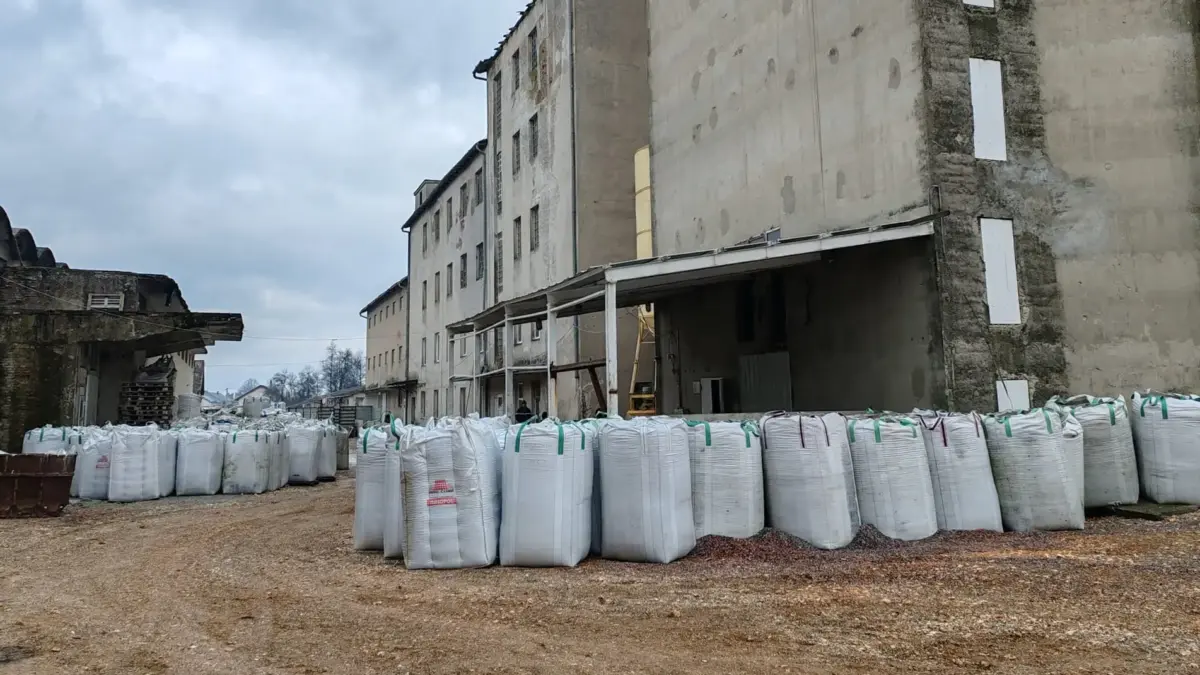
Rifiuti rinvenuti nel sito dell’ex complesso industriale “PPK Velebit” gestito da Tipos Resurs a Gospić © Europol
Rifiuti rinvenuti nel sito dell'ex complesso industriale "PPK Velebit" gestito da Tipos Resurs a Gospić © Europol
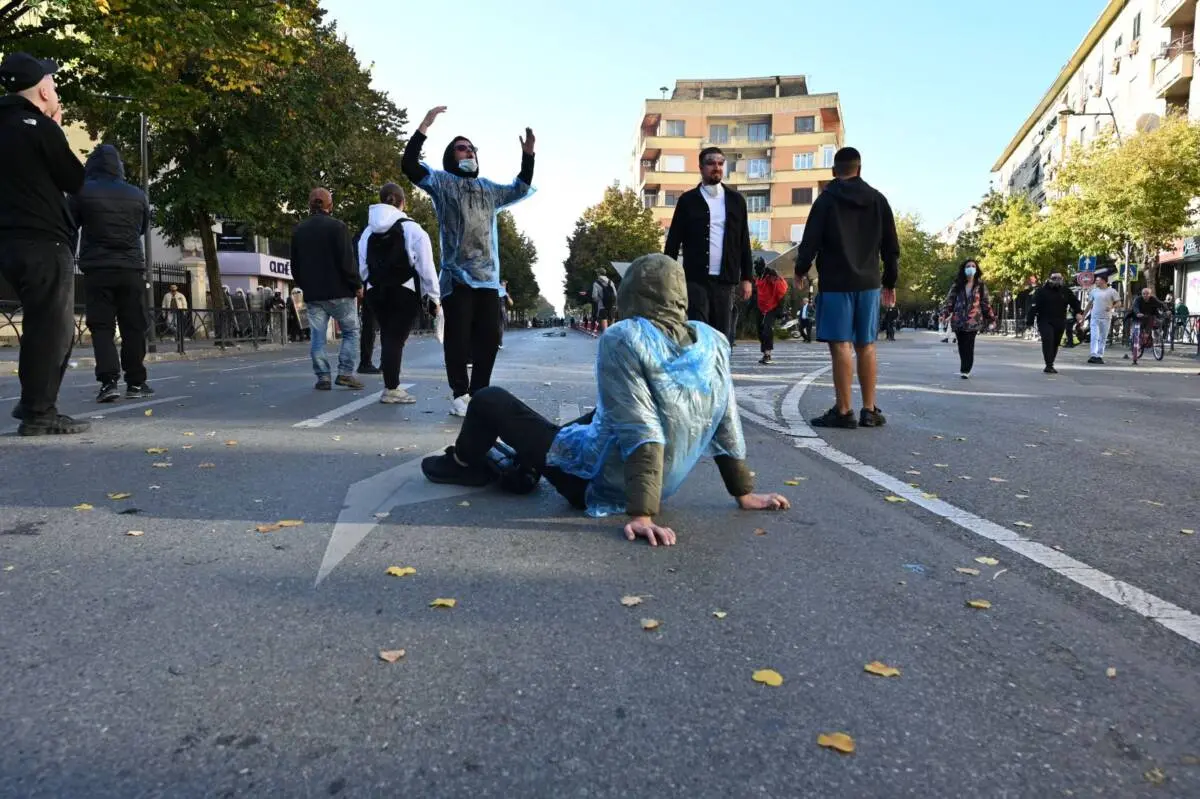
For over three months now, Croatia has been rocked by a scandal of national proportions. In Gospić, a small town in Lika, the mountainous region between the Adriatic coast and the border with Bosnia and Herzegovina, tens of thousands tonnes of illegally dumped waste have been discovered. The revelations prompted tens of thousands of people to take to the streets to protest the pollution, believing corruption was behind the scandal.
On paper, the waste found on the site of a former food-processing plant consisted of plastic destined for recycling. However, analysis conducted by the Faculty of Geotechnical Engineering in Zagreb revealed the presence of so-called “forever chemicals” (PFAS) in the groundwater at concentrations double the legal limit. Beneath the landfill lies a karst aquifer that supplies drinking water to the entire area.
Furthermore, according to Europol, much of the disposed waste (at least 35,000 tonnes in three different sites, including Gospić) consisted of hazardous waste from Italy, Slovenia and Germany, labeled as non-hazardous. The system generated illicit profits of at least four million euros. The company that received it, Tipos Resurs, held a regional permit to treat only non-hazardous waste.
The affair is at the centre of an investigation launched by Croatia’s anti-corruption prosecutors (USKOK) in February 2025. To date, the investigation has led to the arrest of around twenty people and it became a national story this summer. However, many questions remain unanswered.
OBCT set out to follow the trail on both sides of the Adriatic, contacting the Italian companies cited by the prosecutors and trying to unravel the ties between entrepreneurs and politicians in Croatia.
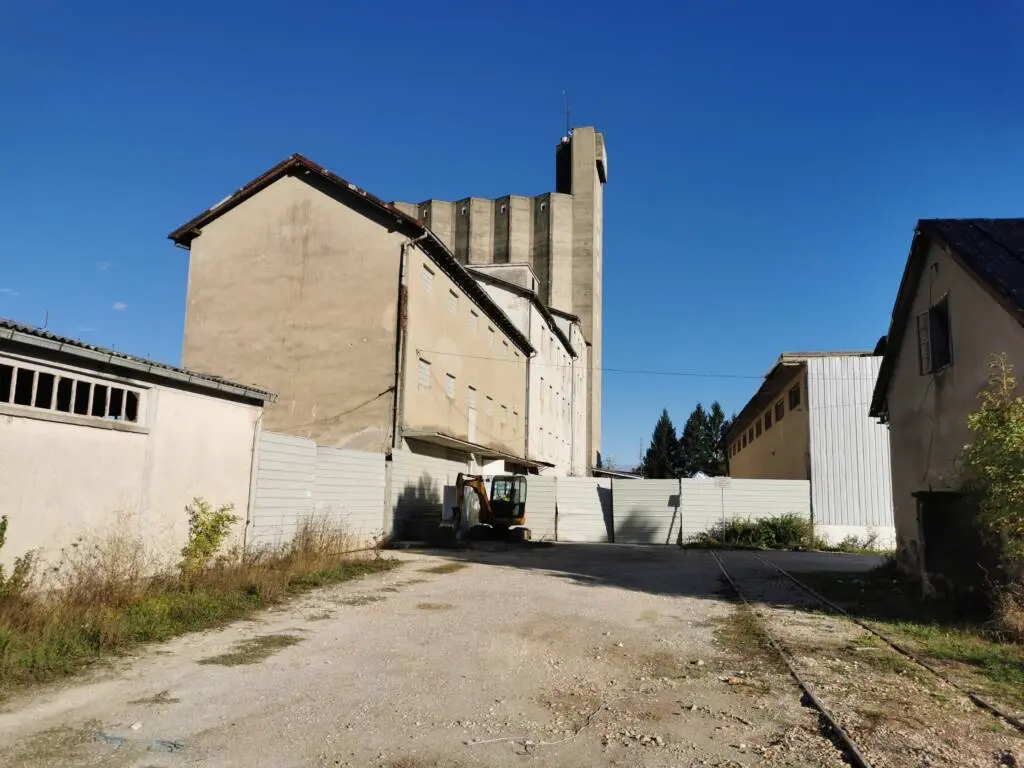
The entrance to the former PPK Velebit industrial complex in Gospić, where Tipos Resurs stored the waste. Photo: Saša Leković
The prime suspect
Last week, it was announced that the investigation into the illegal disposal of waste in Gospić – as well as in Benkovac and Senj, where waste from the same source was dumped – had been expanded for the third time in Croatia. Five people were arrested, but all were later released.
According to an official statement from USKOK on 10 October, the allegations concern multiple environmental crimes committed as part of a criminal conspiracy. The main suspect is Josip Šincek, de facto manager of Tipos Resurs, a company founded in 2013. The company obtained a permit for non-hazardous waste management in Gospić in 2022. Šincek was among those arrested in February 2025. OBCT spoke with him in Varaždin, where he lives.
Due to the confidentiality of the investigation, a USKOK ruling prohibits him from publicly discussing details of the case. Consequently, he has released only the following official statement: “I am the victim of politically motivated blackmail. I refused to give in to the blackmail, so a smear campaign was launched against me with the aim of destroying me. There is no evidence that I have broken the law or caused any harm, and I will prove this in court”.
Speaking to OBCT about his company’s activities in general, Šincek said that he imports only non-hazardous waste from Italy. When asked why Italian companies export this waste to Croatia, he replied that one should ask the owners of those companies. However, he noted that the material in question consists of non-incinerable waste and that the cost of final disposal of such waste in Italy is high.
USKOK will seek to prove – through an indictment expected to be filed soon – that what happened in Gospić was the result of a criminal conspiracy resulting in environmental damage.
In Lika, waste is a well known problem
In Gospić, two hundred kilometres south of Zagreb, the illegal waste dumping scandal is the main topic of conversation. Residents are willing to speak to journalists, but most prefer to remain anonymous, with the exception of activists of the “Gospić is our home” initiative, organisers of a protest in Zagreb in September 2026 that attracted some thirty thousand people.
“A few years ago, during the term of the previous mayor, we contacted the city administration to raise the alarm about illegal waste dumping, but no one took us seriously. Perhaps they knew what was happening but did not dare intervene”, a woman living near the site where Tipos Resurs hauled waste told us. The site – to which the company built an access road – is located next to a municipal landfill.
“Šincek often came here and spent a lot of money. He was also seen on several occasions with Andrija Mikulić, then head of the State Inspectorate, who was supposed to monitor Šincek’s business activities”, a source told OBCT, pointing to “The Highlander’s Pub”, which stands out in the town’s main square for its modern appearance.
Mikulić was arrested on 27 November 2025, and removed from office the same day. Following the questioning of all witnesses, Mikulić was released.
In a separate USKOK investigation, he is suspected of accepting bribes and engaging in malfeasance related to two quarries located in another part of Croatia. Regarding the Gospić scandal, Josip Šincek claimed that Mikulić had demanded approximately 500,000 euros from him in exchange for the inspectorate turning a blind eye to the alleged illegal waste disposal. Mikulić has denied the allegations, and according to the latest available information (as of 14 October), he is not officially considered a suspect in the Gospić case in relation to these allegations.
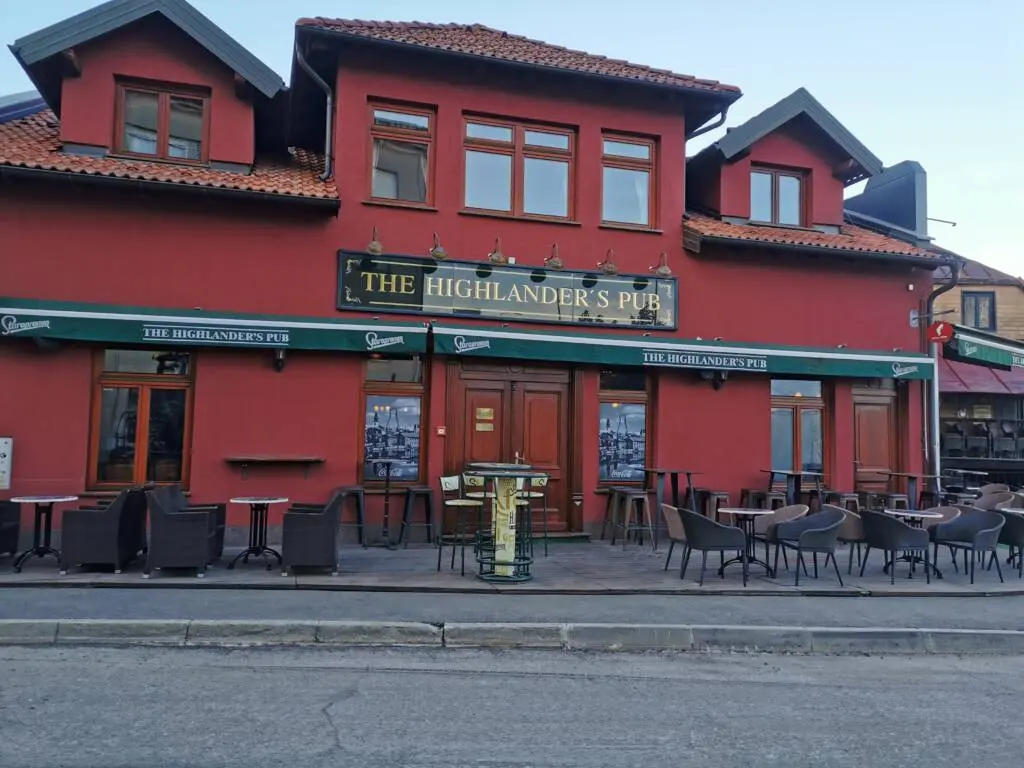
The Highlander’s Pub in Gospić. Photo: Saša Leković
The Italian companies cited in the investigation
Five Italian suppliers of Tipos Resurs are mentioned in the Croatian investigation documents and in press reports. None of them have been charged.
The company most frequently cited in Croatian reports is Zoffoli Metalli, a family-run business based in Tamara di Copparo, near Ferrara, whose origins date back a century. It recovers and refines scrap metal and grinds old electric cables to extract copper and aluminium, a process that leaves the plastic sheath as waste. Gifema, in Loreggia near Padua, also specialises in recycling cables. Stena Recycling is the Italian branch of the Swedish group Stena Metall and treats electronic waste, metals and plastics. Intercommercio, a small family firm in the Padua area, has been collecting and sorting recyclable waste since 1964. Tellfer, in Fiume Veneto near Pordenone, recovers scrap metal.
We contacted all five companies. Gifema, Stena Recycling and Tellfer did not respond. Intercommercio confirmed via email that it had worked with Tipos Resurs: before the collaboration began – the company wrote – a technician from the Croatian company explained that the plastic would be used to make prefabricated panels and lightweight concrete, “under patent”.
Zoffoli Metalli replied through its lawyer, Alessandro Sintucci. Before signing the contract with Tipos Resurs – he said – the Italian company checked the Croatian firm’s license, which certified the absence of a criminal record. Sales staff visited the plant in Gospić. The company declined to share shipping documents or name the transport firms, citing confidentiality reasons.
However, Zoffoli shared with OBCT a document, issued in October 2022 by the Lika-Senj County Department of Physical Planning, Construction and Environmental Protection, authorising Tipos Resurs to manage non-hazardous waste. The inspection on behalf of the county were conducted by Jerko Kostelac, who is under investigation for abuse of office and forgery of an official document.
Zoffoli insists that the company never sent any hazardous waste to Gospić.
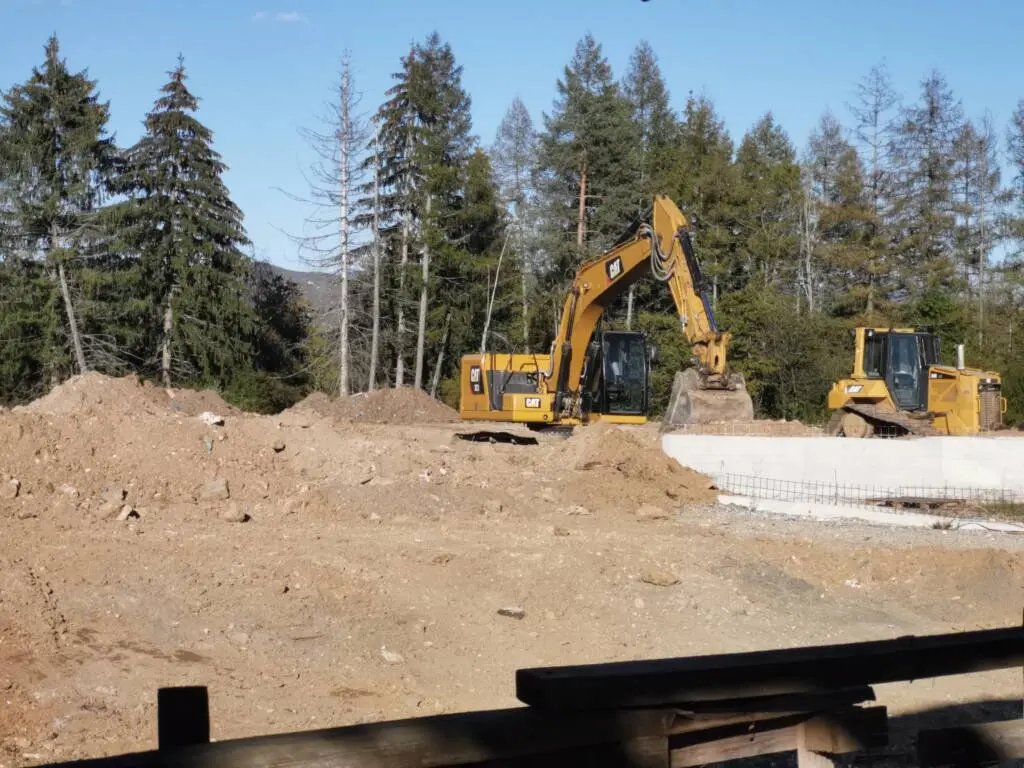
Clean-up work at the former PPK Velebit industrial complex in Gospić. Photo: Saša Leković
Self-declarations and labels
According to the Italian Institute for Environmental Protection and Research (ISPRA), more than 120,000 tonnes of industrial waste were shipped from Italy to Croatia in 2024, the latest year for which data are available. That is three times more than five years earlier. Almost all of this waste was declared non-hazardous.
Some of it ended up in Gospić. In response to our inquiry, ISPRA confirmed that Tipos Resurs received waste from Italy every year between 2020 and 2024, all declared with the same code, 19 12 04: “plastic and rubber” residues from the treatment of other waste. Initially, the quantities were small, but then grew rapidly, peaking at approximately 9,000 tonnes in 2023. That year, when Croatia joined the Schengen area, approximately one in four tonnes of this type of waste sent from Italy to Croatia went to Tipos Resurs.
How could this happen? In the European Union, each load of waste is marked with a six-digit code describing its contents. Hazardous waste is marked with an asterisk. Plastic waste from a sorting or shredding plant can be classified as 19 12 04, meaning non-hazardous. If it contains hazardous substances, such as heavy metals, it requires a hazardous waste code. From the outside, the bales appear identical. What distinguishes them from one another is a laboratory analysis.
The choice of code changes everything. Clean plastic headed for recycling can travel under the so-called “green list”. The sender fills in a short form, known as Annex VII, the recipient signs it on arrival, and that is it. No prior authorisation from the authorities is required. Hazardous or contaminated waste is a special case: the sender must notify the authorities of both countries, await their written authorisation and provide a financial guarantee.
The code is chosen by the companies themselves. The firm that produces or treats the waste pays for the tests and fills in the form. No public body checks the classification before the truck leaves. Customs and environmental inspectors carry out random checks, but the waste travels in tightly compressed bales wrapped in plastic film, and few are ever opened. Since Croatia joined the Schengen area, systematic checks on trucks arriving from Slovenia are no longer performed.
In the case of Zoffoli, the company’s lawyer Alessandro Sintucci explained that Zoffoli’s waste is analysed by an external laboratory twice a year, and it is precisely these results that allow shipments to be included in the green list. Regarding the receiving Croatian company, he stated: “Once Annex VII is signed, my job ends there. No regulation requires me to verify whether the waste has actually been recycled”. Croatia, Sintucci added, is a marginal market for Zoffoli. But the Gospić case is anything but marginal in Croatia.
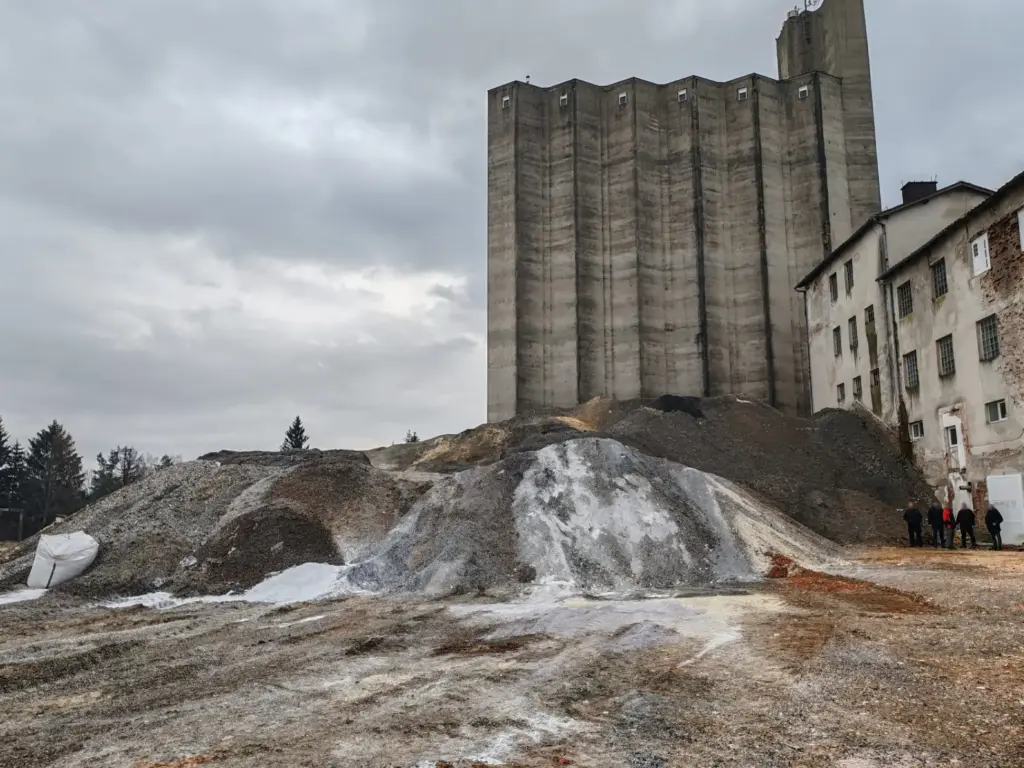
Waste found at the site operated by Tipos Resurs in the former PPK Velebit industrial complex in Gospić. © Europol
The political cost of waste
On 1 October 2026, a closed session of the Croatian Parliament’s Committee on internal policy and national security was held to discuss the illegal disposal of hazardous waste in Gospić and the actions taken by the relevant state authorities. At the end of the session – which was attended by representatives of the Security and Intelligence Agency (SOA), the Customs Office, and the State Attorney’s Office – Committee chairman Ranko Ostojić, member of the opposition Social Democratic Party (SDP), stated that the relevant institutions had been aware of the illegal waste disposal since 2022-2023.
Croatian President Zoran Milanović (former leader of the SDP, who left the party when he ran for president, a position he is currently serving for a second term), Prime Minister Andrej Plenković and Parliament Speaker Goran Jandroković (the latter members of the ruling Croatian Democratic Union, HDZ) responded by stating that they had not received the SOA’s report on illegal waste disposal. If these claims were true, the only competent institution to which the SOA had notified the report was the State Inspectorate, then headed by Andrija Mikulić.
The scandal has major political significance, beyond its legal implications, considering that Gospić has been an HDZ stronghold for 35 years, ever since Croatia declared independence. However, the latest public opinion polls indicate that in the upcoming elections, due in less than two years, the two main opposition parties (SDP and Možemo!) could gain greater support than the HDZ.
Many residents blame the scandal on the HDZ, which has governed Lika-Senj county for decades. It was the county administration that granted Tipos Resurs a waste management permit in 2022, based on an inspection conducted by senior county adiser Jerko Kostelac, who is now under investigation. The permit was renewed in October 2024, after being revoked earlier that year.
Croatia, the ideal destination
However, the Gospić scandal highlights a much larger problem.
According to Antonio Pergolizzi, who covers international waste trafficking for Legambiente’s annual Ecomafia report, cases like Gospić grow out of a market with too much plastic and too few buyers, a problem Europe has faced since China stopped importing plastic waste in 2018. Sending low-quality waste abroad costs less than treating it at home.
This might explain why waste is leaving Italy. But it does not explain why such a large amount ended up in a small town in Lika, in a country without a significant plastic recycling industry.
According to Europol, waste was sent to Gospić from Italy, Germany, and Slovenia. It remains to be seen whether the primary reason was economic convenience, or whether Croatia was considered an ideal destination for waste due to lax regulations, poor controls and high levels of corruption within state institutions.
In Gospić, trust in the Croatian state is low.
“Corrupt Croatia has become Italy’s dumping ground, and Gospić is paying the price for a political choice: Croatia’s colonial status within the EU”, says an elderly man we met at the train station not far from the landfill. He declined to give his name, explaining that he did not want to get into trouble.
Found an error in this article? Please contact our editorial team at redazione@balcanicaucaso.org.
This publication has been produced within the Collaborative and Investigative Journalism Initiative (CIJI ), a project co-funded by the European Commission. The contents of this publication are the sole responsibility of Osservatorio Balcani Caucaso Transeuropa and do not reflect the views of the European Union. Go to the project page
Featured articles
 Montenegro Pride 2026
 Political deadlock