Kosovo elections, Albin Kurti faces political crisis ahead of vote
Citizens of Kosovo will go to early elections next Sunday. Prime Minister Albin Kurti and his Vetëvendosje Movement (LVV) are seeking a victory to break the ongoing institutional deadlock. The race, however, remains highly volatile
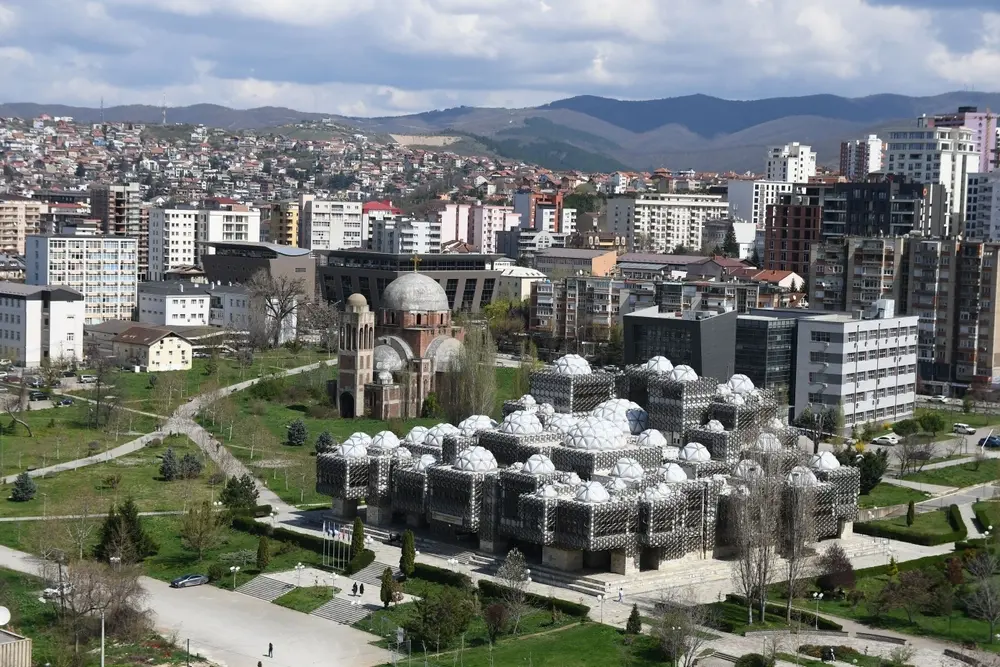
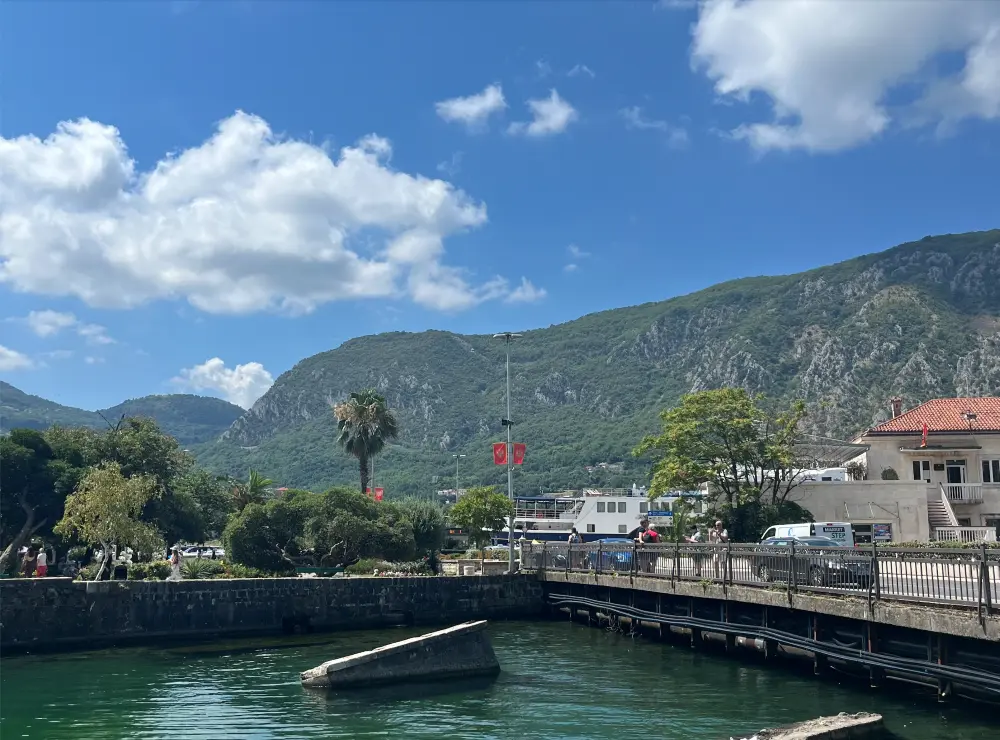
Pristina © Wirestock Creators/Shutterstock
Pristina © Wirestock Creators/Shutterstock
Early parliamentary elections will be held in Kosovo on June 7, five months after the previous round, with 21 political entities competing with a total of 902 parliamentary candidates.
Given the short period between the two elections, promises generally remain similar and are mainly focused on energy, salaries, social schemes, infrastructure development, and technology.
The Vetëvendosje Movement (LVV), which is currently in power, aims to surpass the record achieved in the December 2025 elections when it won 51.1% of the vote, this time setting a target of 61%.
On the other hand, the Democratic Party of Kosovo (PDK) is confident it will end the political crisis and win the race.
Meanwhile, the Democratic League of Kosovo (LDK), with the return of former president Vjosa Osmani to the party, believes it will win the elections by regaining and increasing the votes lost in the previous elections, when it ranked as the third party.
Meanwhile, Ramush Haradinaj, founder of the Alliance for the Future of Kosovo (AAK), has stepped down after two decades. His successor is Ardian Gjini, who is running for prime minister for the first time.
A novelty in these elections is the participation of the Social Democratic Party (PSD), led by Dardan Molliqaj, formerly Albin Kurti’s right-hand man in the Vetëvendosje Movement.
The PSD’s objective is to enter Parliament and oppose LVV’s government, as it believes that LVV will win the elections again. However, during the election campaign, many have been surprised by its critical approach toward the former opposition parties for being too soft on the government.
Election campaign 2026, public funds and unfair advantage accusations
According to the coalition of local election monitoring organizations “Democracy in Action” (DNV), the first five days of the campaign, which began on May 28, have been characterized by the dominance of leaders, the use of children, and the absence of debates between candidates.
As a persistent concern, DNV has highlighted unequal competition in the electoral race.
“The use of public resources before the official start of the election campaign, including government decisions in office to distribute financial benefits to citizens, has created an unfair electoral advantage for the ruling party,” DNV assesses.
Sixteen days before the elections, the caretaker government led by LVV distributed one-time payments of 100 euros to pensioners, children, students, and private sector workers.
This support was included as part of a measure called the “new package for coping with inflation.”
Four days later, the government allocated another two million euros to support flight routes serving the diaspora. This decision also faced criticism, but the government denied that it constituted vote-buying from expatriates, the vast majority of whom support LVV.
During the first five days of the campaign, higher intensity of electoral activities on the ground has been observed, with political entities focusing on opening rallies in Kosovo’s main centers.
There have also been cases of children being used at some political party rallies.
Meanwhile, DNV found that the campaign is characterized by a high degree of personalization and centralization, where political leaders and candidates for key positions dominate public activities and political communication, while parliamentary candidates have a more limited role in public and media appearances.
As a result, candidates are increasingly using social networks for self-promotion.
The “blame card” and political polarization
In general, electoral discourse in Kosovo is characterized by a mix of policy and political conflict.
This time, according to researcher Festim Rizanaj, there is more direct confrontation involving labeling and blame over who caused the repetition of elections.
“Social polarization influenced by rhetoric of labeling or ‘us and them’ divisions has also led in these elections to audiences being fed this rhetoric and avoiding campaign promises,” says Rizanaj.
The “blame card” is being widely used in this election by political parties. The ruling LVV accuses opposition parties of refusing compromise on the election of the President, while they accuse LVV of arrogance and imposing candidates.
Social media, and hate speech, the digital battleground between parties
The campaign on social networks is significantly harsher due to hate speech used by party supporters.
“The use of offensive and discriminatory language by political entities, although at a lower level compared to previous electoral processes, shows that the online space continues to present serious challenges for the quality of public debate,” DNV further notes.
Monitoring by this observer mission shows that during the five day period, 56 cases were identified involving hate speech, defamatory or disparaging language, disinformation, and out-of-context content.
AI and disinformation
Difficulties in controlling content have made social networks in Kosovo a suitable environment for attempts to influence voters.
The fact-checking and disinformation monitoring platform in Kosovo, “Hibrid,” has observed an increase in misinformation levels on social networks.
Among the main forms are fake polls that manipulate public opinion, old statements and videos presented as current, as well as the use of artificial intelligence to create false and propaganda content.
These negative trends on social networks, according to Festim Rizanaj, who is also a researcher at “Hibrid,” are destroying genuine public debate.
“This discrediting of political figures can lead citizens to change their perception of certain figures, because political developments are often interpreted through these videos, which disconnects the understanding of debate, promises, and the focus is placed mainly on banalities,” Rizanaj assesses.
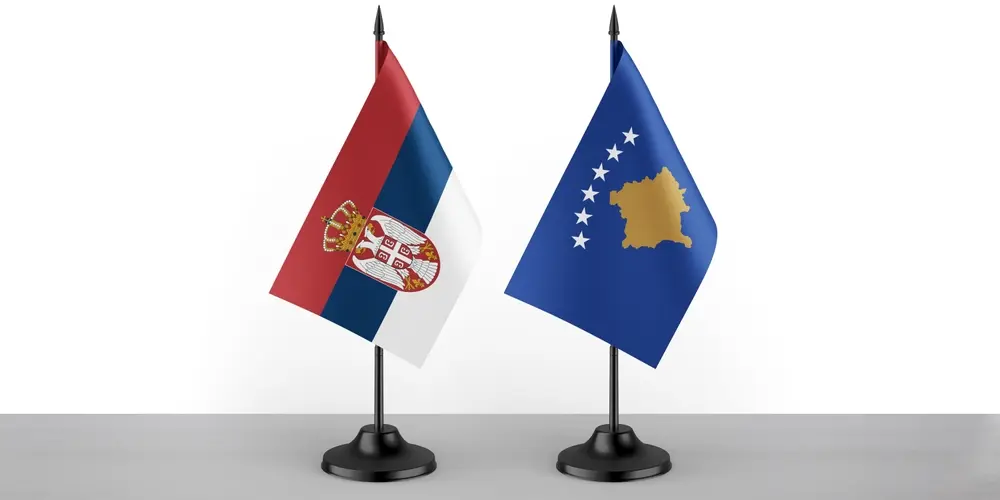
Regarding external influence, Rizanaj emphasizes that Serbia aims to create narratives about a lack of democracy and institutional pressure on the Serb community in Kosovo.
Hibrid.info warns that the consequences of misinformation may include societal polarization and damage citizens’ trust in the electoral process.
Found an error in this article? Please contact our editorial team at redazione@balcanicaucaso.org.