EU-Prox Innovating European Studies: Geopolitics and Sustainability of Enlargement
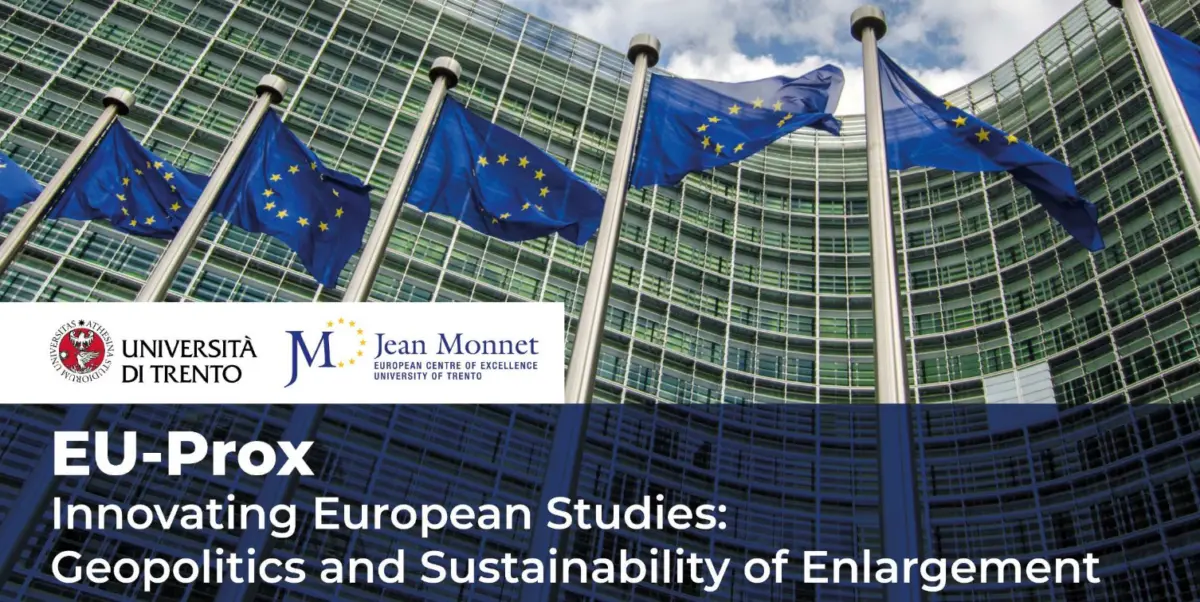
The EU-Prox Jean Monnet Module examines the European Union’s enlargement process at the intersection of geopolitics and sustainability, exploring its tensions, competing priorities and underlying logics. It aims to deepen and promote understanding of the EU’s strategies, policies and political projects towards candidate countries and neighbouring regions. The project focuses on EU external action towards the Western Balkans, Eastern Europe and the South Caucasus over the past two decades, examining how European instruments for cooperation, integration and transformation have evolved and increasingly intersected with broader concerns around stabilisation, resilience and security. It also explores the changing nature of the EU’s normative and transformative commitments and the emerging dynamics shaping the relationship between enlargement, sustainability and geopolitical interests. Through teaching activities, workshops and training opportunities, initiatives supporting students’ professional development, and public debates beyond the university, the project seeks to foster a critical and informed understanding of EU enlargement policies and their implications for the EU’s relations with candidate countries and neighbouring regions.
The Module is coordinated by the Jean Monnet Centre of Excellence at the University of Trento and implemented in collaboration with OBCT.
Events
Protestare per l’Europa. La Georgia e il futuro dell’allargamento
13 maggio a Trento
Una conversazione sulle prospettive di integrazione europea della Georgia.
Alessandra Russo, prof.ssa Scuola Studi Internazionali dell’Università di Trento, e Giorgio Comai, ricercatore a OBCT presso il Centro per la Cooperazione Internazionale, dialogano con alcuni studenti e ricercatori georgiani.
 Students supported the promotion of the Estival 2025 event and conducted short interviews with the speakers.
Video interview
Video interview

This project is co-funded by the European Union. Views and opinions expressed are however those of the author(s) only and do not necessarily reflect those of the granting authority and the European Union cannot be held responsible for them.