Bulgaria: winning Eurovision is not just about the music
Last Sunday, Bulgaria won the Eurovision Song Contest for the first time. Dara’s triumph with her song “Bangaranga” is not merely a musical victory: it offers Bulgarians themselves a snapshot of their society, having emerged from the transition period and now faced with new challenges
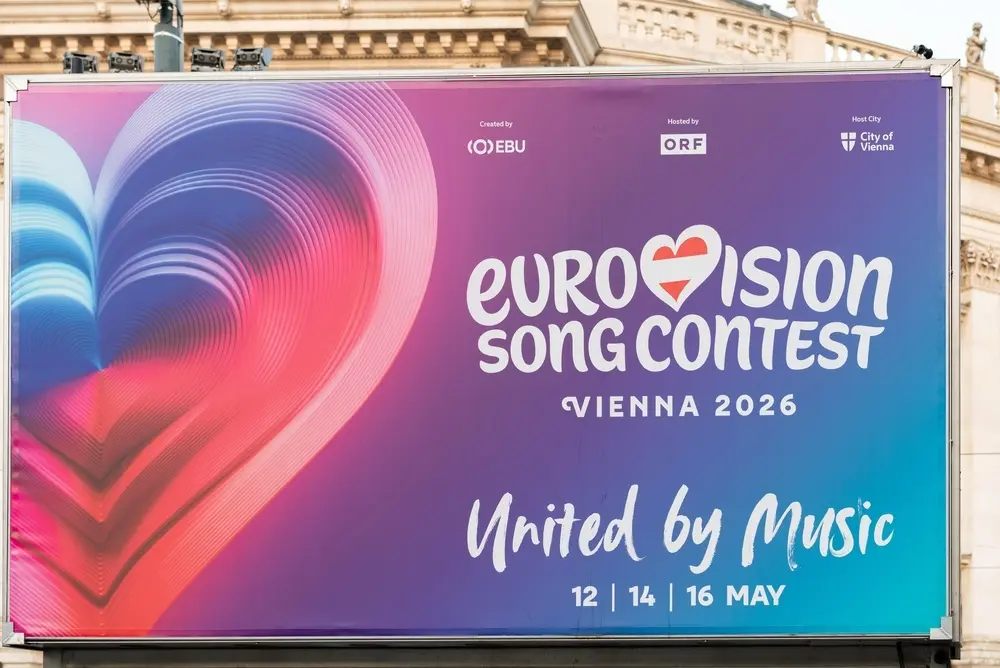
Eurovision © DirkVG/Shutterstock
Eurovision © DirkVG/Shutterstock
“Eurovision” as a distant echo of the “magical nights” of the 1994 football World Cup in the United States, when Bulgaria felt on top of the world thanks to the sporting exploits of Hristo Stoichkov and his teammates, whilst Bulgaria’s public television commentator Nikolay Kolev, caught up in the euphoria of a memorable goal by Emil Kostadinov, coined the phrase “God is Bulgarian!”, which immediately became an integral part of the country’s popular culture.
This time the success is not in sports, but in music: the young Bulgarian pop star Darina Yotova, known by her stage name “Dara”, literally triumphed in the 70th edition of the pan-European song contest held on Sunday evening in Vienna, thus giving Bulgaria its first victory in the event, in which the country has participated with mixed fortunes and a few absences since 2005.
Despite its avowedly apolitical stance, ‘Eurovision’ is anything but a simple song contest, especially in Eastern Europe, where the competition is followed with visceral passion and the voting results – a combination of expert juries and public vote – are subjected to lengthy and complex analyses at various levels, often more tied to considerations of ‘music geopolitics’ than to the artistic merit of the songs.
It is therefore no surprise that the victory of Dara and her lively “bangaranga”, destined to become a hit of the coming European summer, has swept through the Bulgarian media landscape like a whirlwind, prompting thousands of people to comment on the event on social media, and painting a complex and at times unexpected portrait of the country.
Every year, “Eurovision” manages to divide the Old Continent despite its motto of “United by music”, and this year’s edition was one of the most divisive on record. The bone of contention was Israel’s participation, which was boycotted by five countries (including Slovenia in south-eastern Europe) due to the humanitarian crisis caused by the war in Gaza. The day before the final, thousands of people marched through the streets of the Austrian capital, calling for a boycott of the event and chanting “Free Palestine!” and “No stage for genocide!”.
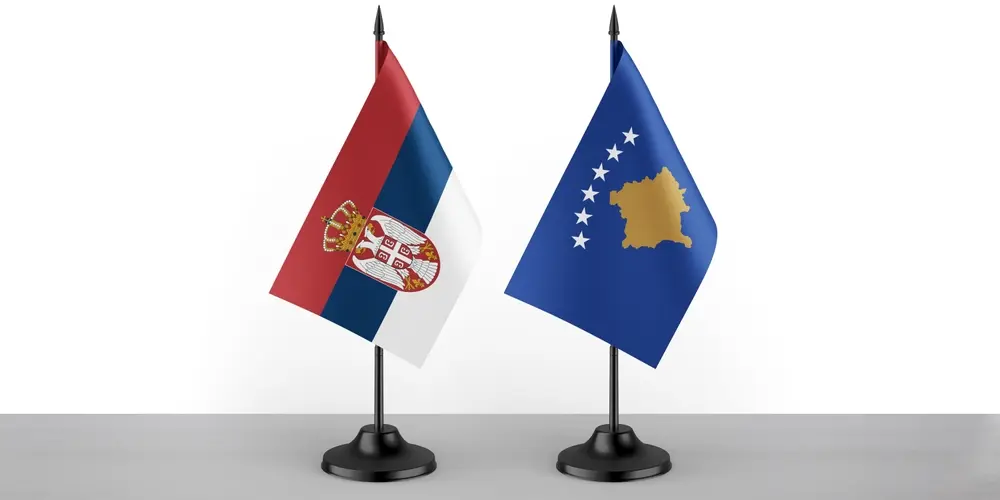
There was, of course, a touch of Balkan brawl, with a verbal clash between the Albanian and Serbian delegations during the final evening over the waving of a Kosovo flag, which sparked sparks and a few too many retorts in Vienna’s Stadthalle, before making the rounds in the region’s media.
In Bulgaria, however, the controversy’s echo fell on deaf ears, and few paid any real attention to Politico’s observations that the unexpected victory of “Bangaranga”, which had not been among the pre-contest favourites, spared “Eurovision” the nightmare of a possible victory for Israel itself – which ultimately came second – which would have posed the intractable dilemma of organising the 2027 contest, traditionally hosted by the winning country.
For the Bulgarian public, Dara’s triumph is first and foremost a matter of national pride, but also – in a more subtle and less obvious way – an opportunity for yet another discussion on the values, identity and direction the country intends to follow.
While the thrill of victory is similar, Dara’s Bulgaria is no longer that of Stoichkov. Back then, the national football team’s victories represented the cry of pride from a country in the midst of economic and values-based transition, destined within a few years (1997) into a devastating crisis of hyperinflation and street protests, where the shared dream was emigration “to Europe” and the popular heroes – even within the then-dominant ‘chalga’ music scene – were the ‘macho’ bosses of the local underworld.
Today, Bulgaria is increasingly experienced by its citizens as a ‘normal’ European country, with its strengths and weaknesses: almost twenty years after joining the EU, it has entered the Schengen Area and, in early 2026, the Eurozone. Despite a long period of political instability, which led to eight elections in just five years, according to official statistics in March 2026 the average gross salary in the country exceeded €1,400, and in the capital Sofia €2,000 – figures that were simply unthinkable just a few years ago. Many young Bulgarians no longer dream of emigrating, but see the best opportunities in their own country, with unemployment having been at historic lows for years.
This Bulgaria, tired of being mentioned only as “the poorest and most corrupt country in the EU”, is now hungry for symbolic confirmation of its new status, such as the recent visit of the Giro d’Italia to the country, which, despite the difficulties leading up to it, was seen as a success in terms of visibility, and now Dara’s victory in the Eurovision Song Contest, which will bring the colourful spectacle of “Eurovision” to the Bulgarian capital next year.
Every success, however, brings with it new challenges. “Shielded” by its relative poverty and marginality, Bulgaria has not had to face issues that have long divided the rest of the continent in recent decades, such as non-European immigration, but also the rift accompanying the debate on gender identity, social values and family relationships.
Things have changed rapidly: within a few months, for example, Sofia has transformed into a European city like so many others, where the “delivery boys” are young Pakistanis, and on the city’s streets and in its shopping centres one hears languages hitherto unknown and diverse.
This new reality, alongside the opportunities, brings new imbalances: the new wealth has further widened the economic gap between the major cities and the rest of the country, but also between social classes.
By the end of 2025, Bulgaria registered the highest Gini coefficient in EU, which indicates economic inequality within a society. Growth is accompanied by a sharp rise in inflation, which is putting pressure on and worrying the weaker classes, who are least prepared to seize the opportunities of the present.
A dynamic that translates (in part) into a clash of values: Europe, diversity and globalisation versus tradition, uniqueness and relations with Russia. In many ways, Dara and her victory represent the former, which is currently dominant but not necessarily the majority view in the country. It is no coincidence that those who criticised her performance focused on the lack of distinctly “Bulgarian” elements in the lyrics and music, or even on the presence of alleged satanic references. Or they highlighted the fact that the “ungrateful” Ukrainians gave Dara’s song only lukewarm support at best.
“I try to imagine the sour faces of our conservative elite, who have just won the elections, when the ‘genders’ (a derogatory term in Bulgaria referring to members or supporters of gender minority rights) who always accompany this colourful and controversial spectacle arrive in Sofia [for Eurovision],” wrote commentator Anita Dimitrova in the daily Sega, summarising the thoughts of many. “But also the global visibility, the tourist interest and the marketing effect that Eurovision brings to the host country.”
Meanwhile, Sofia is preparing to celebrate Dara with a concert in the square in the city centre on Tuesday 19 May, and there is already talk of the economic benefits of her victory for the country and the city, which is bidding to host the 2027 contest. The party will be a celebration of music, but also of the city and of that Bulgaria which has emerged victorious – not without its share of light and shadow – from the long transition.
It cannot be ruled out, however, that the seemingly innocuous success of “bangaranga” and the expected arrival of Eurovision next year could reignite discussions that have lain dormant for years, and prompt Bulgarians themselves to reflect on how much the country has changed in recent years and where it wants to go from here.
Found an error in this article? Please contact our editorial team at redazione@balcanicaucaso.org.
Tag: Music
Featured articles
 Montenegro Pride 2026
 Political deadlock