Kosovo: the LDK’s internal crisis is holding up the formation of a new government
Following its victory in the snap elections on 7 June, Vetëvendosje opened negotiations to resolve Kosovo’s long-running political crisis, finding a potential ally in the LDK. However, the LDK itself has called into question the leadership of its president, Lumir Abdixhiku, and the negotiations have stalled
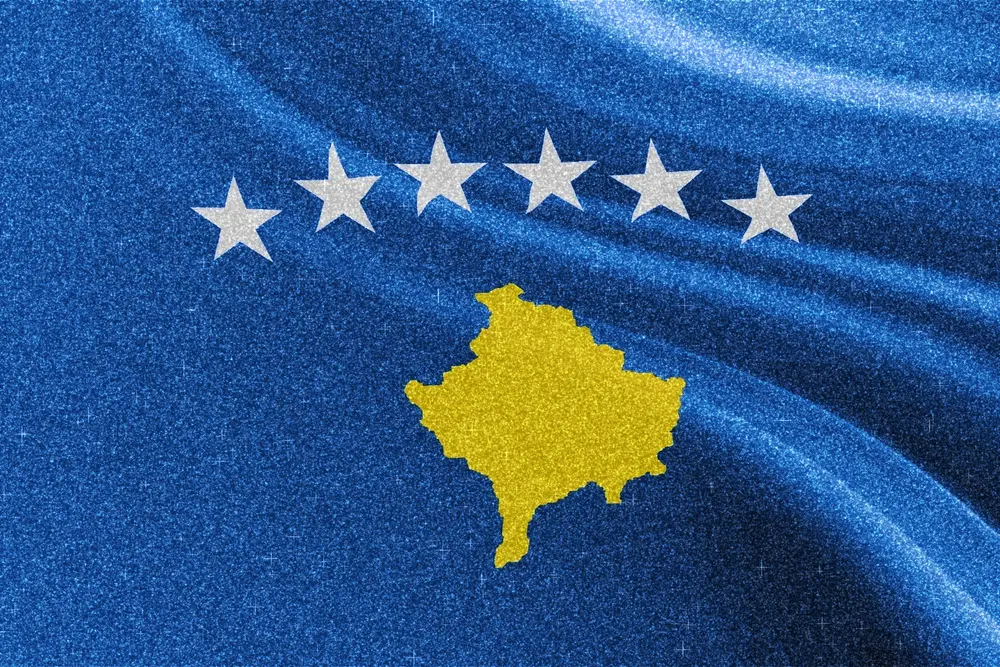
© Allexxandar/Shutterstock
© Allexxandar/Shutterstock
The completion of all post-election procedures following the parliamentary elections on 7 June has enabled Kosovo to move on to its next challenge: the formation of new state institutions.
Immediately after the results were certified, the Vetëvendosje Movement (LVV), as the winner of the elections, began meetings with other political parties to explore the possibility of forming a new parliamentary majority.
The meeting between the leader of the LVV and former Prime Minister Albin Kurti, the leader of the Democratic League of Kosovo (LDK) Lumir Abdixhiku, and the LDK’s presidential candidate, Vjosa Osmani, did not produce any concrete breakthrough.
However, the leaders involved agreed to continue negotiations, stating their desire to put an end to the institutional and political crisis that has plagued the country for almost two years, whilst at the same time avoiding what would have been Kosovo’s fourth consecutive parliamentary election.
Internal crisis within the LDK jeopardises negotiations
The first major setback in the search for a new governing coalition occurred on 15 July. The leader of the LDK, Lumir Abdixhiku, announced that he had been forced to suspend negotiations with the LVV after a formal initiative had been launched to remove him from the party leadership.
Abdixhiku himself authorised the party secretariat to initiate procedures for convening an extraordinary party assembly, after 148 delegates from the LDK assembly had submitted the necessary signatures to request both the convening of the party’s general assembly and his removal from office.
“In these circumstances, it would be neither serious nor responsible of me to negotiate on behalf of the LDK, as my mandate as party leader has been called into question,” said Abdixhiku.
The formal launch of the initiative follows open internal disputes within the LDK and growing dissatisfaction with Abdixhiku after the party came third in the June elections, winning 18 seats in the 120-member Pristina parliament.
Of the 18 elected LDK MPs, at least five have publicly expressed dissatisfaction with Abdixhiku’s leadership.
The PDK and the AAK withdraw from negotiations
Kurti, whose party won 53 seats in Parliament, first met with the leader of the Democratic Party of Kosovo (PDK), Bedri Hamza. Meanwhile, the leader of the Alliance for the Future of Kosovo (AAK), Ardian Gjini, declined Kurti’s invitation, describing the meeting as unnecessary.
The meeting between Kurti and Hamza ended without any outcome; Hamza subsequently announced that his party would withdraw from the negotiations and remain in opposition.
Meanwhile, Gjini stated that his party’s seven MPs would not stand in the way of the election of a new president if Vetëvendosje accepted six conditions set by the AAK, including Kosovo’s participation in the US liquefied natural gas (LNG) project.
Analysts’ views
According to political analyst Albinot Maloku, the actions of the group opposing Abdixhiku are complicating not only developments within Kosovo’s oldest political party, but also negotiations with the LVV on the formation of new institutions.
“The LDK has long suffered from a lack of clarity when it comes to saying ‘yes’ or ‘no’. Other political parties, in particular Vetëvendosje and the PDK, have undoubtedly taken advantage of this situation, alternating between criticism and praise of the LDK, making it increasingly susceptible to external influence. This usually happens when leadership positions are held not by those who enjoy the support of the party’s grassroots, but by those with lobbying power,” said Maloku.
Political analyst Fitim Mulolli believes that the votes of dissatisfied LDK MPs for the next president could be secured if a potential agreement between Vetëvendosje and the LDK included a clear pro-American stance and Kosovo’s integration into the US natural gas network.
“If Kurti were to demonstrate a willingness to reconsider the interim government’s decision regarding Kosovo’s participation in the US gas project, then I believe those votes would support the future president. Divisions within the LDK will not be the decisive factor in the presidential election. What will matter far more is whether the current relationship between Kosovo and the United States becomes part of the guiding principles of a potential coalition. This will be decisive,” said Mulolli.
However, according to Mulolli, any future coalition should cover all key leadership positions, not just the presidency.
“There should be scope for a genuine political coalition and an agreement whereby one of the parties that has been in opposition until now is given several ministerial posts alongside the presidency, or alternatively the post of Speaker of Parliament alongside several ministerial posts. This would guarantee Kosovo a much more stable government over the next four years, something that is urgently needed,” added the analyst.
Maloku shares this view and argues that, although Vetëvendosje holds the largest number of seats, it should not allocate responsibilities to potential coalition partners based solely on its parliamentary strength.
“The significance of the numbers is determined by the interests and needs of the moment. Any agreement should include the allocation of responsibilities for all key posts – the Speaker of Parliament, the Prime Minister and the President of the Republic – so that the outcome of the elections on 7 June 2026 may, ultimately, be successful,” concluded Maloku.
The deadline for the formation of the new Assembly is 7 August. Only once the Assembly has been fully constituted can the two separate constitutional procedures begin: the formation of the new government and the election of the President of the Republic.
Found an error in this article? Please contact our editorial team at redazione@balcanicaucaso.org.
Featured articles
 Montenegro Pride 2026
 Political deadlock