Turkey: “A Fun Country, If Only We Didn’t Live Here”
The case of the comedian Deniz Göktaş, who is in prison for his jokes about corruption in the Turkish political system, is just the latest in a long series of instances in which challenging those in power – particularly through irony – is punished in order to silence critics and preserve the stability of the existing order
© Serg Grbanoff/Shutterstock
© Serg Grbanoff/Shutterstock
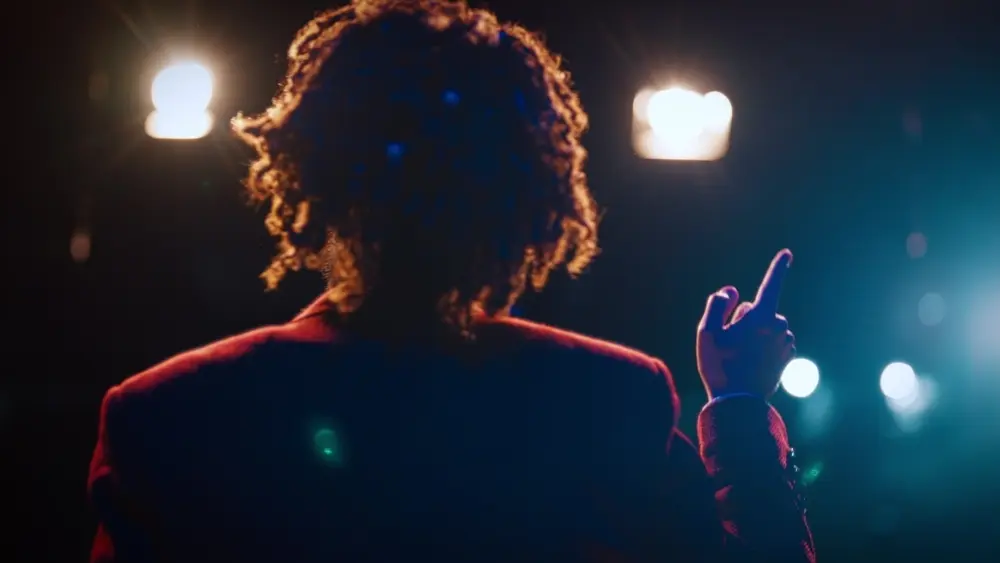
Turkish society, energized in part by its young population, is one that can turn even its darkest days into a joke. But making jokes is not funny anymore. It is a crime.
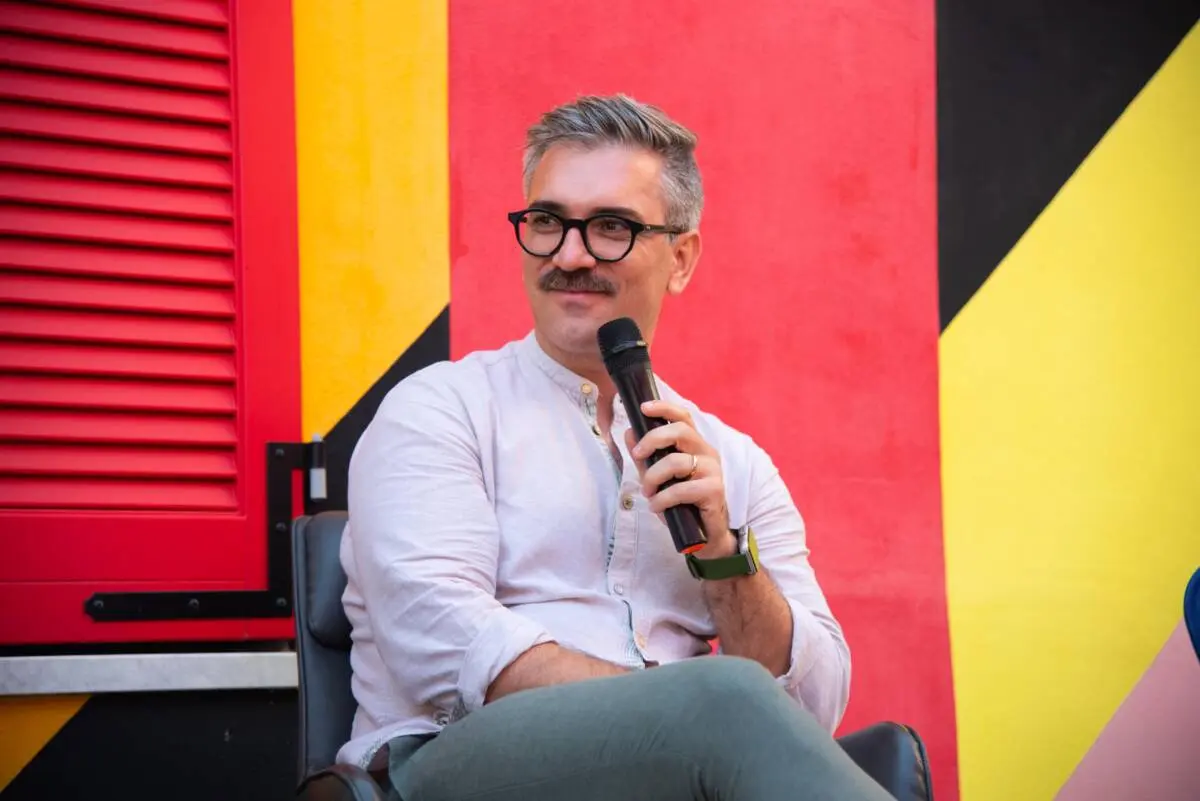
Criminalizing humour under the guise of “religious” or “national” sensitivities is an old habit, one Turkey keeps sharpening. The latest proof is comedian Deniz Göktaş.
Deniz was born in Ankara to an Alevi family, part of a religious minority whose beliefs and rituals differ from those of mainstream Sunni Islam.
Growing up with the particular tension that comes with being Alevi in Turkey, he built a career out of mocking it mercilessly, which tells us something about who, and what, he’s willing to leave off the table.
A psychology graduate, his shows take aim at everyone: Islamists, liberals, leftists, vegans. There is no group his jokes spare.
His comedy runs unusually close to the bone. He has a sharp political mind. Sharp enough that, in the middle of a stand-up set, he will drop the name Ramazan Akyürek, a defendant in the case over the murder of Hrant Dink, the Armenian journalist and editor-in-chief of Agos, fully aware that most of his audience will not even recognize who he is.
A Show That Millions Watched
Deniz is not merely a representative of the new generation of political satire in Turkey. He is also the voice of a generation weary of the authoritarian regime.
Although he has been performing for some time, a minor sensation, so to speak, erupted after he uploaded his latest show, “Ölü Deniz”, to YouTube without adverts, and the show was watched more than 13 million times in a short space of time.
His stand-up show, which laid bare Turkey’s rotten sociopolitical order, became the talk of the country.
On social media, people showered him with praise, invoking the fact that he had “done what no one else dared”, alongside a growing chorus of worry about what that would cost him.
Deniz was detained at the airport on July 2, the day he returned from vacation, and the anniversary of the Sivas massacre.
On July 2, 1993, an organized mob set fire to the Madımak Hotel during the Pir Sultan Abdal Festival, killing 33 people, most of them Alevi writers, poets, and musicians who had gathered there.
The footage of him in handcuffs, arms twisted behind his back, was released that same day. For the country’s Alevi community, the massacre remains one of the deepest, most unhealed wounds.
“My Frustration Finally Overcame My Fear”
“I uploaded the show neither in hope of any reward, nor because I felt brave for a single moment,” Deniz said in a note shared from his social media account, written from prison.
“As someone who claims to practice ‘political humor,’ I have grown tired of deleting even the most harmless sentences, or tiptoeing around them, out of fears like ‘What if they misinterpret this?’ or ‘What if they twist it and use it against you?’ I’ve grown so tired of it that my frustration has finally overcome my fear, a fear that had been quite intense.”
His aim was never to be a hero, to do what no one else dared. Quite the opposite, in a country where people are terrified to say what they think, he wanted to speak for everyone whose voice had been silenced.
And he did not do it out of courage, either. He did it simply because it was what he believed was right, and because he would not have known what else to do.
After being arrested on charges of “insulting the President” and “publicly denigrating the religious values held by a section of the public”, Deniz was sent to a high-security prison in the city of Çorlu, which is widely criticized as inhumane because of their design and conditions.
Soon after, access to some X posts containing clips from his stand-up comedy show was blocked on the grounds of “safeguarding national security and public order”. As of this writing, he remains in jail, with no trial date yet set.
When the Joke Becomes a Crime
While Deniz was still behind bars, a female colleague’s case reached its verdict. Comedian Tuba Ulu was sentenced to five months in prison for “publicly degrading a segment of the public”, after a joke she made about the Ottoman sultan Süleyman the Magnificent and his wife Hürrem Sultan, circulated online.
Prosecutors argued the joke’s sexual undertones insulted “historical and national-spiritual values”. The verdict was suspended under Turkey’s conditional sentencing rule.
Comedians Deniz Göktaş and Tuba Ulu are not isolated cases. They are the latest names on a growing list of public figures or ordinary citizens prosecuted for jokes, remarks or headlines deemed offensive to the state, religion or the presidency. In today’s Turkey, the punchline and the indictment have become nearly indistinguishable.
Although these prosecutions are often brought to intimidate, silence or deter critics and preserve the stability of the existing order, they ultimately reveal not the order’s strength but its fragility. As we joke among ourselves:
“It’s actually a fun country- if only we didn’t live here.”
Found an error in this article? Please contact our editorial team at redazione@balcanicaucaso.org.
Tag: Libertà di stampa