
Turkey: the collective memory of the 2016 coup attempt
On the night of July 15, 2016, Turkey experienced yet another violent coup attempt. Military units occupied the state broadcaster and other strategic infrastructure and attacked parliament, declaring the establishment of a “Peace Council.”
Much of the army, however, remained loyal to the government and, together with the civilian resistance mobilized by President Recep Tayyip Erdoğan, crushed the attempted coup within a few frantic hours. Blood was left on the streets: more than 250 civilians lost their lives, with thousands injured.
What followed was the declaration of a state of emergency (OHAL), during which a veritable purge was carried out against the Hizmet movement founded by religious leader Fethullah Gülen — accused of being the mastermind behind the coup attempt — but also against other opponents of Erdoğan’s party: over 160,000 civil servants were dismissed and prosecuted, schools, businesses, and newspapers were shut down, and thousands fled into exile.
Today, the official narrative celebrates “national unity,” but the memory of this decade and the country’s future prospects shift radically depending on who remembers and tells the story.
On the occasion of the tenth anniversary, we have gathered four voices from Turkish society to explore how this episode — which shaped the country’s recent history — is remembered and reinterpreted.
Each testimony reveals deep fractures in the collective memory: for some, July 15 has become a day of defense of democracy; for others, the acceleration toward consolidated authoritarianism.
These pages are an invitation to retrace the events of that night ten years ago through the eyes of those who lived them, reflecting on what it means to live under the same sky, and on how different both the memories of those hours and the expectations for the future of Turkey can be.
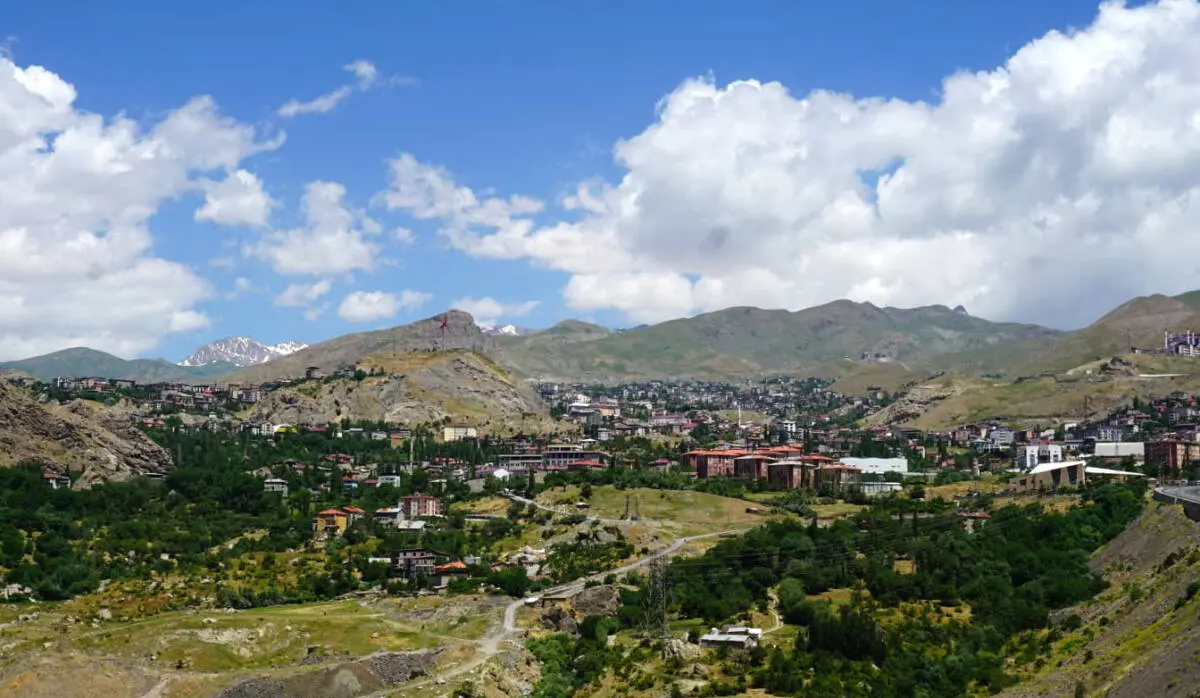
Şakiro: the intellectual from the East
A 48-year-old man from Turkey’s Kurdish-majority east, he works at his cultural center: “Is there enough freedom to tell this story? No”
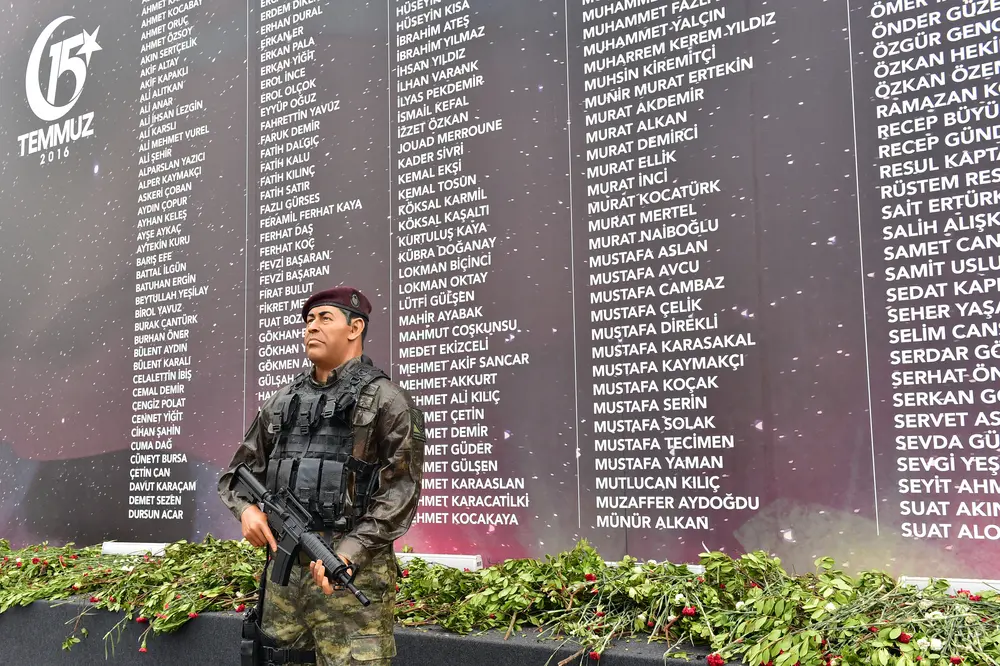
Sabahattin, the Gazî of the Turkish state
Sabahattin, 46 years old president of the Veterans and Martyrs’ Families Foundation, recalls: “Allah commanded us to protect the state against any aggression”
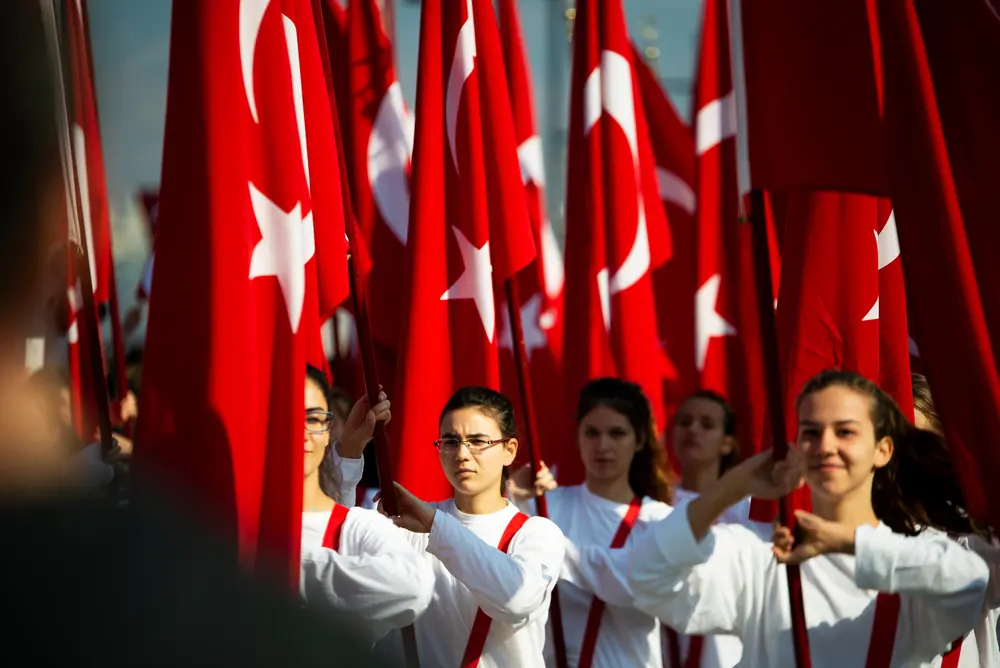
Melis: the lawyer from white Turkey
A 26-year-old woman in today’s Turkey: “There is a strong tradition of disobedience, we must regain our independence”
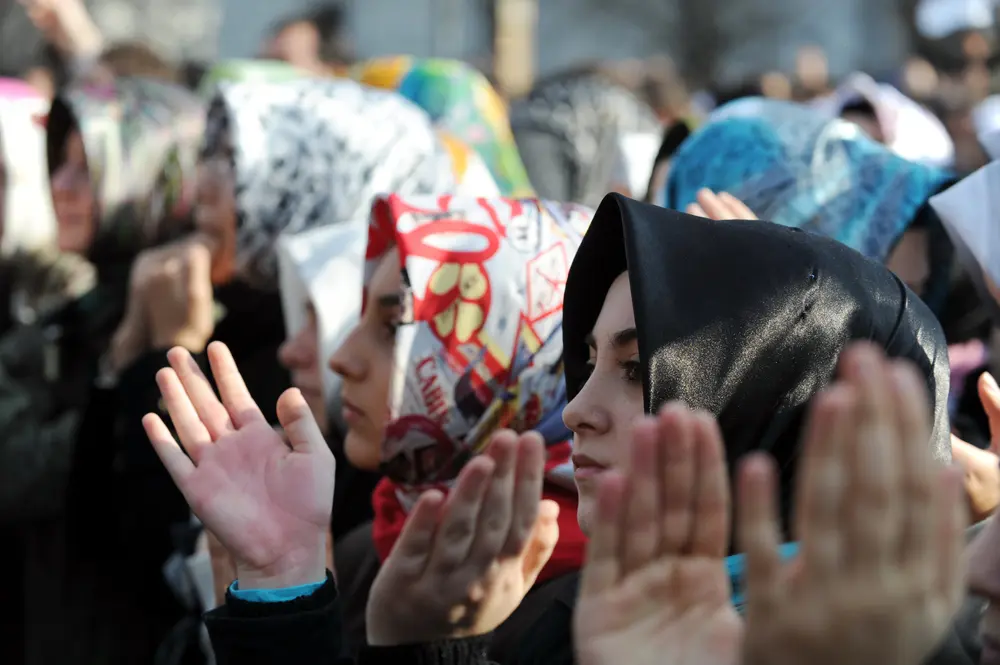
Kübra: the president’s rebellious daughter
A 36-year-old from Istanbul, Kübra is a “raised and born activist” for Havle, a Muslim feminist association. She does not support Erdoğan, but states that the success of the coup “would have set the country back 20 years”