
Why does Moldova rank better than Romania in terms of press freedom?
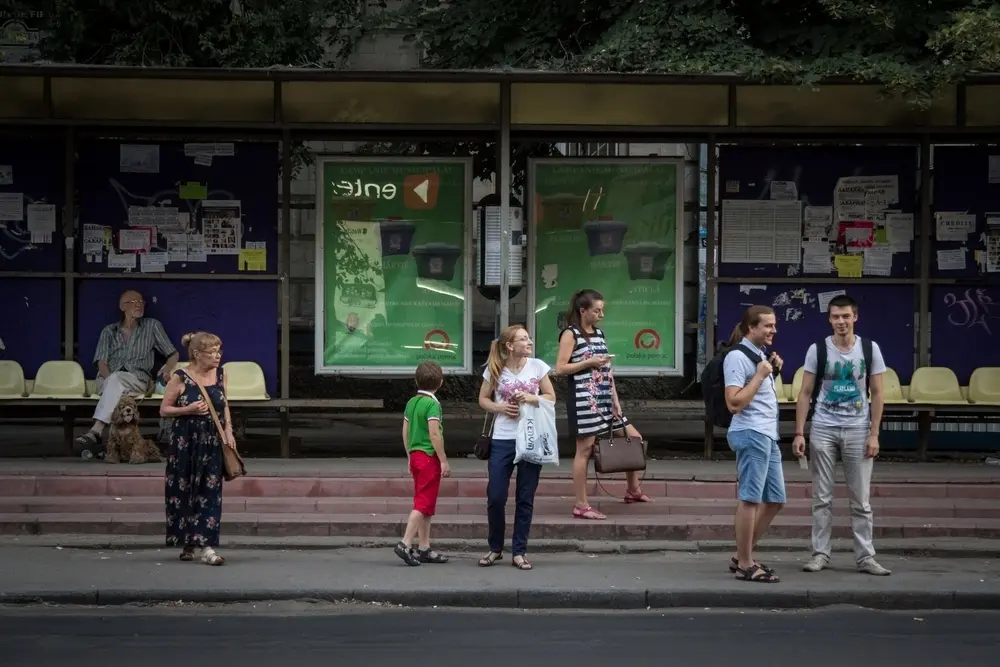
Bus stop in Chisinau © BalkansCat/Shutterstock
Bus stop in Chisinau © BalkansCat/Shutterstock
ActiveWatch conducted a comparative analysis of Romania and Moldova, explaining the differences in the two countries’ performance in the Reporters Without Borders Press Freedom Index This is a digest of our project partner ActiveWatch’ s findings. The full text of the analysis is available in English and Romanian on their website
Over the past several years, Romania and the Republic of Moldova have witnessed a remarkable reversal in their media freedom rankings according to Reporters Without Borders (RSF). In 2021, Romania held a clear lead, ranking 48th, while Moldova trailed significantly at 91st place with.
However, 2022 marked a pivotal turning point that fundamentally shifted the dynamic between these two neighboring states, when Moldova climbed to 40th position of the RSF index. This dramatic improvement was tied to Chișinău’s leadership’s decision to firmly embraced the country’s European path.
In the same year, Romania began a steady decline, dropping to 56th. The main reason for this drop was the massive increases in public subsidies for political parties introduced by the PSD–PNL coalition government. These funds, ActiveWatch’s researchers note, were implicitly channeled toward media institutions for political propaganda purposes, distorting the media market and eroding editorial independence and press credibility.
By 2026, the gap had widened considerably in Moldova’s favor. Romania ranked 49th, while Moldova surged ahead to 31st place, a complete inversion of their 2021 relationship.
In 2021, in Moldova, thirteen of the top twenty television stations by audience were owned or controlled by politicians or parties that had held power in recent years. Five years later, however, the RSF 2026 Index describes a media landscape that, while still polarized between pro-Russian and pro-European camps, has seen diminishing oligarchic influence on editorial agendas. Specifically, the Audiovisual Council’s regulatory measures against disinformation and hate speech managed to successfully reduce the reach of media outlets propagating pro-Russian narratives.
One chapter where Moldova has consistently outperformed Romania is the legislative framework. The country adopted strategic documents dedicated to media development in both 2018 and 2023, each accompanied by detailed action plans. Notably, these regulations were already tested in real electoral contexts, including the 2024 presidential elections and the 2025 parliamentary elections. These experiences demonstrated how Moldovan authorities cooperated effectively with the European Commission, CSOs, and independent press to counter disinformation and protect the electoral process. Analysis from ActiveWatch further supports this finding, noting that Moldova offers a friendlier regulatory framework for media than Romania.
The broader context for Moldova’s progress lies in its EU accession process. This integration journey created additional pressure on Chisinau’s authorities to adopt reforms compatible with European regulatory standards. To be sure, the result was the creation of institutional mechanisms and public strategies dedicated to legislative harmonization, measures that appear to be bearing fruit in tangible improvements to media freedom.
Tag: MAAM
This publication is the result of activities carried out within Media Advocacy Action for Moldova: Empowering Moldova’s Public Watchdogs to Safeguard Media Freedom, a project co-funded by the CEI Fund of the European Bank for Reconstruction and Development (EBRD), with the contribution of the Italian Ministry of Foreign Affairs and International Cooperation. All opinions expressed represent the views of their author and not those of the co-funding institutions.