
Bulgaria | |
Bulgaria: the anti-immigration wall
24/07/2014, Redazione
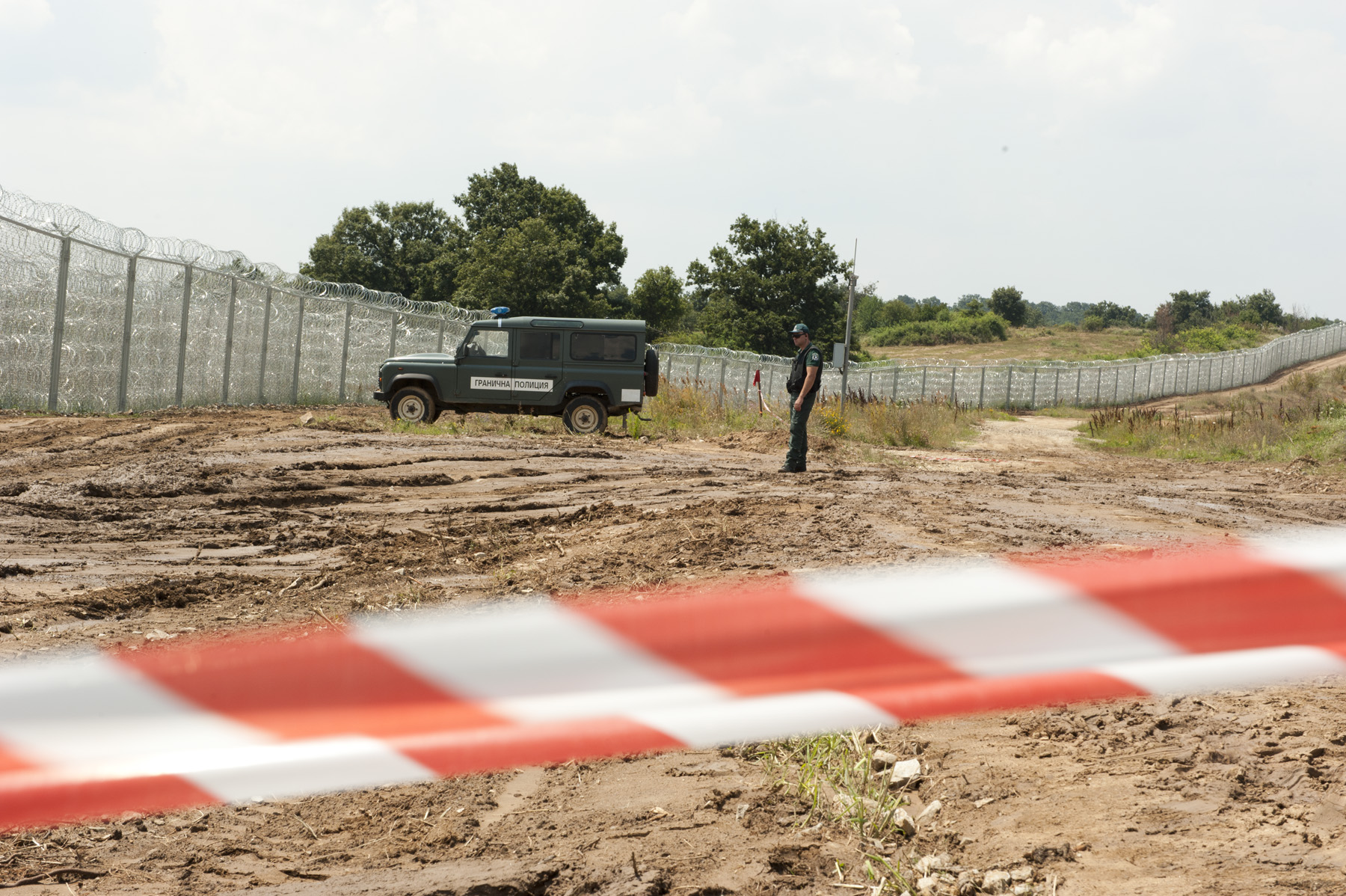
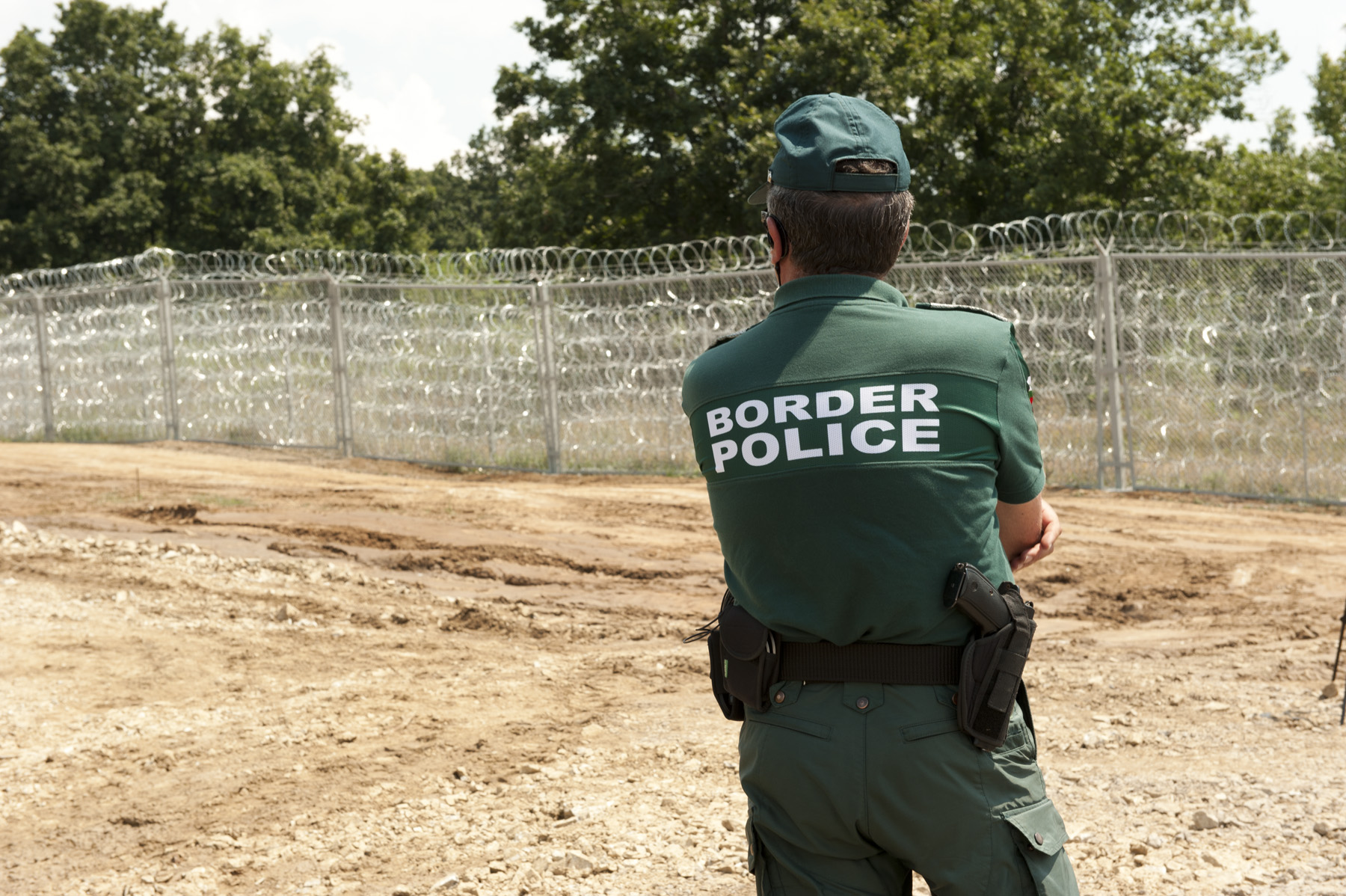
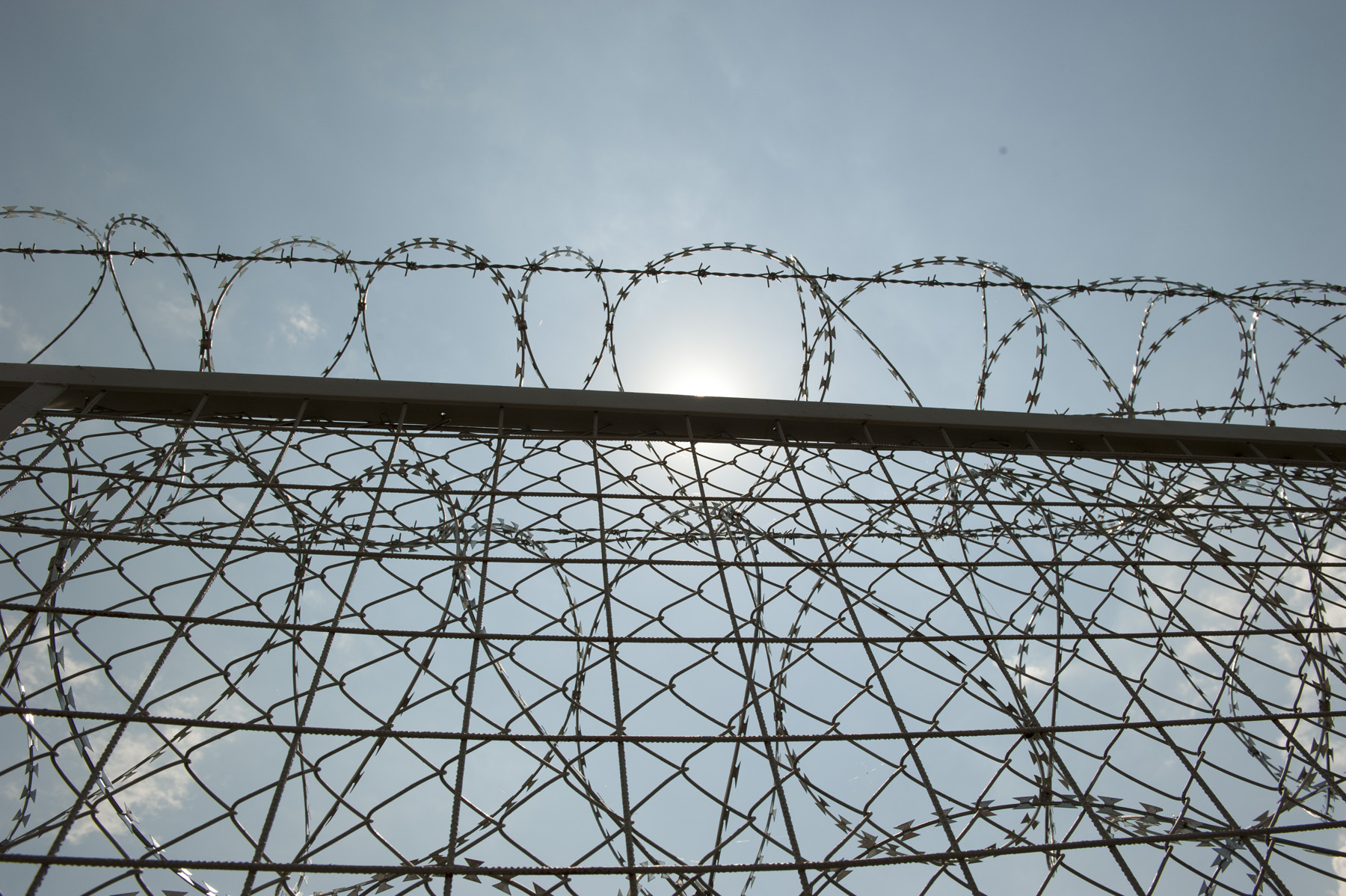
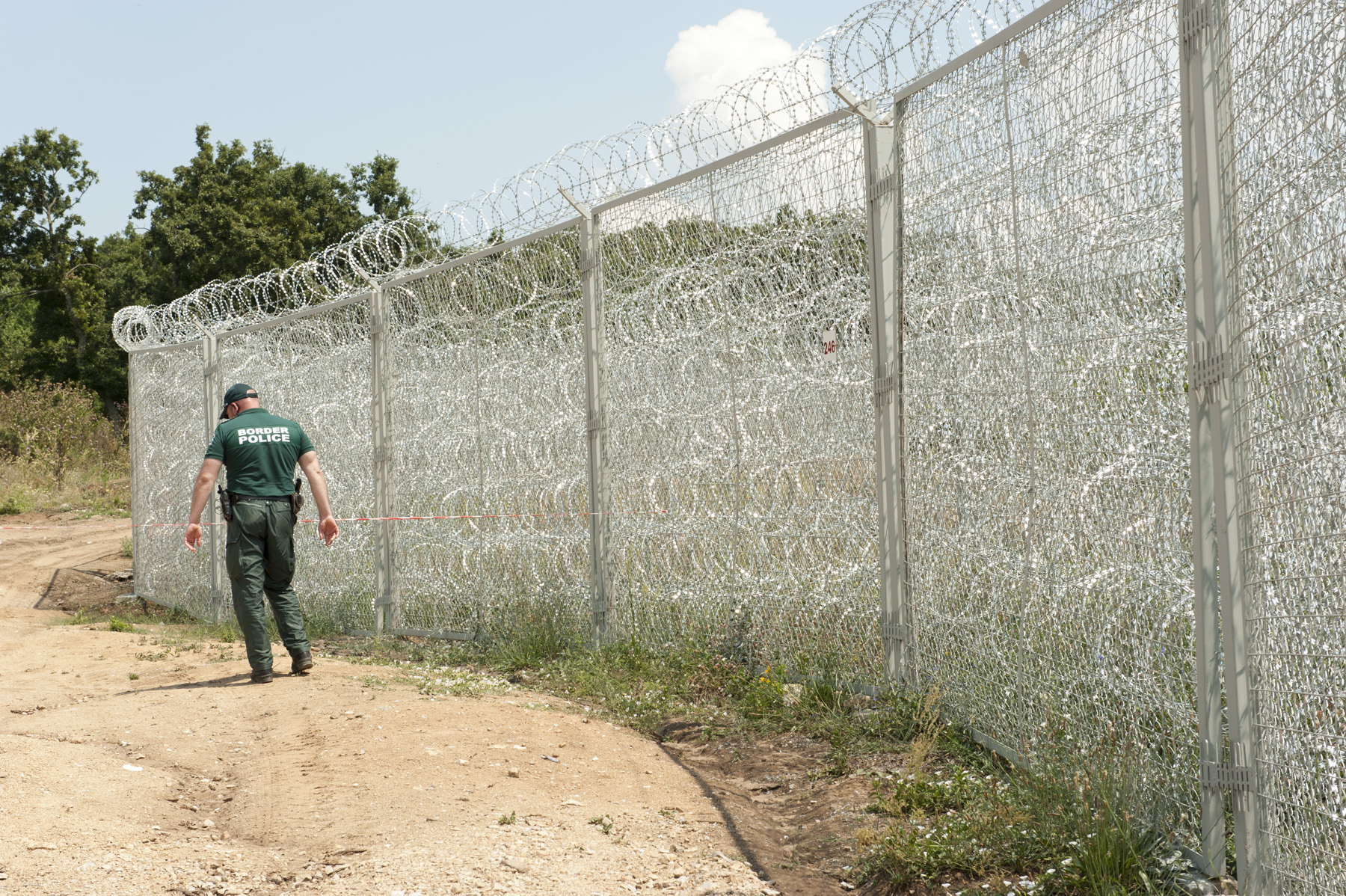
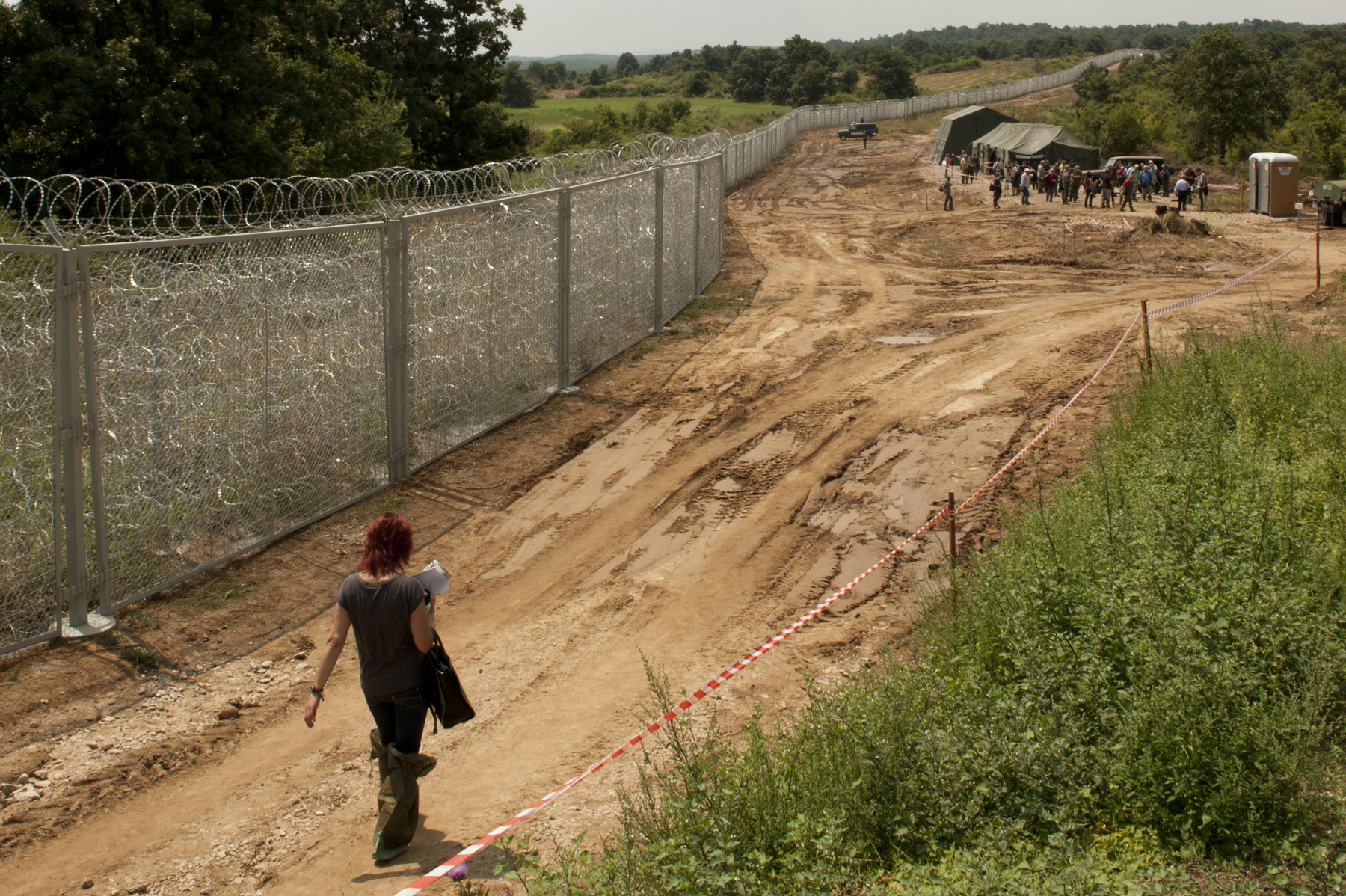
The government in Sofia presented the "technical barrier" on the Bulgarian-Turkish border: 30 kilometres of net and barbed wire that should contain the flow of refugees and asylum seekers
A photo-report by OBC – images and text by Francesco Martino

muro_1
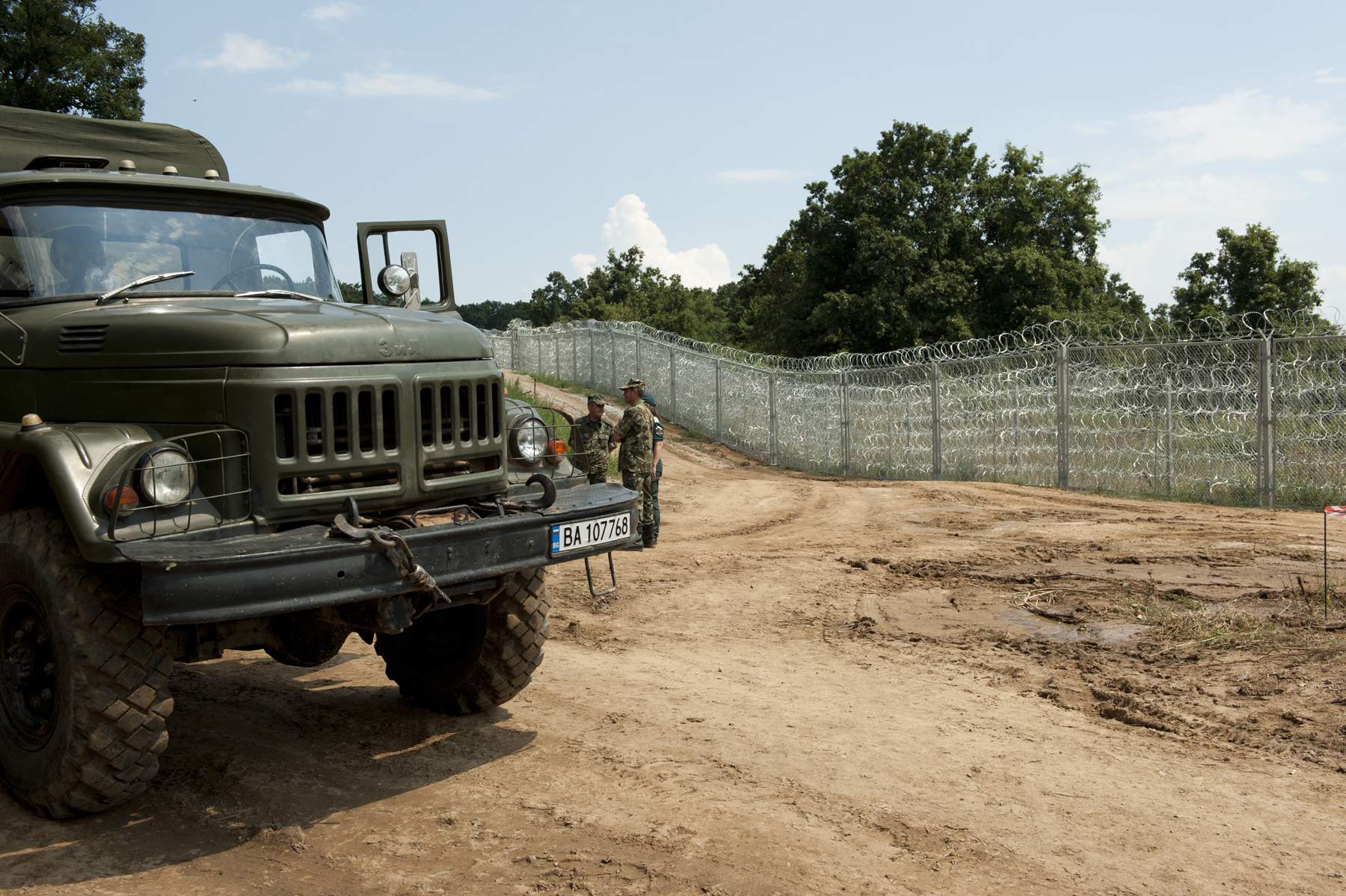
"This [barrier] is an infrastructure that aims to prevent illegal immigration across the border. The goal is not to prevent the entry of asylum seekers, but to convey the flow towards border crossings". With these words, on July 17th, Bulgarian Minister of Defence Angel Naydenov introduced journalists to the 30-kilometres wall erected in recent months at the border with Turkey – the external border of the EU
muro_7
The barrier, net and barbed wire rising to about three meters, was raised in the section of the border more difficult to patrol, marked by mountainous terrain and dense woods
muro_3
In 2014, Bulgaria was caught unprepared by the arrival of about 10,000 refugees, mainly from war-torn Syria. To curb arrivals, Sofia first deployed about a thousand agents on the border, and then announced plans to erect a barrier, following the example of neighbouring Greece
muro_4
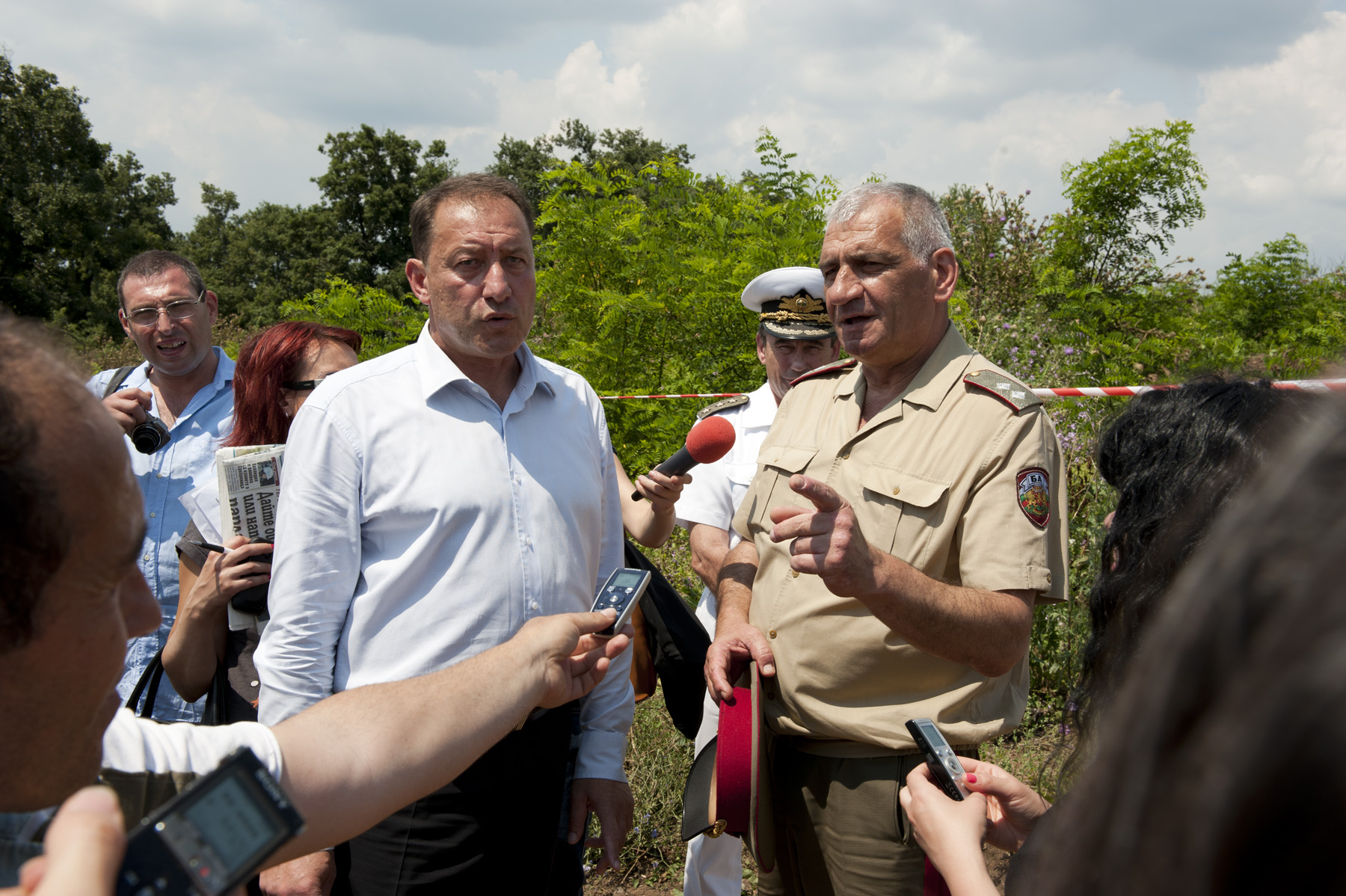
"Do not ask me why the cost of the works has risen from 5 to 7.7 million leva [2.5 to 3.8 million Euros]. The project was designed by the Ministry of the Interior, the Ministry of Defence only implemented it", Minister Naydenov told reporters [on the left in the pictured]. The controversy on ever-growing costs, however, has not subsided
muro_2
Despite government assurances, concerns remain about Bulgaria violating asylum seekers' rights, including violent rejections and failure to provide basic aid.
muro_5
In the meantime, the Bulgarian Agency for Refugees has registered a new increase in arrivals. If in March and April 340 new asylum applications were submitted, in May and June the number reached about 650. According to experts of the agency, this year the number of asylum applications should reach 7,000
muro_6
New arrivals create moments of tension. In mid-July, the attempt to move 50 refugees from the "Voenna Rampa" centre, Sofia, to the Harmanli camp, in order to make way for new refugees, sparked the protest. According to the refugees who reject the transfer, the renewed stress would affect the more tired, vulnerable subjects
muro_9
The Bulgarian Refugees Agency said that Germany wants to send back to Bulgaria some 3,000 refugees, in the frame of the Dublin Agreement. The news, unwelcomed by Sofia, expecting a greater European solidarity in the management of the crisis, was denied by Berlin