
| |
Refugees welcome: the Belgrade solidarity
08/10/2015, Redazione
The trail of migrants and refugees from the Serbian capital to the Opatovac camp in Croatia. Photo, text: @AORossini



Belgrado-solidale-con-i-profughi-1
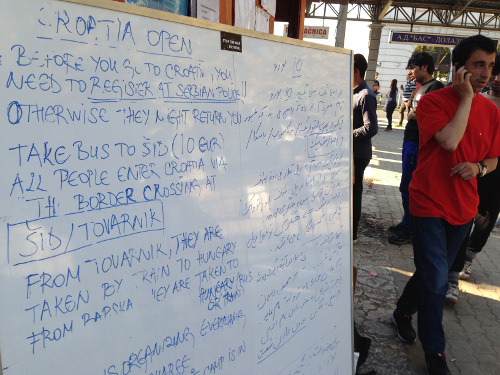
At the bus station, where the coaches from Preševo arrive, the Belgrade volunteers have set up an Info Point providing migrants and refugees with all the information needed for their journey towards the EU. There are translators from Arabic and Farsi
Remar
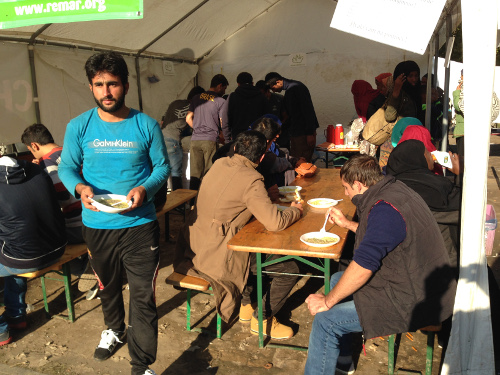
The ngo Remar, in the park close to the bus station, provides a few hundred meals each day to migrants and refugees. Volunteers in the park do their best, but there are no showers and the few chemical toilets are in appaling conditions
Tents-1
In the two parks close to the bus station there are dozens of tents. In the last few days the flow of refugees to Belgrade has slightly diminished. Who needs help, or money transfers, stops in the Serbian capital, while the majority of people from Preševo head directly to the border with Croatia
Miksaliste
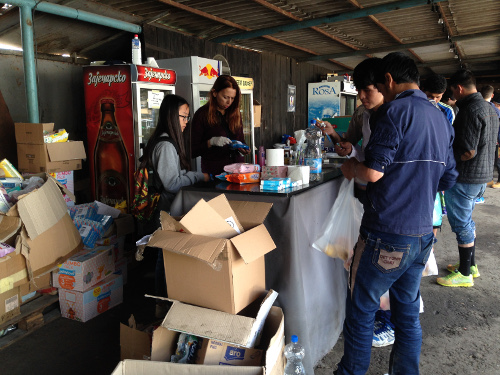
The "Miksalište" centre, in Mostarska 5, not far from the bus station. There is food, clothes, a safe corner for children and doctors. It is entirely managed by volunteers
On-the-road
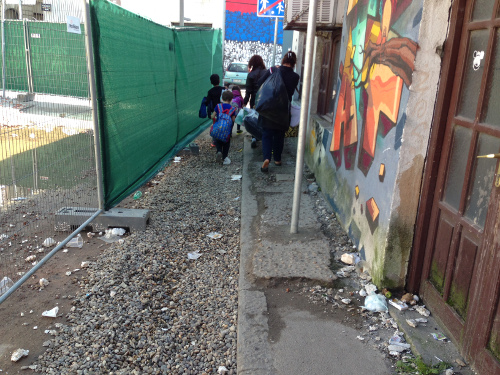
A Syrian family with children leaves the Miksalište centre. They need to find 10 euro each to continue their journey to Croatia. The most difficult moment, they say, was crossing the sea on a dinghy, between Turkey and Greece
Sid
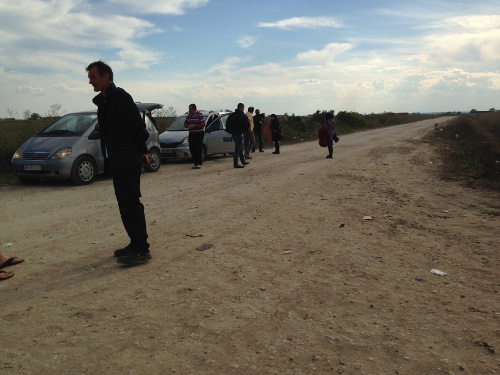
Migrants and refugees can enter Croatia through two crossings close to the Šid-Tovarnik border. In the first one, migrants arrive on foot or with a taxi in a place in the middle of the countryside. Volunteers give directions. The majority goes to Berkasovo, where buses from Presevo and Belgrade arrive. The journey from Belgrade to Berkasovo costs 10 euros
Verso-la-Croazia
Some hundred meters away from the Šid-Tovarnik border, refugees go through corn fields to enter Croatia. Police watches from the distance
Berkasovo
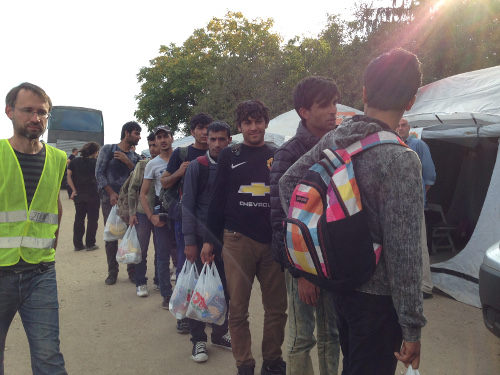
A bus with dozens of refugees arrives in Berkasovo. Volunteers accompany them to the point where they will be able to enter Croatia. On the Croatian side, police brings them to the Opatovac camp
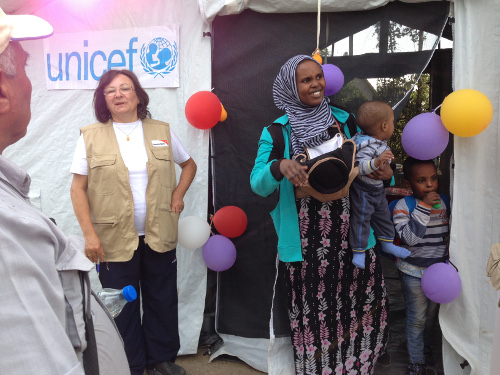
Unicef
A Unicef tent in Berkasovo
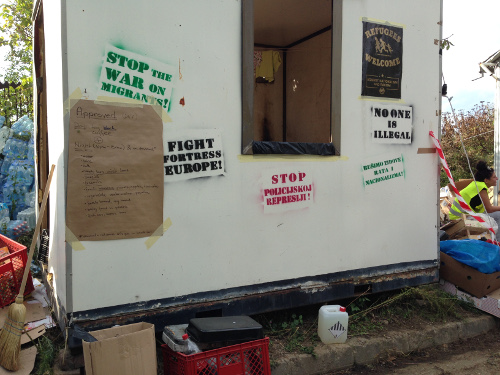
Solidarieta
European solidarity groups arrived in Berkasovo before international organizations. Many volunteers come from the Czech Republic
Opatovac
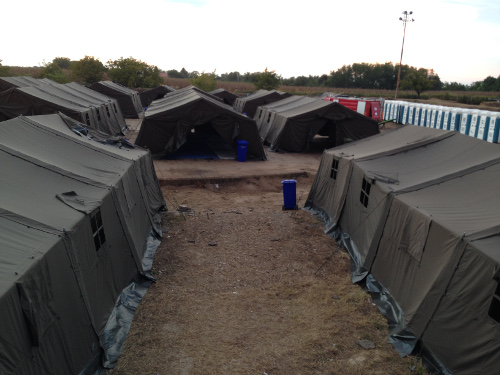
The Opatovac camp can host up to 4,000 people. Refugees stay in the camp only a few hours. After being identified, they are accompanied to the Hungarian border at Baranjsko-Petrovo Selo, with buses, or by train to Botovo
110.000
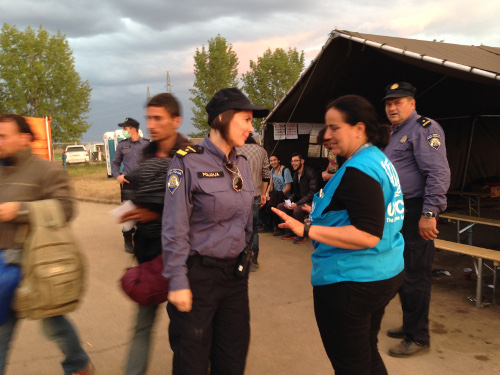
The Opatovac identification camp is managed by the Croatian Ministry of Interior. According to the UNHCR, conditions in the camp are good, having improved a lot since the beginning of the crisis. Every day, between 3,000 and 5,000 people go through the camp. In the last 15 days, some 110,000 people have crossed Croatia
Missing
Some families where divided during the journey. The Red Cross has an information point in the Opatovac camp to help them reunite
Towards-Hungary
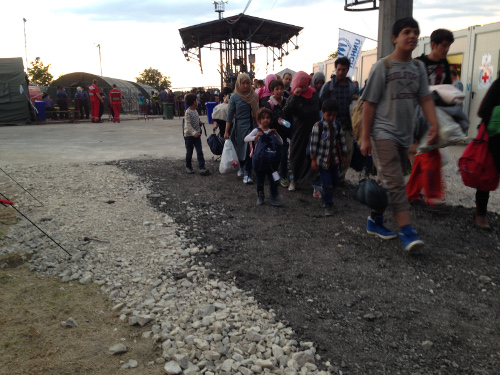
The line of refugees exiting the camp to continue their journey. Many of those interviewed say they want to go to Germany