Kosovo unblocks institutions after a one-year crisis

With the new Assembly and government, Kosovo aims to recover the delays of the past year. Political analysts are calling on the new executive to focus on improving relations with international allies, while the business sector has requested policies in favour of the private sector
17/02/2026, Mehmet Krasniqi Pristina
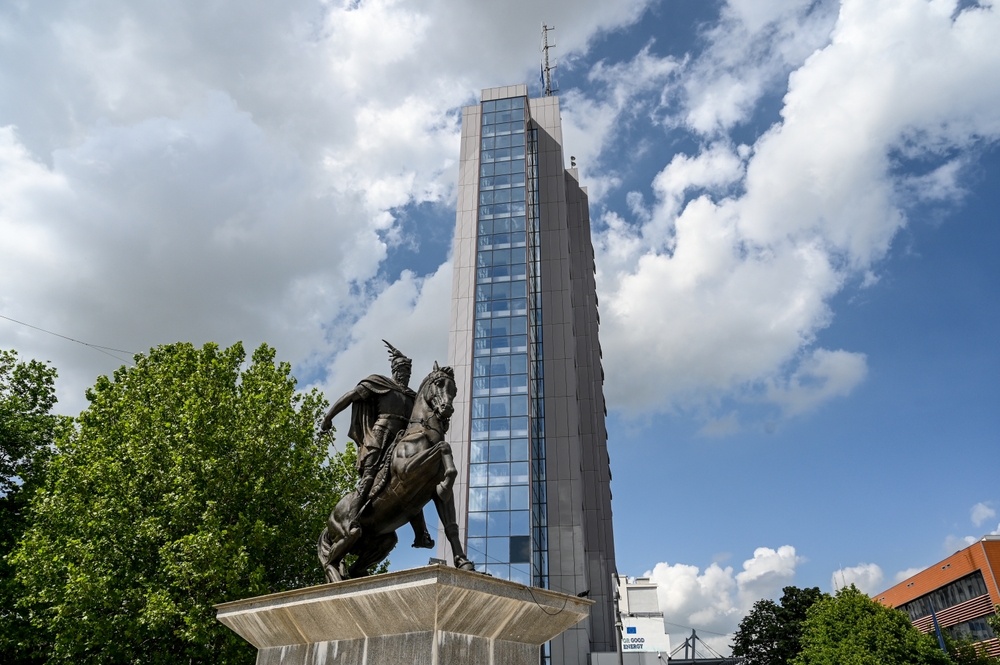
Pristina © Ajdin Kamber/Shutterstock

Pristina,,Kosovo,,20,May,2024:,The,Building,Of,The,Government

Pristina © Ajdin Kamber/Shutterstock

Kosovo has formed its new institutions following the snap parliamentary elections held in December 2025.

Thus, Europe’s youngest state has put an end to the political crisis after nearly a year with a caretaker government and an almost entirely dysfunctional parliament.

After failing to secure enough votes in the February 2025 elections to form a government, the Self-Determination Movement (LVV) achieved a convincing victory in December’s elections, with 51.1% of the vote and 57 seats.

On Wednesday, 11 February, Kosovo’s new Assembly was constituted and the new government was voted in, with Albin Kurti at its head. Former Minister of Justice, Albulena Haxhiu, was elected Speaker of Parliament, while five deputy speakers were also elected, including one from the Serb community.

About three hours later, in another extraordinary session, the Assembly elected the composition of the new government. Sixty-six MPs voted in favor of Kurti’s cabinet, 49 voted against, and there were no abstentions.

His cabinet will consist of 19 ministries, four more than the cabinet of 2021. Kurti increased the number of ministries despite previously promising to reduce them in the name of efficiency and lower costs.

Commitments for the next four years

During his address to MPs, Kurti promised investments in the manufacturing industry, social welfare, and national defense. For defense, he said one billion euros would be invested.

“Kosovo is more democratic and safer than ever before. Kosovo has aligned itself with peace, justice, and its democratic allies. Our alliance with the EU, the US, and friendly countries will not waver, because this cooperation is not a strategy — it is a value,” Kurti said.

Regarding the normalization of relations with Serbia, Kurti said it would be pursued through “constructive and creative” dialogue, based on the Brussels Basic Agreement and the Ohrid Implementation Annex.

But, as we have acted over the past four years, normalization concerns regulating relations between two states — therefore a bilateral and external matter, not interference or involvement in internal affairs. The government will defend and implement the constitution and laws in force in every part of the country,” Kurti stated.

In his third mandate, Kurti announced, justice reform will enter its decisive phase. “The fight against corruption will continue and the law will be enforced without fear or favor throughout the republic,” Kurti emphasized.

Unlocking hundreds of millions of euros

Among the first decisions of the new Assembly composition was the ratification of five international agreements worth a total of one billion euros. These include two agreements with the European Union, known as the “Growth Plan,” worth €882 million. From this EU package for the Western Balkans, Kosovo will receive €253 million in grants and €629 million in loans.

Additionally, three agreements with the World Bank worth about €120 million in total were ratified, including a €90 million zero-interest loan whose deadline would have expired on the very day it was approved.

Expectations from the new government

The plan that Prime Minister Albin Kurti presented to the deputies is considered very ambitious by political analyst Melazim Koci, who is not certain that all those commitments can be fulfilled.

However, on the domestic front, according to Koci, the new government should focus on attracting foreign investment.

“There has been no foreign investment in the past four years, except for investments made by our diaspora. This is not enough. Kosovo must create conditions for foreign investors — favorable conditions that would be attractive to foreign capital — because without this, Kosovo cannot achieve a high rate of economic development,” Koci assesses for OBCT.

Representatives of businesses and economic organizations that are part of the Private Sector Forum are seeking concrete support from the government for drafting policies that directly help the development of this sector.

This recently established forum is led by the Oda Ekonomike e Kosovës (OEK), which, through its chairman Lulzim Rafuna, assesses for OBCT that the functioning of the new institutions is an important step for the economy.

“Our demands relate to the need for deep reforms to make Kosovo a more business-friendly country, and for our diplomacy to work with friendly states to restore relations as we previously had them — which would also have a direct impact on improving Kosovo’s image in the international arena,” Rafuna argues.

Foreign policy

On the international level, according to Koci, the new government’s priority should be repairing relations with the international community.

“Kosovo’s advancement in Euro-Atlantic structures depends on relations with the United States, and we have received several signals from Washington that due to actions on the domestic front, the partnership has been affected; other concerns have also been mentioned. I believe the first task of the new government should be to repair relations and raise them with our Euro-Atlantic partners, especially with the United States, to the highest possible level,” says Koci.

He adds that the possibility of improving relations with the U.S. has been signaled by the administration of Donald Trump through the decision for Kosovo to be one of the founding countries of the “Peace Board.”

“With this, Washington has made it clear that it considers Kosovo a functional state, a strategic partner in the Balkans, and a country that should be included in international organizations. In this initiative, North Macedonia, Serbia, Bosnia and Herzegovina, and Montenegro are not invited. This shows that the United States has Kosovo as a priority in the Balkans, and Kosovo should appreciate this U.S. position,” Koci concludes.

The next challenge for Kosovo is the election of the President, who, if not elected by March 5, could lead the country once again to early parliamentary elections.
Kosovo unblocks institutions after a one-year crisis

With the new Assembly and government, Kosovo aims to recover the delays of the past year. Political analysts are calling on the new executive to focus on improving relations with international allies, while the business sector has requested policies in favour of the private sector

17/02/2026, Mehmet Krasniqi Pristina
Pristina © Ajdin Kamber/Shutterstock

Pristina,,Kosovo,,20,May,2024:,The,Building,Of,The,Government

Pristina © Ajdin Kamber/Shutterstock

Kosovo has formed its new institutions following the snap parliamentary elections held in December 2025.

Thus, Europe’s youngest state has put an end to the political crisis after nearly a year with a caretaker government and an almost entirely dysfunctional parliament.

After failing to secure enough votes in the February 2025 elections to form a government, the Self-Determination Movement (LVV) achieved a convincing victory in December’s elections, with 51.1% of the vote and 57 seats.

On Wednesday, 11 February, Kosovo’s new Assembly was constituted and the new government was voted in, with Albin Kurti at its head. Former Minister of Justice, Albulena Haxhiu, was elected Speaker of Parliament, while five deputy speakers were also elected, including one from the Serb community.

About three hours later, in another extraordinary session, the Assembly elected the composition of the new government. Sixty-six MPs voted in favor of Kurti’s cabinet, 49 voted against, and there were no abstentions.

His cabinet will consist of 19 ministries, four more than the cabinet of 2021. Kurti increased the number of ministries despite previously promising to reduce them in the name of efficiency and lower costs.

Commitments for the next four years

During his address to MPs, Kurti promised investments in the manufacturing industry, social welfare, and national defense. For defense, he said one billion euros would be invested.

“Kosovo is more democratic and safer than ever before. Kosovo has aligned itself with peace, justice, and its democratic allies. Our alliance with the EU, the US, and friendly countries will not waver, because this cooperation is not a strategy — it is a value,” Kurti said.

Regarding the normalization of relations with Serbia, Kurti said it would be pursued through “constructive and creative” dialogue, based on the Brussels Basic Agreement and the Ohrid Implementation Annex.

But, as we have acted over the past four years, normalization concerns regulating relations between two states — therefore a bilateral and external matter, not interference or involvement in internal affairs. The government will defend and implement the constitution and laws in force in every part of the country,” Kurti stated.

In his third mandate, Kurti announced, justice reform will enter its decisive phase. “The fight against corruption will continue and the law will be enforced without fear or favor throughout the republic,” Kurti emphasized.

Unlocking hundreds of millions of euros

Among the first decisions of the new Assembly composition was the ratification of five international agreements worth a total of one billion euros. These include two agreements with the European Union, known as the “Growth Plan,” worth €882 million. From this EU package for the Western Balkans, Kosovo will receive €253 million in grants and €629 million in loans.

Additionally, three agreements with the World Bank worth about €120 million in total were ratified, including a €90 million zero-interest loan whose deadline would have expired on the very day it was approved.

Expectations from the new government

The plan that Prime Minister Albin Kurti presented to the deputies is considered very ambitious by political analyst Melazim Koci, who is not certain that all those commitments can be fulfilled.

However, on the domestic front, according to Koci, the new government should focus on attracting foreign investment.

“There has been no foreign investment in the past four years, except for investments made by our diaspora. This is not enough. Kosovo must create conditions for foreign investors — favorable conditions that would be attractive to foreign capital — because without this, Kosovo cannot achieve a high rate of economic development,” Koci assesses for OBCT.

Representatives of businesses and economic organizations that are part of the Private Sector Forum are seeking concrete support from the government for drafting policies that directly help the development of this sector.

This recently established forum is led by the Oda Ekonomike e Kosovës (OEK), which, through its chairman Lulzim Rafuna, assesses for OBCT that the functioning of the new institutions is an important step for the economy.

“Our demands relate to the need for deep reforms to make Kosovo a more business-friendly country, and for our diplomacy to work with friendly states to restore relations as we previously had them — which would also have a direct impact on improving Kosovo’s image in the international arena,” Rafuna argues.

Foreign policy

On the international level, according to Koci, the new government’s priority should be repairing relations with the international community.

“Kosovo’s advancement in Euro-Atlantic structures depends on relations with the United States, and we have received several signals from Washington that due to actions on the domestic front, the partnership has been affected; other concerns have also been mentioned. I believe the first task of the new government should be to repair relations and raise them with our Euro-Atlantic partners, especially with the United States, to the highest possible level,” says Koci.

He adds that the possibility of improving relations with the U.S. has been signaled by the administration of Donald Trump through the decision for Kosovo to be one of the founding countries of the “Peace Board.”

“With this, Washington has made it clear that it considers Kosovo a functional state, a strategic partner in the Balkans, and a country that should be included in international organizations. In this initiative, North Macedonia, Serbia, Bosnia and Herzegovina, and Montenegro are not invited. This shows that the United States has Kosovo as a priority in the Balkans, and Kosovo should appreciate this U.S. position,” Koci concludes.

The next challenge for Kosovo is the election of the President, who, if not elected by March 5, could lead the country once again to early parliamentary elections.
Comment and share

OBCT's Newsletter

To your inbox every two weeks