Kosovo: millions for the army
The Kurti government has decided to invest one billion euros to transform the Kosovo Security Force into a fully-fledged army, capable of interacting with NATO forces in an increasingly tense regional situation
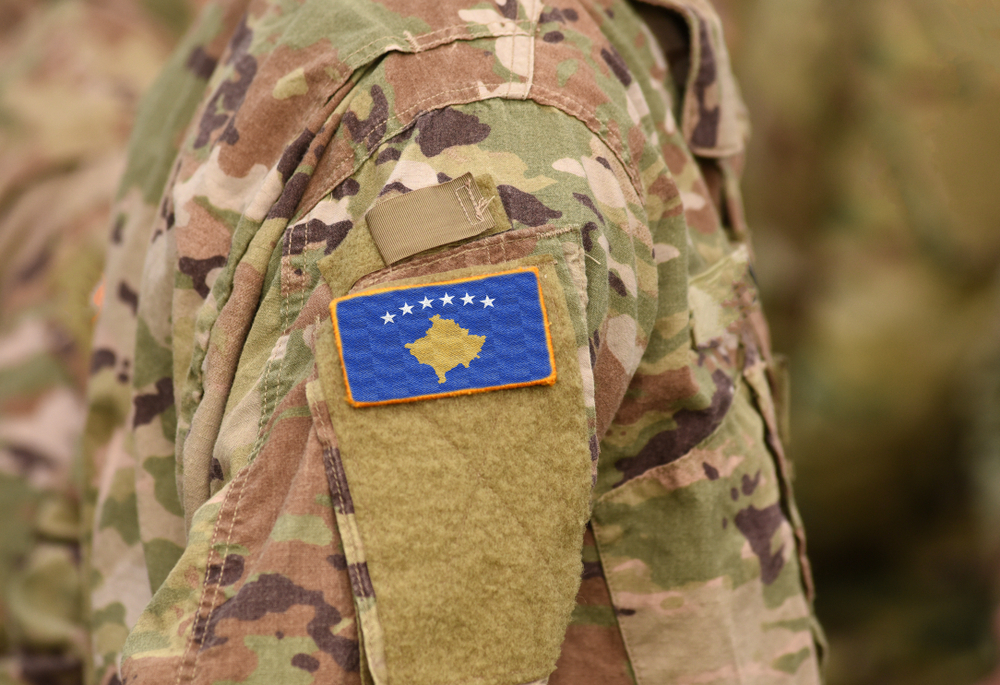
shutterstock_1239358405
Kosovo Security Force © Bumble Dee/Shutterstock
In the municipality of Gjakova, in the western part of Kosovo and only 90 kilometers from Pristina, the first ammunition factory will be built under the umbrella of the Kosovo Security Force.
Kosovo’s Prime Minister, Albin Kurti, signed the agreement in December 2024 with the Turkish state-owned defense manufacturer Machinery and Chemical Industry (MKE). He said that this factory will give Kosovo the opportunity to produce ammunition according to NATO standards.
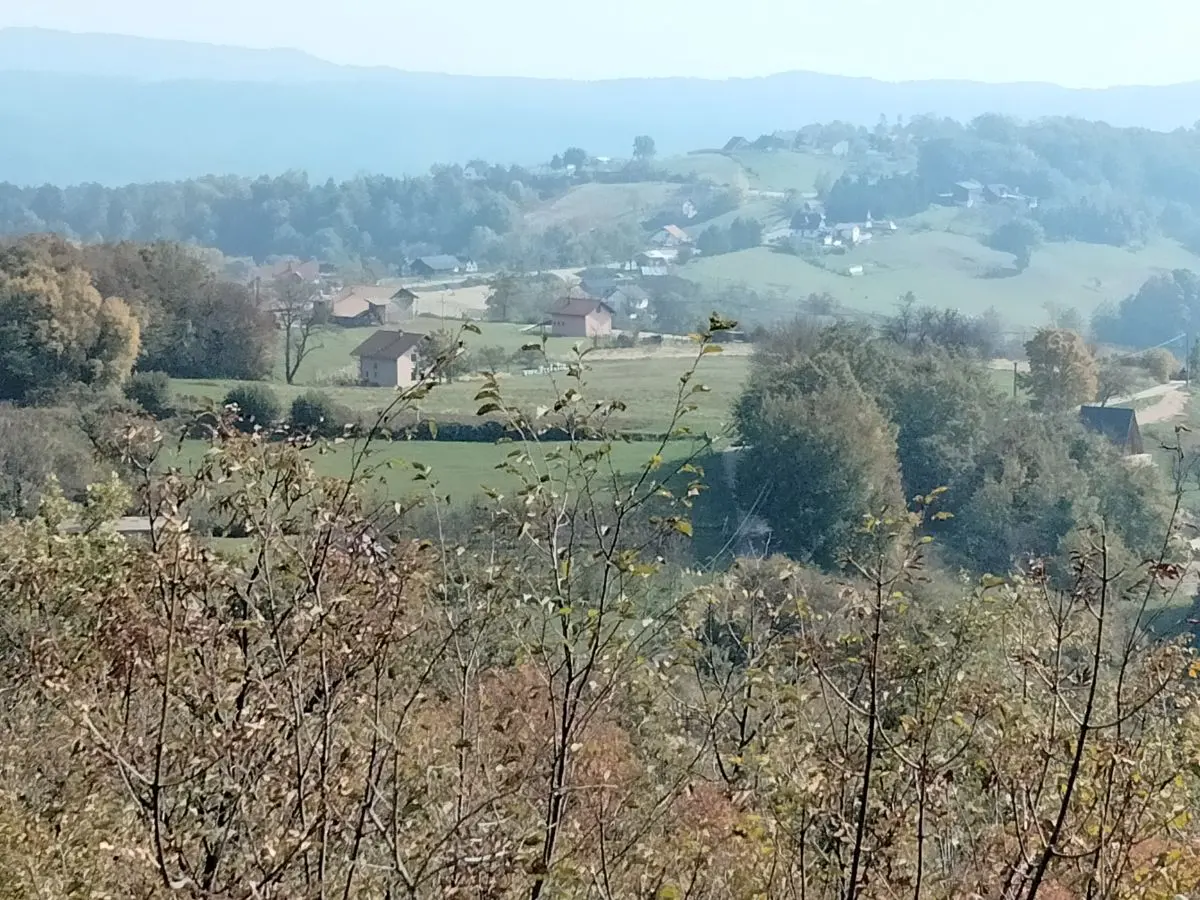
However in Jahoc – the village where the factory will be located – little is known about it. Talking to OBCT, inhabitants said that they had only heard the news on TV and have not seen any recent developments.
“We haven’t seen anything happening in our municipality or in our village, but we expect it to be far from the zones where people live,” said A.M..
Officials from the Kosovo Security Force told OBCT that, for security reasons and due to project management considerations, the technical details and internal phases of implementation are not commented on.
Ever since the war in Ukraine started, as well as the 2023 attack in the village of Banjska in northern Kosovo, where one Kosovo police officer was killed in clashes with an armed group from Serbia, Kosovo authorities have maintained that the region faces threats from Serbia.
To prevent any dangers to the country, they say, it is important for the Kosovo Security Force to become strong. Therefore, investment in military capacity will continue.
Prime Minister Albin Kurti has promised an investment of up to 1 billion euros over the next four years, in addition to over 400 million euros invested in the past five years of his term in government.
The partnership with the U.S. and NATO
Experts highlight the strategic importance of Kosovo’s partnership with the United States and the need to complement NATO efforts. Military analysts and academics in both the U.S. and Kosovo have weighed in on how the Kosovar government is aligning its defense policies with NATO and its closest ally in Washington, emphasizing coordination, capability development, and regional stability.
“The Russian war in Ukraine has permanently altered regional security in the Western Balkans by reinforcing that modern defense planning isn’t only about headline platforms,” said Chris Dolan, an academic and expert working on defense resilience, critical infrastructure, and cybersecurity in and around Kosovo.
However, according to Dolan, capability expansion can raise risks of misperception in a tense environment between Kosovo and Serbia.
“Rapid capability build-up for Kosovo can raise escalation risks with Serbia if messaging isn’t disciplined. Pristina needs sustained and consistent messaging. The keys are transparency, defensive framing, and NATO/KFOR interoperability to reduce misperception. Kosovo’s goal should be to build its defense capabilities for NATO interoperability and membership, regional stability, and integration with the West,” Dolan told OBCT.
Dolan, who advocated for Kosovo to have a security agreement with the U.S. similar to what the U.S. has with Ukraine and NATO allies Sweden, Finland, and Denmark, said that while a bilateral relationship with the U.S. could fluctuate over time, durable cooperation comes from consistent institutions and requires stable governance from Kosovo’s side.
Xhavit Gashi, retired Brigadier General and former diplomat in the U.S., says that Kosovo is on the right path, but “like any other state, the challenge is professionalism and long-term management.”
“Investment in defense must be sustainable, controlled, and integrated with NATO standards,” Gashi told OBCT, emphasizing that destabilizing rhetoric and actions by Serbia, including continued militarization and closer alignment with non-Western actors, create an environment that requires vigilance.
“The €1 billion investment is a clear message that Kosovo is not a consumer of security, but a contributor to stability,” he added.
Alongside investment in the military, the two experts talked about other important developments, such as the rise of the trilateral security compact between Kosovo, Albania, and Croatia, an event to which Serbia’s president Aleksandar Vučić raised concerns publicly qualifying it as a ‘special threat to security, territorial integrity and sovereignty.’
“Any bilateral framework should be designed to complement NATO and KFOR, not to replace multilateral structures,” Dolan told OBCT, adding that defense procurement coming from such cooperation is much easier and increases return on investment, but the pact is not a substitute for NATO.
In addition, the partnership with the United States is a strategic dimension for regional security. For example, according to Gashi – who also served as the consul of Kosovo in Iowa, said that the program with the Iowa National Guard is one of the greatest successes of military cooperation in the Balkans and one of the best and most successful examples among all the partnerships the United States has with other armed forces worldwide under the State Partnership Program.
Transforming the Kosovo Security Force into a proper army
Building a factory is one of the military investments that Kosovo is making in an effort to increase the capacities of the Kosovo Security Force.
Earlier in 2026, Kosovo received the latest shipment of OMTAS, an anti-tank missile system designed to neutralize modern armored vehicles as well as military defensive fortifications. Also, the US State Department has confirmed that Kosovo requested purchase of 246 Javelin missiles, planned to arrive next year.
The Kosovo Security Force (KSF) was established in 2009, a year after Kosovo declared independence. In 2018, the process known as the transformation of KSF into the more fully operational armed force began.
This ten-year plan aims to gradually expand KSF’s capabilities and align it with NATO standards by 2028. While the process enjoys broad support among Kosovo’s Albanian majority, it faces continues opposition from Serbian representatives in the Kosovo Assembly.
Tag: Defense