Kosovo calls early elections to break political stalemate

After seven months of political stalemate, and two failed attempts by Vetëvendosje to form a governing majority, Kosovo’s president has dissolved the parliament in Pristina. Voters will go to the polls on December 28
24/11/2025, Mehmet Krasniqi Pristina
© zmotions/Shutterstock

shutterstock_2529914153 (1)

© zmotions/Shutterstock

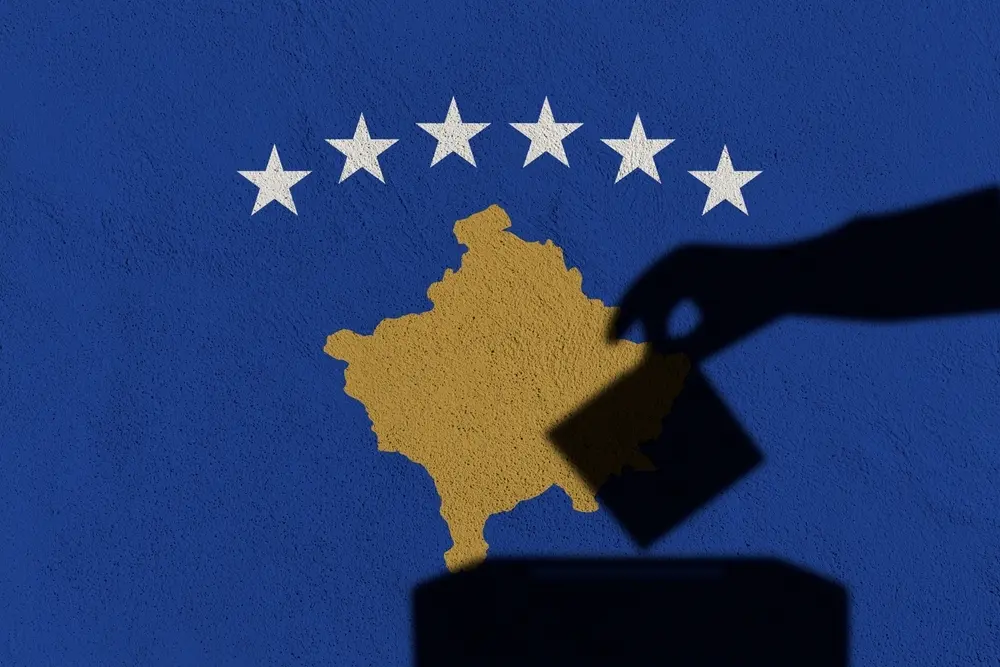
Kosovo has announced early parliamentary elections after failing to resolve a seven-month political crisis. The Assembly did not succeed, even on its second attempt, in electing the new government based on the results of the parliamentary elections held on 9 February 2025.

The second nominee proposed by the Vetëvendosje (LVV) Movement, Glauk Konjufca, failed on 19 November to secure a majority in the Assembly, receiving only 56 votes in favor, while 53 deputies voted against, and four abstained.

This was Vetëvendosje’s second attempt to form the government, following the failure of the first nominee, Albin Kurti, on 26 October.

The Constitution stipulates that if the second nominee also fails to form the government, the country’s president, Vjosa Osmani, must call new elections, which must be held within 40 days of the announcement.

Osmani signed the decree dissolving the ninth legislature of the Kosovo Assembly on 20 November, after meeting with the leaders of parliamentary parties. The head of state set 28 December as the date for holding the early elections.

28 December

After meeting representatives of political parties, President Osmani said that eight parties supported holding the elections on that date, five parties favored 21 December, and three parties stated that either date would be acceptable.

Vetëvendosje was among the parties that proposed 28 December, a period when a large part of Kosovo’s diaspora is present in the country for year-end holidays.

Osmani was asked whether she was “serving Vetëvendosje” by choosing 28 December, but she insisted that the date is in the interest of the state.

“The local elections have not yet concluded in terms of certification procedures. Before the start of the campaign, there are a series of actions that must take place – registration of parties and coalitions, certification of candidates, drawing of lots, and other steps. Moreover, at least two weeks are needed to enable voting from abroad, and under the law, citizens living outside the country must be offered at least 15 days to apply and register to vote,” Osmani said.

“Among these are also procurement procedures, and so on. Therefore, all of this practically makes 21 December impossible,” she added.

Where do political leaders stand?

The decision to set 28 December as the election date was welcomed by LVV leader Albin Kurti. “We must ensure that state institutions have enough time to make all necessary preparations so that the electoral process is orderly, fair, and democratic,” Kurti said.

Meanwhile, the new leader of the Democratic Party of Kosovo (PDK), Bedri Hamza, said he had requested an earlier date, arguing that it is essential for institutions to be formed as soon as possible.

“PDK, and I as its leader, have no red lines against any political party. This does not mean that we are not closer, in programmatic terms or potential cooperation, to parties that have been in opposition in the past,” Hamza said after his meeting with the President.

The head of the Democratic League of Kosovo (LDK), Lumir Abdixhiku, stated that the announcement of new elections opens a new chapter for the country.

“The 28 December elections are not simply about deciding who leads the government. These elections are about deciding who we are and who we want to be as a country – as a people, as a generation,” Abdixhiku said.

Unlike in previous elections, the leader of the Alliance for the Future of Kosovo (AAK), Ramush Haradinaj, said his party will run alone in the upcoming vote.

“After the next elections, we will act in the interest of the country,” Haradinaj said.

It remains unclear whether elections held three days before the New Year will be monitored by international organizations, as many of them are typically on holiday during this period.

Public dissatisfaction

According to political analyst Shenoll Muharremi, the inability to overcome the deadlock and the failure to reach consensus throughout most of the year may lead to lower voter turnout on 28 December compared with 9 February.

“People are disappointed and have lost faith in politics. In this regard, LVV would be hit the most. Why? Because parties such as PDK and LDK have returned to their foundations and are on an upward trend after their dramatic decline in 2021. LVV is the only party that is excessively inflated, or overvalued. Since 2021, its current support is significantly higher than its real strength,” Muharremi assessed.

Kosovo is heading toward new elections without an approved budget for 2026 and with doubts about how effective any eventual extension of the current budget might be.

This draft law was included in an extraordinary session called by LVV just hours before the vote on the “Konjufca” cabinet, but the session was boycotted by the other major parliamentary parties, which argued that it was unconstitutional.

The session also included several international agreements involving millions of euros in funding, which likewise were not addressed.

The 28 December vote will mark the fourth electoral process in Kosovo this year alone, following the parliamentary elections in February and the two rounds of local elections in October and November.

Kosovo calls early elections to break political stalemate

After seven months of political stalemate, and two failed attempts by Vetëvendosje to form a governing majority, Kosovo’s president has dissolved the parliament in Pristina. Voters will go to the polls on December 28

24/11/2025, Mehmet Krasniqi Pristina
© zmotions/Shutterstock

shutterstock_2529914153 (1)

© zmotions/Shutterstock

Kosovo has announced early parliamentary elections after failing to resolve a seven-month political crisis. The Assembly did not succeed, even on its second attempt, in electing the new government based on the results of the parliamentary elections held on 9 February 2025.

The second nominee proposed by the Vetëvendosje (LVV) Movement, Glauk Konjufca, failed on 19 November to secure a majority in the Assembly, receiving only 56 votes in favor, while 53 deputies voted against, and four abstained.

This was Vetëvendosje’s second attempt to form the government, following the failure of the first nominee, Albin Kurti, on 26 October.

The Constitution stipulates that if the second nominee also fails to form the government, the country’s president, Vjosa Osmani, must call new elections, which must be held within 40 days of the announcement.

Osmani signed the decree dissolving the ninth legislature of the Kosovo Assembly on 20 November, after meeting with the leaders of parliamentary parties. The head of state set 28 December as the date for holding the early elections.

28 December

After meeting representatives of political parties, President Osmani said that eight parties supported holding the elections on that date, five parties favored 21 December, and three parties stated that either date would be acceptable.

Vetëvendosje was among the parties that proposed 28 December, a period when a large part of Kosovo’s diaspora is present in the country for year-end holidays.

Osmani was asked whether she was “serving Vetëvendosje” by choosing 28 December, but she insisted that the date is in the interest of the state.

“The local elections have not yet concluded in terms of certification procedures. Before the start of the campaign, there are a series of actions that must take place – registration of parties and coalitions, certification of candidates, drawing of lots, and other steps. Moreover, at least two weeks are needed to enable voting from abroad, and under the law, citizens living outside the country must be offered at least 15 days to apply and register to vote,” Osmani said.

“Among these are also procurement procedures, and so on. Therefore, all of this practically makes 21 December impossible,” she added.

Where do political leaders stand?

The decision to set 28 December as the election date was welcomed by LVV leader Albin Kurti. “We must ensure that state institutions have enough time to make all necessary preparations so that the electoral process is orderly, fair, and democratic,” Kurti said.

Meanwhile, the new leader of the Democratic Party of Kosovo (PDK), Bedri Hamza, said he had requested an earlier date, arguing that it is essential for institutions to be formed as soon as possible.

“PDK, and I as its leader, have no red lines against any political party. This does not mean that we are not closer, in programmatic terms or potential cooperation, to parties that have been in opposition in the past,” Hamza said after his meeting with the President.

The head of the Democratic League of Kosovo (LDK), Lumir Abdixhiku, stated that the announcement of new elections opens a new chapter for the country.

“The 28 December elections are not simply about deciding who leads the government. These elections are about deciding who we are and who we want to be as a country – as a people, as a generation,” Abdixhiku said.

Unlike in previous elections, the leader of the Alliance for the Future of Kosovo (AAK), Ramush Haradinaj, said his party will run alone in the upcoming vote.

“After the next elections, we will act in the interest of the country,” Haradinaj said.

It remains unclear whether elections held three days before the New Year will be monitored by international organizations, as many of them are typically on holiday during this period.

Public dissatisfaction

According to political analyst Shenoll Muharremi, the inability to overcome the deadlock and the failure to reach consensus throughout most of the year may lead to lower voter turnout on 28 December compared with 9 February.

“People are disappointed and have lost faith in politics. In this regard, LVV would be hit the most. Why? Because parties such as PDK and LDK have returned to their foundations and are on an upward trend after their dramatic decline in 2021. LVV is the only party that is excessively inflated, or overvalued. Since 2021, its current support is significantly higher than its real strength,” Muharremi assessed.

Kosovo is heading toward new elections without an approved budget for 2026 and with doubts about how effective any eventual extension of the current budget might be.

This draft law was included in an extraordinary session called by LVV just hours before the vote on the “Konjufca” cabinet, but the session was boycotted by the other major parliamentary parties, which argued that it was unconstitutional.

The session also included several international agreements involving millions of euros in funding, which likewise were not addressed.

The 28 December vote will mark the fourth electoral process in Kosovo this year alone, following the parliamentary elections in February and the two rounds of local elections in October and November.

Comment and share

OBCT's Newsletter

To your inbox every two weeks