
Cohesion policy, the European Parliament is working to mitigate risks

MEPs want to prevent funds in the new cycle from being allocated “based on national preferences rather than shared European criteria and objectives.” Interview with Siegfried Mureșan, co-rapporteur on the Multiannual Financial Framework 2028-2034
26/02/2026, Federico Baccini Brussels
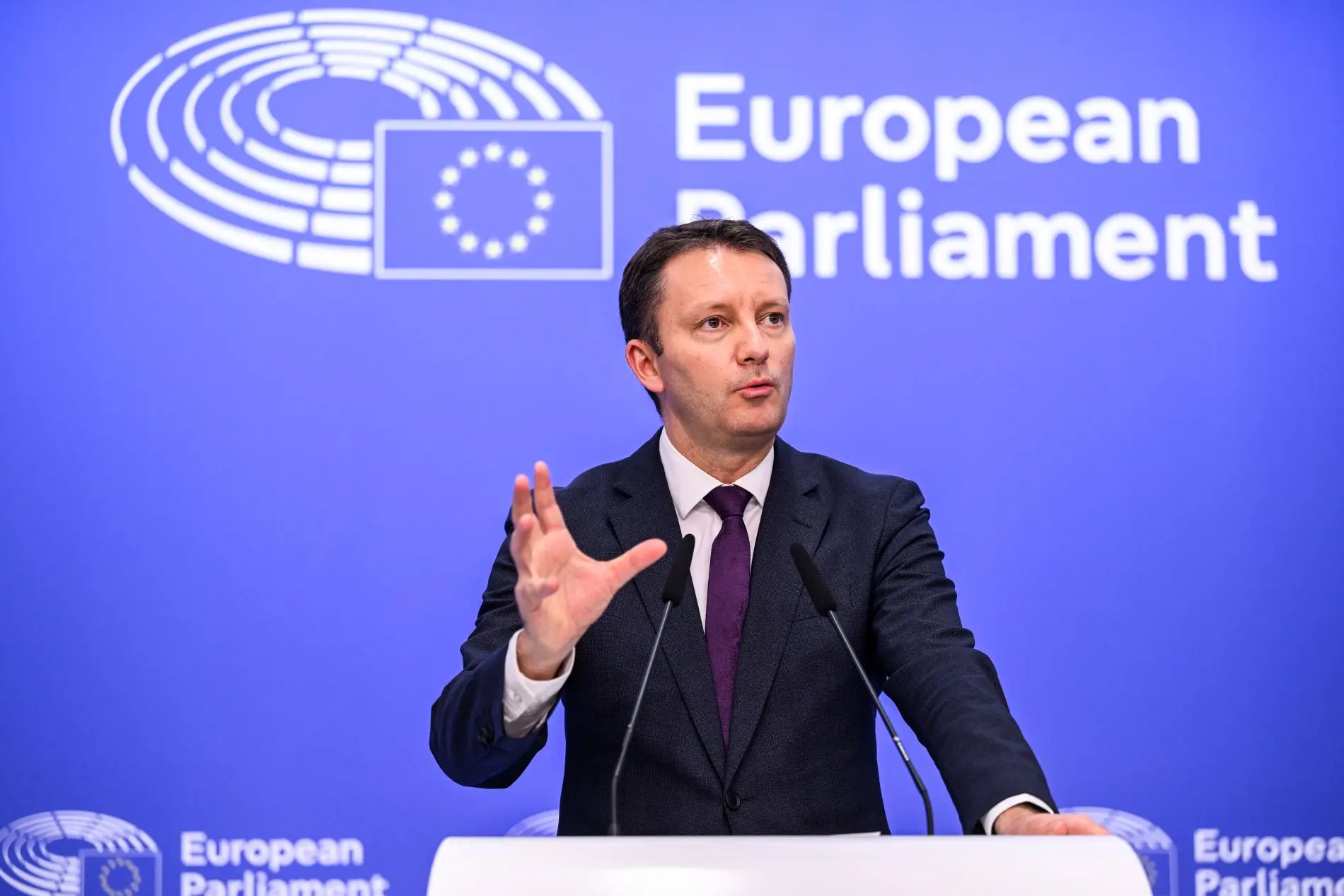
Siegfried Mureșan – photo: European Parliament

Siegfried Mureșan – photo: European Parliament

Siegfried Mureșan – photo: European Parliament

With negotiations on the 2028-2034 Multiannual Financial Framework – the next EU budget – in full swing, the European Council and the European Parliament are beginning to lay out their cards on the priorities for the next budget period, including the revamping of cohesion policy modeled after the post-COVID recovery.

After threats and détente between MEPs and Commission President Ursula von der Leyen, work has begun in Parliament to try to alleviate the most pressing concerns about the National and Regional Partnership Plans, which, according to the EU executive’s proposal, should bring together cohesion policy funds with those of the Common Agricultural Policy (CAP), social policy, fisheries policy, and migration, border management, and internal security.

“We fear that cohesion policy funds could be reused to finance new priorities without adequate compensation, compromising the long-term mission of reducing disparities and promoting territorial convergence,” explains Siegfried Mureșan, MEP for the European People’s Party (EPP) and Parliament’s co-rapporteur on the Multiannual Financial Framework 2028-2034, in an interview with OBCT.

How do you assess the Commission’s proposal?

The Commission’s proposal falls short of expectations and represents a disappointing start to negotiations. It was presented in a non-transparent manner, without adequate written documentation being shared with the European Parliament beforehand.

The proposal is not up to today’s challenges.

The size of the budget remains essentially unchanged, despite the multiplication of our priorities, including defense, competitiveness, and external action.

Much of the reported increase is simply the result of inflation adjustment and Next Generation EU debt repayment. These figures, while substantial on paper, offer no added value to beneficiaries.

Furthermore, the proposal risks weakening the EU by promoting a renationalized vision of the budget, marginalizing the role of Parliament, and diluting the European character of key policies such as cohesion and agriculture.

It offers less predictability to beneficiaries and more discretion to the Commission, with fewer budget lines and reduced transparency.

How would the centralization and renationalization of European policies take shape?

Renationalization would occur through the introduction of National and Regional Partnership Plans, which risks transforming the EU budget into a set of 27 national agendas.

Rather than a shared European vision, the current proposal promotes fragmented implementation, with disproportionate control by national governments.

Currently, EU funds are planned seven years in advance. Beneficiaries enjoy predictability, and all funds are allocated based on objective criteria known in advance for the entire seven-year period.

If funds were allocated based on decisions taken by national governments, there would be a risk of fragmentation of the internal market and the emergence of new distortions among Member States.

There is also the risk of unpredictability, because new governments could amend existing plans, and beneficiaries would lose the predictability they rely on.

The Commission proposes using implementing acts to approve these plans, excluding the European Parliament from the process. This undermines democratic accountability, weakens the Union’s legislative authority, and marks a clear departure from the traditional approach based on jointly designed, rules-based, and transparently managed programs.

At the same time, the centralization of decision-making within the Commission – particularly in areas such as external action and competitiveness – further marginalizes both Parliament and regional actors.

The result is a less European and less democratic budget.

And what are the most critical aspects of cohesion policy?

The main concern regarding cohesion policy is the loss of a separate, constrained budget and legal basis.

Without it, cohesion risks becoming a residual category within a broader national implementation framework, where funds are allocated based on national preferences rather than shared European criteria and objectives.

Furthermore, the proposal weakens the role of regions and local authorities, which are essential in designing and implementing cohesion investments.

The Parliament has clearly stated that cohesion must remain a distinct EU policy, with its own priorities, governance, and rules, and not be absorbed into national plans that vary from one Member State to another.

Is there a risk that national governments could override local and regional authorities in the design and implementation of programs?

Yes, and this risk is real.

By shifting the governance structure toward National and Regional Partnership Plans, the proposal gives disproportionate influence to national governments.

This model marginalizes local and regional authorities, who are often best placed to identify investment needs and effectively implement EU-funded programs.

Without the mandatory involvement of subnational authorities and a clear European framework, there is a risk that capitals could monopolize planning and implementation, to the detriment of subsidiarity, regional development, and democratic legitimacy.

What would be the impact on less developed regions?

By weakening the cohesion framework and shifting focus to national plans, there is a risk that less developed and peripheral regions will lose direct access to funding or be sidelined in favor of national priorities established in the capitals.

This could reduce predictability, weaken the European dimension of cohesion policy, and undermine efforts to reduce disparities within the Union.

However, there are also some positive signs.

The Commission has proposed allocating approximately €180 billion to less developed regions – a level broadly in line with the 2021-2027 period – through instruments such as the European Regional Development Fund (ERDF) and the European Social Fund Plus (ESF+).

The proposal also includes increased support for eastern regions, particularly those bordering Ukraine, Russia, and Belarus, in recognition of their greater geopolitical exposure.

The pledged commitment to increased funding for poorer regions is in line with long-standing demands from Parliament.

This proposal, though imperfect in many respects, can be a starting point.

We must ensure that the final agreement strengthens, rather than weakens, the role and resources of Europe’s less developed regions.

And what else can we start from in the negotiations?

Certainly from the elements of the proposal that represent a step in the right direction.

First, the Commission has accepted Parliament’s request to relaunch the debate on new own resources, an important step to ensure the EU can repay its common debt and finance new priorities without affecting traditional policies.

The inclusion of revenue sources linked to political objectives, such as green and health taxes, is encouraging.

We also welcome the Commission’s response to Parliament’s request to increase EU defense spending, with the aim of developing a genuine European Defense Union.

However, it must be ensured that this does not come at the expense of cohesion or agriculture, which remain key pillars.

Parliament will insist on a clear timeline, sufficient funds, and strong political support to ensure these are effective instruments.

This article was produced as part of the  EuSEE project, co-funded by the European Union. However, the views and opinions expressed are solely those of the author(s) and do not necessarily reflect those of the granting authority, and the European Union cannot be held responsible for them.

Cohesion policy, the European Parliament is working to mitigate risks

MEPs want to prevent funds in the new cycle from being allocated “based on national preferences rather than shared European criteria and objectives.” Interview with Siegfried Mureșan, co-rapporteur on the Multiannual Financial Framework 2028-2034

26/02/2026, Federico Baccini Brussels
Siegfried Mureșan – photo: European Parliament

Siegfried Mureșan – photo: European Parliament

Siegfried Mureșan – photo: European Parliament

With negotiations on the 2028-2034 Multiannual Financial Framework – the next EU budget – in full swing, the European Council and the European Parliament are beginning to lay out their cards on the priorities for the next budget period, including the revamping of cohesion policy modeled after the post-COVID recovery.

After threats and détente between MEPs and Commission President Ursula von der Leyen, work has begun in Parliament to try to alleviate the most pressing concerns about the National and Regional Partnership Plans, which, according to the EU executive’s proposal, should bring together cohesion policy funds with those of the Common Agricultural Policy (CAP), social policy, fisheries policy, and migration, border management, and internal security.

“We fear that cohesion policy funds could be reused to finance new priorities without adequate compensation, compromising the long-term mission of reducing disparities and promoting territorial convergence,” explains Siegfried Mureșan, MEP for the European People’s Party (EPP) and Parliament’s co-rapporteur on the Multiannual Financial Framework 2028-2034, in an interview with OBCT.

How do you assess the Commission’s proposal?

The Commission’s proposal falls short of expectations and represents a disappointing start to negotiations. It was presented in a non-transparent manner, without adequate written documentation being shared with the European Parliament beforehand.

The proposal is not up to today’s challenges.

The size of the budget remains essentially unchanged, despite the multiplication of our priorities, including defense, competitiveness, and external action.

Much of the reported increase is simply the result of inflation adjustment and Next Generation EU debt repayment. These figures, while substantial on paper, offer no added value to beneficiaries.

Furthermore, the proposal risks weakening the EU by promoting a renationalized vision of the budget, marginalizing the role of Parliament, and diluting the European character of key policies such as cohesion and agriculture.

It offers less predictability to beneficiaries and more discretion to the Commission, with fewer budget lines and reduced transparency.

How would the centralization and renationalization of European policies take shape?

Renationalization would occur through the introduction of National and Regional Partnership Plans, which risks transforming the EU budget into a set of 27 national agendas.

Rather than a shared European vision, the current proposal promotes fragmented implementation, with disproportionate control by national governments.

Currently, EU funds are planned seven years in advance. Beneficiaries enjoy predictability, and all funds are allocated based on objective criteria known in advance for the entire seven-year period.

If funds were allocated based on decisions taken by national governments, there would be a risk of fragmentation of the internal market and the emergence of new distortions among Member States.

There is also the risk of unpredictability, because new governments could amend existing plans, and beneficiaries would lose the predictability they rely on.

The Commission proposes using implementing acts to approve these plans, excluding the European Parliament from the process. This undermines democratic accountability, weakens the Union’s legislative authority, and marks a clear departure from the traditional approach based on jointly designed, rules-based, and transparently managed programs.

At the same time, the centralization of decision-making within the Commission – particularly in areas such as external action and competitiveness – further marginalizes both Parliament and regional actors.

The result is a less European and less democratic budget.

And what are the most critical aspects of cohesion policy?

The main concern regarding cohesion policy is the loss of a separate, constrained budget and legal basis.

Without it, cohesion risks becoming a residual category within a broader national implementation framework, where funds are allocated based on national preferences rather than shared European criteria and objectives.

Furthermore, the proposal weakens the role of regions and local authorities, which are essential in designing and implementing cohesion investments.

The Parliament has clearly stated that cohesion must remain a distinct EU policy, with its own priorities, governance, and rules, and not be absorbed into national plans that vary from one Member State to another.

Is there a risk that national governments could override local and regional authorities in the design and implementation of programs?

Yes, and this risk is real.

By shifting the governance structure toward National and Regional Partnership Plans, the proposal gives disproportionate influence to national governments.

This model marginalizes local and regional authorities, who are often best placed to identify investment needs and effectively implement EU-funded programs.

Without the mandatory involvement of subnational authorities and a clear European framework, there is a risk that capitals could monopolize planning and implementation, to the detriment of subsidiarity, regional development, and democratic legitimacy.

What would be the impact on less developed regions?

By weakening the cohesion framework and shifting focus to national plans, there is a risk that less developed and peripheral regions will lose direct access to funding or be sidelined in favor of national priorities established in the capitals.

This could reduce predictability, weaken the European dimension of cohesion policy, and undermine efforts to reduce disparities within the Union.

However, there are also some positive signs.

The Commission has proposed allocating approximately €180 billion to less developed regions – a level broadly in line with the 2021-2027 period – through instruments such as the European Regional Development Fund (ERDF) and the European Social Fund Plus (ESF+).

The proposal also includes increased support for eastern regions, particularly those bordering Ukraine, Russia, and Belarus, in recognition of their greater geopolitical exposure.

The pledged commitment to increased funding for poorer regions is in line with long-standing demands from Parliament.

This proposal, though imperfect in many respects, can be a starting point.

We must ensure that the final agreement strengthens, rather than weakens, the role and resources of Europe’s less developed regions.

And what else can we start from in the negotiations?

Certainly from the elements of the proposal that represent a step in the right direction.

First, the Commission has accepted Parliament’s request to relaunch the debate on new own resources, an important step to ensure the EU can repay its common debt and finance new priorities without affecting traditional policies.

The inclusion of revenue sources linked to political objectives, such as green and health taxes, is encouraging.

We also welcome the Commission’s response to Parliament’s request to increase EU defense spending, with the aim of developing a genuine European Defense Union.

However, it must be ensured that this does not come at the expense of cohesion or agriculture, which remain key pillars.

Parliament will insist on a clear timeline, sufficient funds, and strong political support to ensure these are effective instruments.

This article was produced as part of the  EuSEE project, co-funded by the European Union. However, the views and opinions expressed are solely those of the author(s) and do not necessarily reflect those of the granting authority, and the European Union cannot be held responsible for them.

Comment and share

OBCT's Newsletter

To your inbox every two weeks