Bosnia and Herzegovina: The international corporate invasion is everywhere
to be done
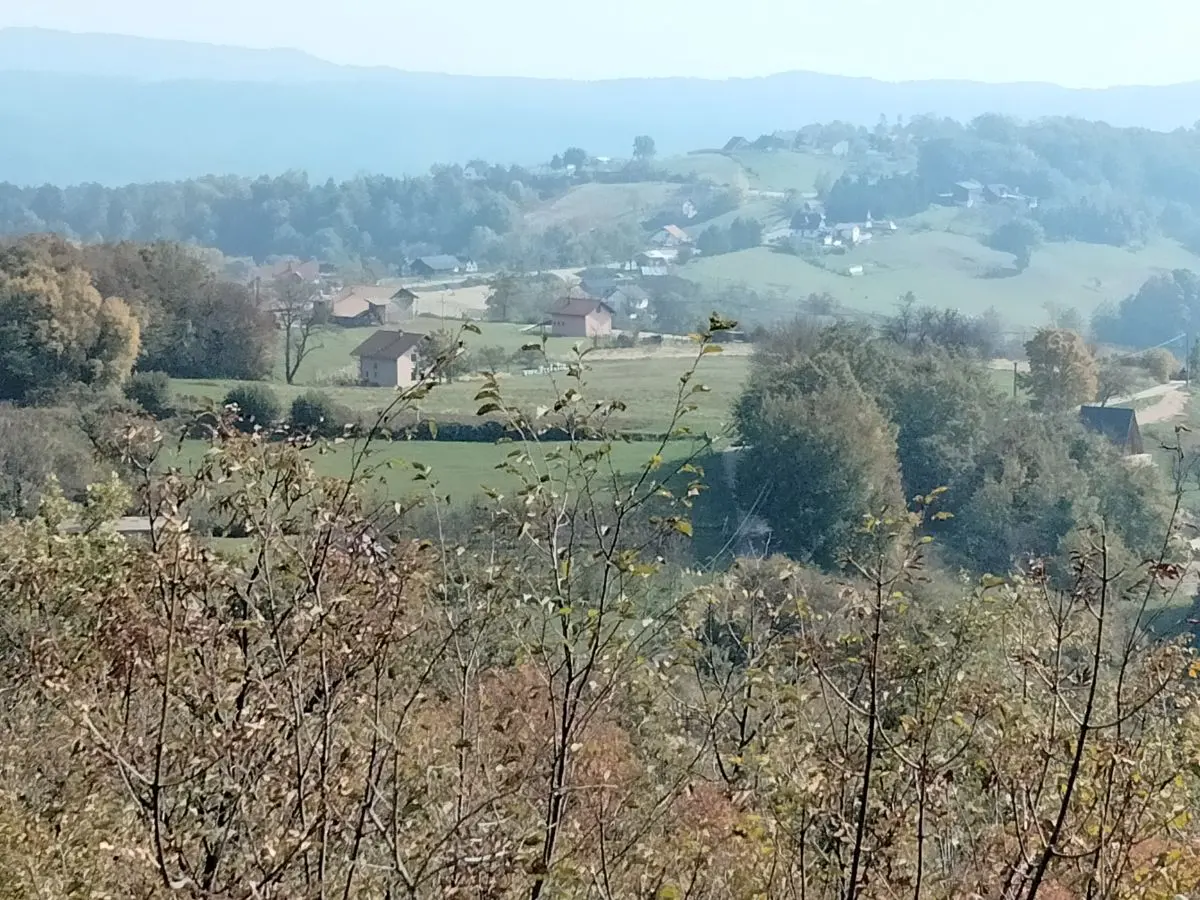
Ozren mountain, BIH, land under threat of mining by Lykos – Foto P. Lippman
Ozren mountain, BIH, land under threat of mining by Lykos - Foto P. Lippman
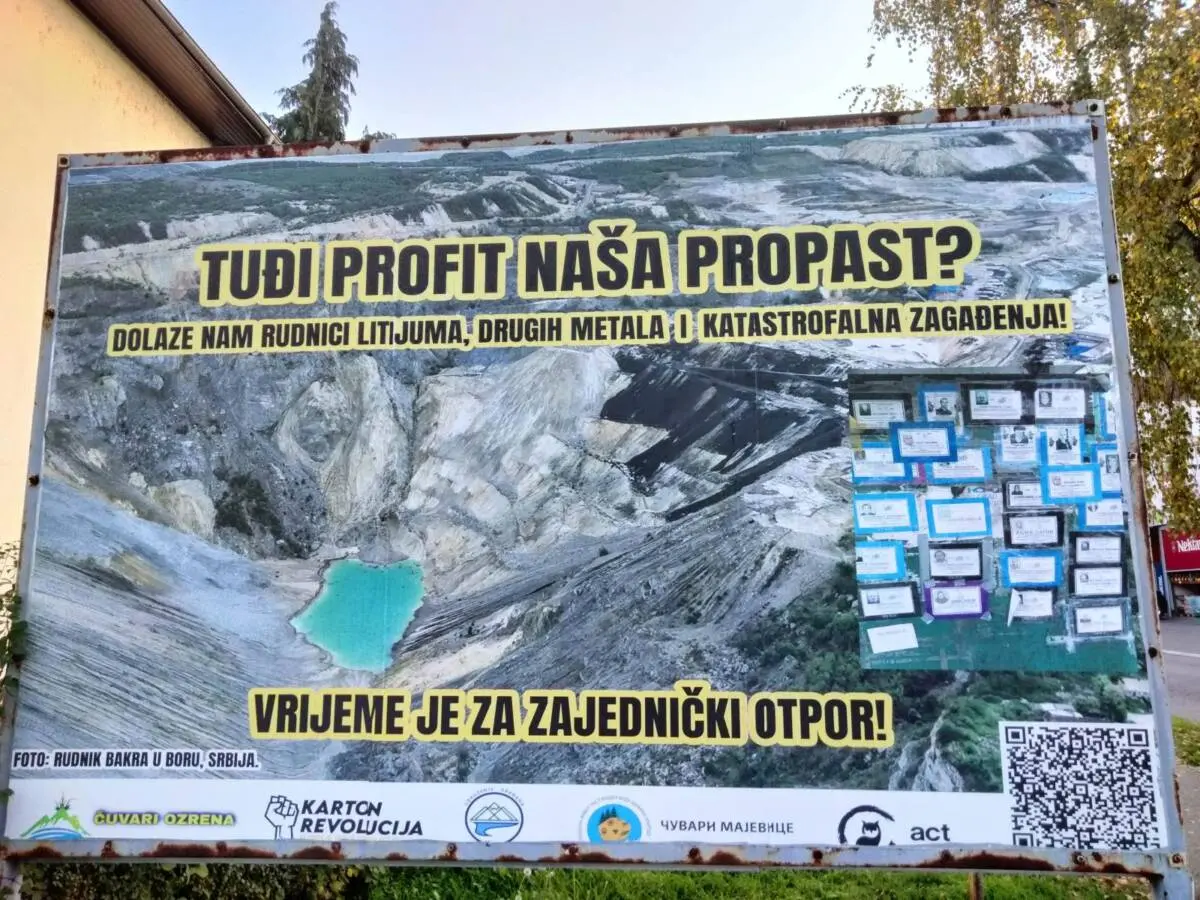
For each international company attempting to extract precious minerals in locations throughout Bosnia and Herzegovina that are under threat, there is a local and regional campaign to protect the land and the waters. Bosnians are aware of the worst of what industrial extraction can do in their region. For example, they have seen that at Majdanpek and Bor, two rich copper mines in eastern Serbia, people’s health is seriously threatened by the deadly effects of copper and gold mining.
The anti-mining campaign around Majevica is just one of many cases of resistance against destructive mining practices scattered around Bosnia and Herzegovina. On the Ozren heights, to the west of Majevica, the Australian company Lykos wants to dig for nickel, cobalt and other strategic minerals. A strong grassroots movement based in the villages of Ozren has made it clear that the local population will resolutely oppose any mining in that area. One of their protest banners reads: “Leave while we are still polite”.
In the southwest Bosnian town of Kupres, a several-years’ campaign against proposed mining for magnesium has, for the time being, thwarted the attempts of the German mining company MFE (Magnesium for Europe) to exploit deposits of the mineral in the highlands around the town. MFE hopes to collaborate with local companies that hold the concession for prospecting in the area. Environmentalists and youth groups are pressuring local officials to void the concession in order to prevent contamination of water and damage to the tourist industry.
The mining company Vareški Metali, formerly known as Seven Plus and owned by the mining entrepreneur Miloš Bošnjaković, hopes to open a chromium mine near Vareš. Chromium is yet another strategic mineral whose extraction promises widespread pollution of the water and air, in this case, the valley of the Krivaja River.
Inhabitants of this area are aware of the environmental damage resulting from chromium mining at Bulqize, Albania, one of the largest sources of the mineral in Europe. There, one report notes environmental problems including “air pollution, soil contamination, surface water and groundwater contamination, landscape degradation, destruction and disturbance of ecosystems and habitats…”. Along with the irreversible degradation of the environment, the mining also releases dust of a chromium byproduct known to cause lung cancer.
Given all of these potential damages from the proposed chromium mine near Vareš, a Bosnian forestry professor declared: “If this mine is built, it will be an ecological atomic bomb for the surrounding area and the Krivaja River, because everything within a radius of about 120 kilometres, including all major cities in Bosnia and Herzegovina, would be contaminated”.
Corruption lubricates the gears of plunder
It is clear that the farmers and townspeople of Bosnia and Herzegovina are confronted with a grave environmental and public health threat on many fronts. And their resistance faces an international force fueled by the profit motive and facilitated by pervasive corruption. Ministries of the environment, of mining and of finance, among others, work to smooth the way for domestic and international industrial companies to pillage the natural wealth of the country.
Majevica land defender Andrijana Pekić told me: “When they say: ‘everything is being done according to the latest, safe environmental standards’, what is really happening is that the concessions are being granted via bribery. They cannot do these things in Germany. They talk about ‘technology that does not pollute’. If that existed, they would be using it in Germany”.
Some of the ministers have notorious portfolios of corruption. They encourage environmental raiders by providing them with illegal concessions that flout property laws. Local residents in a potentially afflicted area are the last to learn about such concessions. It is common that by the time they learn, prospecting is already underway. In Jezero, a company affiliated with Lykos conducted exploratory drilling in the dark, under floodlights.
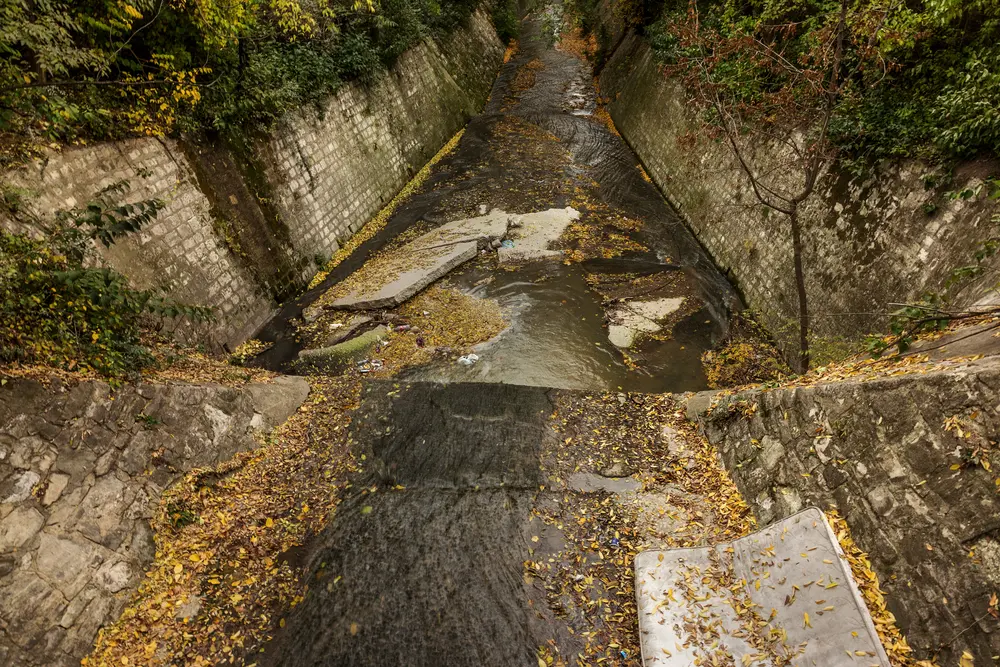
Government safety inspectors are also part of the problem. Inspectors from agencies at various levels routinely announce that there is no problem even when, for example, runoff from mining activity has turned a nearby river murky.
If one expands the concept of transition to include not only the contemporary “green transition”, but also the post-socialist conversion that has taken place throughout Bosnia and Herzegovina since the war, it is clear that the two phases are closely connected. From the period leading up to the country’s separation from Yugoslavia on through the devastating war, profiteering became one of the guiding motives of the nationalist and separatist leaders. The 1992-95 war was characterized by plunder at many levels, from looting up to the expropriation of entire factories.
Accompanying this widespread larceny was the near-total ethnic homogenization into separate territories which, in the long term, made the divided populations all the more easy to manipulate and control.
In postwar Bosnia, the warlords and their political heirs put on suits, became members of parliament, and continued the plunder by other means. Under the “party-ocracy” (strankokratija), the elite officiated the privatization of state-owned companies at all levels, from the cafés up to the public mega-corporations that had once made Bosnia’s economy thrive. A raft of state-owned firms that should never have privatized were bought up and parted out like so many stolen cars, with the profits going to the leaders of the political parties and to their cronies.
The process continues, with the attending immiseration and exodus of tens of thousands of ordinary people. Next came the assault on rich natural resources of Bosnia and Herzegovina. Veteran river defender Robert Oroz from Fojnica told me: “The whole society has been plundered. Everything that could be stolen has been taken. For example, the giant companies such as EnergoInvest or Hidrogradnja – these were competitive companies – all that state-owned property disappeared. Then they started on the natural resources. First it was our forests and water, and then they came for the minerals”.
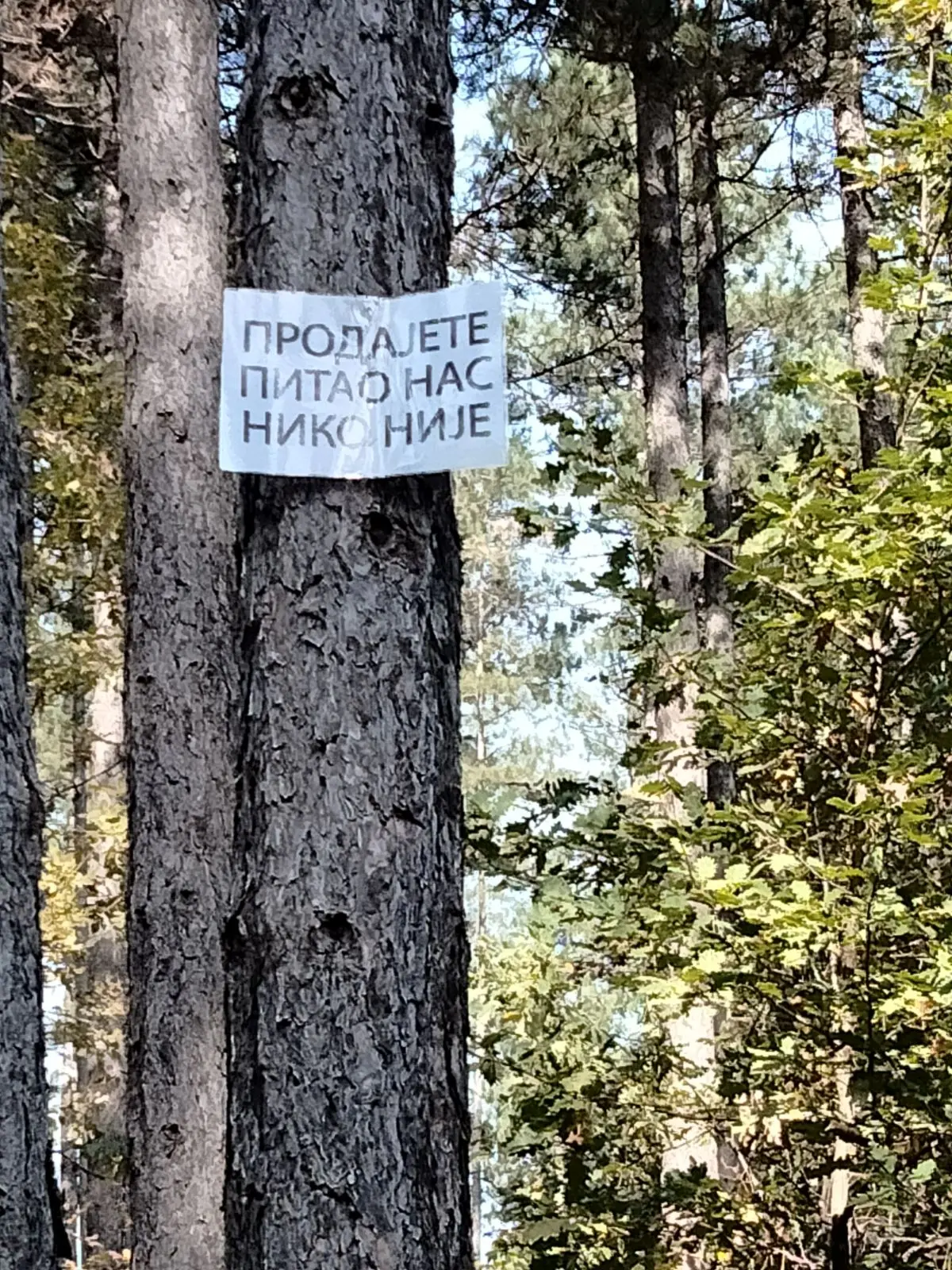
Sign in the woods on Mt. Gostilj, Ozren – ‘You’re selling, but no one asked us’- photo P. Lippman
The dilemma of dirty energy production
With well over two and a half billion tons of available coal under the ground in Bosnia and Herzegovina, it is no wonder that more than 60% of the country’s energy production depends on that fuel. Journalist Predrag Zvijerac tells me that coal power provides 80% of Sarajevo’s electricity. However, Bosnia’s dependence on coal is problematic not only because it is the dirtiest source of energy. Of the five main coal-burning power plants in the country (Stanari, Ugljevik, Kakanj, Gacko and Tuzla), most are in serious trouble. Operation of the plant at Ugljevik has been sporadic in recent years, due to problems with the supply chain for coal.
New power plants were supposed to be built in Ugljevik and Tuzla, but that process has been stalled for many years. The five main plants average over 40 years old, even with the privately-owned one at Stanari only 10 years old. The other four plants are notorious polluters. Given the tenuous state of these aging installations, the coal-power system is in dire condition.
This is compounded by the fact that, in spite of the vast reserves of coal available, the coal mines are also in bad shape. The major coal mine at Zenica is in the process of being shut down due to poor financial management, putting 500 miners out of work.
In any case, the long-term prospects for coal are not promising, especially if Bosnia and Herzegovina adheres to the European Union’sgoal of ending all coal use.
The unhopeful future of coal exploitation, coupled with widespread environmental problems in developing alternative energy sources, put Bosnia’s economy in a dilemma. I asked Sarajevo activist Svjetlana Nedimović if she believed that there could be a sustainable solution to the problems of energy production. She suggested that we look at reducing energy consumption as part of the solution. “All the renewable energy in the world cannot fuel the war machines, the wars, the adventures in space, the luxurious lifestyles”.
“Every existence of a human being is an intervention in nature”, she continued. “So, it is just a question of how you balance things. What I am interested in is keeping the energy sector out of private hands”.
Historically, it was the Yugoslav state that controlled mining and oversaw the post-World War II transition from an agrarian economy to an industrial one. But in parallel with other transitions after the 1990s war, all investment has been in private.
Svjetlana Nedimović concluded by saying: “If we allow privatization of the energy industry, we allow privatization of everything. If it all [energy production] goes into private hands, then we are an enslaved society for the long-term”.