Montenegro-United Arab Emirates agreements: Transparency concerns and environmental risks
Concerns are growing over agreements approved by the Montenegrin parliament to authorise investments in the country by the United Arab Emirates, in derogation transparency and environmental protection principles. The operation also raises concerns about the path to European integration
Montenegro-United-Arab-Emirates-agreements-Transparency-concerns-and-environmental-risks
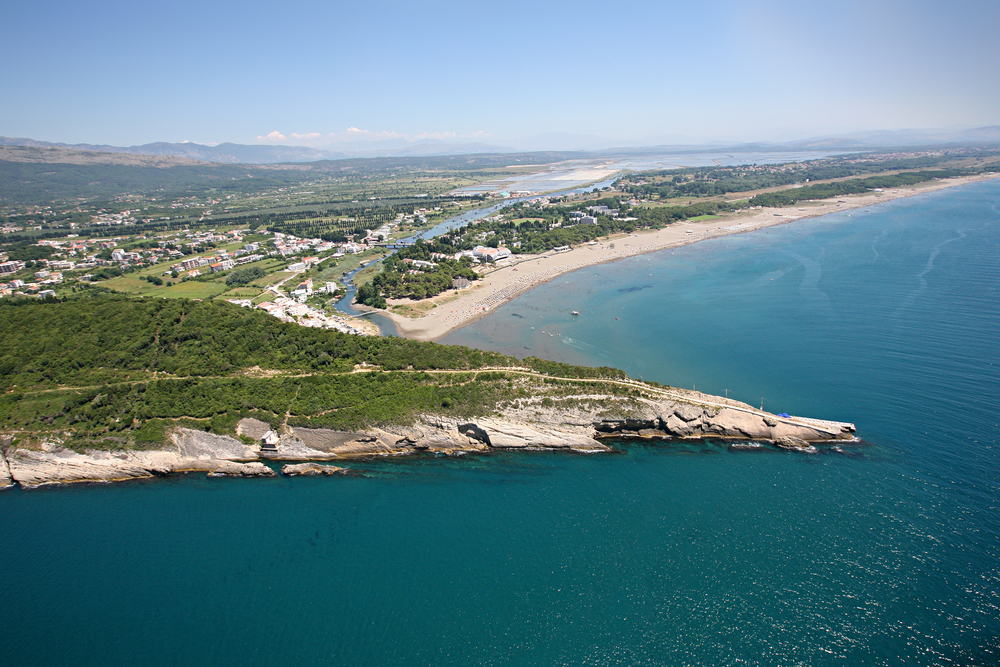
Velika Plaža, Ulcinj, Montenegro © biggunsband/Shutterstock
At the end of April 2025, the National Parliament of Montenegro ratified two agreements between the Government of Montenegro and the Government of the United Arab Emirates (UAE).
Montenegrin president Jakov Milatović promptly signed the General Agreement on Economic Cooperation. However, he declined to sign the Agreement on Cooperation in Tourism and Real Estate Development, returning it to Parliament for reconsideration. Citing numerous concerns, Milatović argued that the second agreement was not in line with the Constitution.
Despite the president’s warnings , concerns raised by European Union representatives and strong opposition from civil society and opposition parties, the agreement was re-adopted in parliament by a narrow majority and entered into force in early June. The agreement paves the way for UAE investors to gain a privileged position in developing and investing in Montenegro’s most attractive areas.
This raises serious concerns about the potential risks to public resources, the environment and economic interests of Montenegro, as well as to the integrity of the country’s European path. As a candidate for EU membership – considered a frontrunner for the next enlargement round –Montenegro is expected to uphold standards aligned with EU values and priorities.
The agreement allows UAE companies to build residential and tourism facilities under preferential conditions and without public tenders, even in areas of particular importance for biodiversity and for the wonders of uncontaminated nature.
The European Union has voiced concern through Commissioner for Enlargement Marta Kos, who warned that the Government of Montenegro should not, during the implementation of the agreement, violate principles of fair competition or place domestic and EU-based companies at a disadvantage compared to those from the UAE.
“The adoption of the agreement with the Emirates poses a serious threat to the rule of law in Montenegro, the European integration process and sustainable development”, explains to OBCT Vanja Ćalović, one of the leading figures of local civil society and director of the NGO MANS.
Ćalović, along with numerous civil society colleagues, led a campaign demanding that the Agreement on Cooperation in Tourism and Real Estate not be adopted without a public debate. She argued that the Agreement is contrary to the Constitution of Montenegro, as well as the Stabilization and Association Agreement (SAA) with the European Union, under which Montenegro is obligated to align both its legal framework and practices with EU standards.
Montenegrin prime minister Milojko Spajić, from the Europe Now Movement (PES), announced investments from the United Arab Emirates amounting to 35 billion Euros, nearly Montenegro’s ten-year budget. The leading investor from the UAE, Mohamed Alabbar, personally invited to Montenegro by the prime minister, has visited the country several times in recent weeks, expressing interest in various locations.
Alabbar is no stranger to the region. In addition to significant investments in Albania, including the redevelopment of the Port of Durrës, he is also active in Serbia as the official investor behind the controversial “Belgrade Waterfront” project, supported by Serbian president Aleksandar Vučić, but strongly criticised by the opposition and experts.
In Montenegro, Alabbar initially proposed building a luxury resort and residential complex on Velika Plaža (Long Beach) in Ulcinj. However, following strong protests from the local authorities, civil society and environmental groups, he announced that he was abandoning the project, while expressing interest in investing in other parts of the country.
"These planned investments include large-scale tourism developments in areas that should be part of Natura 2000, the world’s largest network of protected areas, such as Buljarica, Sinjajevina, Bjelasica, and Velika Plaža, including the closely linked Ulcinj Saltworks, which represents a final benchmark in Montenegro’s path to EU membership," said Jovana Janjušević, director of the Center for the Protection and Study of Birds (CZIP).
Environmental organisations have been among the most vocal opponents of the agreement with the UAE. Velika Plaža, one of Montenegro’s few remaining untouched natural habitats, stretches 12.5 kilometers along the coast to the Albanian border. More than one thousand plant species have been identified there, some of them legally protected, and around 400 animal species have been recorded in the area and its hinterland, with experts estimating the actual number to be much higher.
"This area is critical and represents one of the global biodiversity hotspots," stated Bogić Gligorović, a renowned Montenegrin biologist. Experts warn that aggressive construction could irreversibly damage the ecosystem, putting countless plant and animal species at risk of extinction.
Previously, in his public remarks, Mohamed Alabbar stated that a new airport infrastructure would be crucial to the success of his proposed project. The airport was planned to be built in the very heart of Ulcinj.
“The construction of such infrastructure would violate the protected area status enjoyed by this site, which includes a designated nature park and the Ulcinj Salina, a Ramsar site of international importance. Montenegro will not be able to meet one of the final requirements for EU accession without preserving the environmental conditions favorable to this habitat”, explains Jovana Janjušević, director of the Centre for Protection and Research of Birds (CZIP).
Environmental activists strongly oppose proposals to concrete over Velika Plaža and Buljarica Beach, another coastal site just north of Ulcinj. Both locations are ecologically significant: they contain the last remaining dunes in Montenegro, serve as nesting grounds for the endangered loggerhead sea turtle (Caretta caretta), provide habitat for the critically endangered Mediterranean monk seal, and host rare temporary Mediterranean pools that support various protected species of amphibians and reptiles.
Prime minister Spajić has repeatedly announced his intention to grant Alabbar access to state-owned land at Velika Plaža for the construction of hotels and apartments without a public tender and under a 99-year lease. The agreement adopted by parliament now allows UAE investors to bypass existing spatial plans, Montenegro’s official development strategy and key environmental and biodiversity protection principles in an area, like Velika Plaža, which is unique and largely untouched.
Spajić also suggested the possibility of offering other valuable sites to UAE investors, including coastal “pearls” and untouched northern regions of high biodiversity.
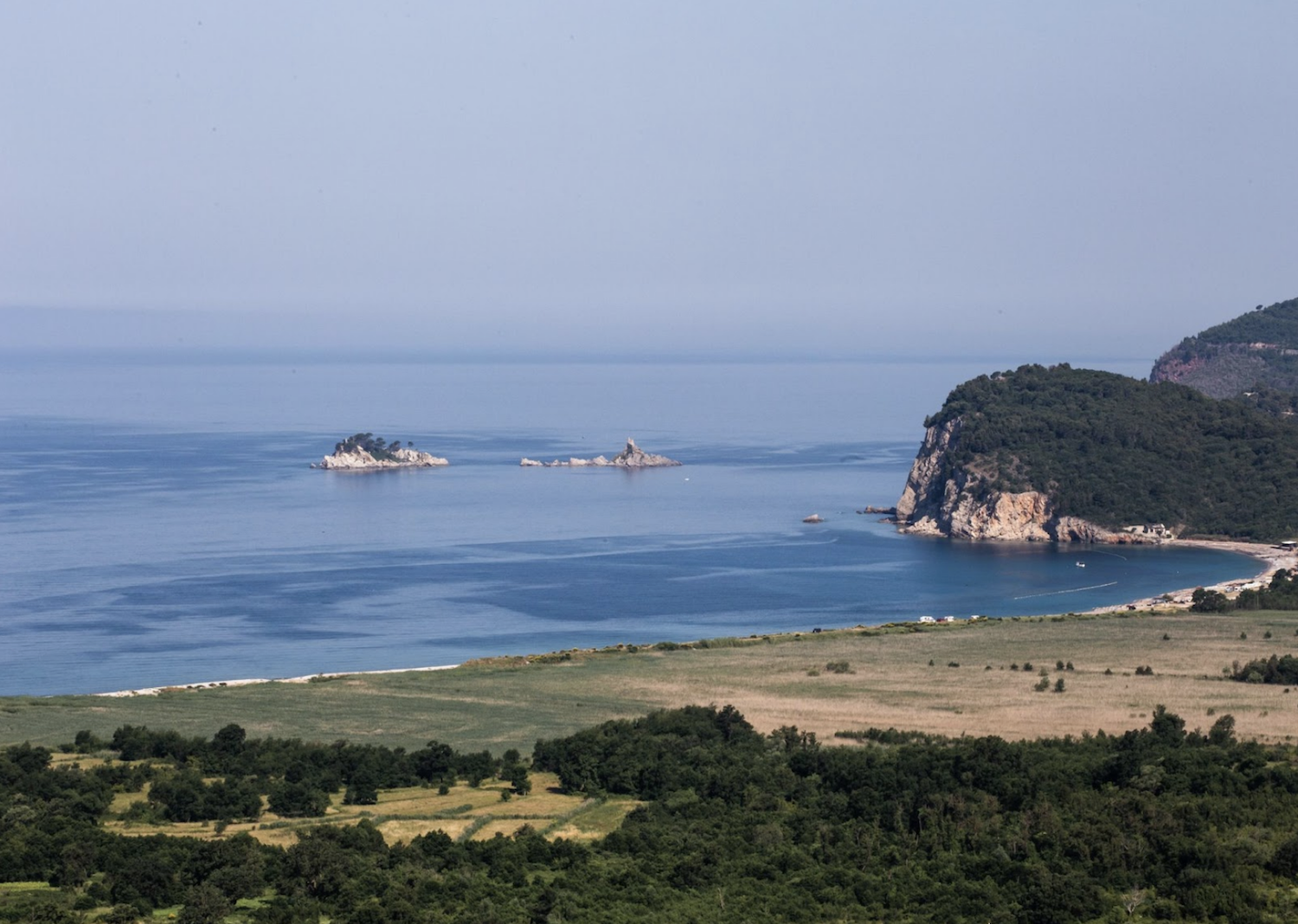
Buljarica, one of the potential development sites – © Montenegrin Ecologists Society
"My interest in Montenegro began as a tourist—I was drawn by its stunning coastline, rich culture, and remarkable architecture. I believe the country has immense potential, and every project must ultimately serve the community: for the people, by the people," Alabbar told local media in April. He added that his companies are currently awaiting guidance from local authorities, communities, and the government to understand their priorities and determine how best to contribute. However, he stressed that no construction would take place without the consent of the local population.
Mohamed Alabbar is the founder of Emaar Properties, the company behind landmark buildings such as the Burj Khalifa, the world’s tallest skyscraper, and the Dubai Mall, the world’s largest shopping mall. Forbes estimates his net worth at 2.3 billion Euros.
Shares in his companies are held by the Investment Corporation of Dubai and by senior UAE officials, including the ruler of Dubai, Sheikh Mohammed bin Rashid Al Maktoum. Alabbar also owns Eagle Hills, a private real estate and investment company operating in 18 countries across Asia, Africa and Eastern Europe.
Montenegrin media hsve reported concerns about Alabbar’s business practices, urging caution in light of his past projects. Developments such as the Belgrade Waterfront, the Durrës Yachts & Marina project in Albania, and several ventures in Asia have been marred by controversy , allegations of corruption, public criticism, and legal challenges.
Critics argue that the project’s lack of transparency and potential environmental harm are deeply concerning. From a geopolitical viewpoint, Montenegro, one of Europe’s smallest nations, risks compromising its sovereignty by allowing extensive foreign ownership, particularly from non-EU investors. There is a risk that Montenegro will become overly dependent on and vulnerable to influence of the United Arab Emirates.
Adding to these concerns is the fact that the United Arab Emirates until a few weeks ago was on the European Union’s grey list of high-risk countries, flagged for inadequate controls on money laundering and terrorist financing.
According to Eka Rostomashvili, anti-corruption expert at Transparency International, Montenegro should approach the issue of the agreements with the UAE with greater caution.
“Given the weak oversight of financial flows in the UAE […] it is reasonable to question whether Montenegro can ensure that the incoming investments are legitimate”, explained Rostomashvili in an interview with local media .
The UAE has already become a notable investor in Montenegro, ranking eighth in terms of foreign direct investment (FDI) from 2006 (the year Montenegro proclaimed independence) to 2024. In 2023 alone, it was the seventh largest source of FDI.
Reports from the Organized Crime and Corruption Reporting Project (OCCRP) and Transparency International further highlight concerns about Dubai’s role as a global hub for illicit finance. Due to weak regulations and a lack of transparency, the city has become an increasingly attractive haven for criminals, corrupt officials and those seeking to launder money.
Most company registries in the UAE are not publicly accessible, and those available generally disclose only formal representatives of companies, not their actual owners. These representatives often serve to conceal the true identity of those managing capital, making it difficult to verify who actually controls funds originating from the UAE.
Civil society activists in Montenegro warn that agreements signed with the UAE could further hinder the country’s already challenging fight against crime and corruption. There are also concerns that illicit local funds could be laundered through UAE-based companies. Some of the largest smuggling networks, particularly those involved in cigarette and narcotics trafficking, originated in Montenegro during the wars of the 1990s.
The Montenegrin judiciary has struggled to counter illegal activities, often supported by institutions, precisely because of the long-standing ties between organised crime and political structures. Over the past decades, a significant portion of illicit money has been laundered through rapid coastal development and construction projects.
“The agreement lacks anti-corruption clauses and contains no provisions for identifying the ultimate beneficial owners of capital or preventing money laundering”, explains Vanja Ćalović.
The director of MANS points out that the content of the agreement with the UAE and the non-transparent process by which it was adopted raise serious concerns about potential corruption and money laundering. “According to our report, the Special State Prosecutor’s Office is already investigating the entire arrangement”.
Ćalović is convinced that major agreements between the Montenegrin government and investors from the UAE will not be materialised, as citizens are likely to oppose the appropriation of state property, the overdevelopment of the coastline and the destruction of natural landscapes.
Last year, Moneyval, the Council of Europe’s anti-money laundering body, urged Montenegro to promptly strengthen its efforts to combat money laundering and terrorist financing. The lack of transparency in financial flows not only deters credible international investors but also contributes to the uncontrolled expansion of the gray economy, creating a favorable environment for investors from non-democratic countries.
“In light of Montenegro’s aspirations to join the EU, it is essential that the implementation of this agreement aligns with the EU acquis on public procurement”, wrote European Commissioner for Enlargement Marta Kos referring to the agreement with the UAE.
“Land is Montenegro’s most valuable and irreplaceable resource – once lost due to irresponsible spatial planning, it cannot be recovered. The current approach to land use, particularly in the projects discussed with Mohamed Alabbar, including the proposed development of Velika Plaža and other ecologically important areas, raises serious concerns”, explains to OBCT Jovana Janjušević from the CZIP.
Janjušević highlights that the realisation of the development ambitions of prime minister Spajić and investor Alabbar – especially the proposed large-scale Velika Plaža project – would have catastrophic consequences for millions of birds that depend on this habitat for feeding, nesting, resting and wintering along the Adriatic migratory corridor.
“Montenegro’s path to EU membership is not merely a procedural step but a chance to improve living standards, protect natural heritage and secure a healthier future. Agreements like the one signed with the UAE are not aligned with these goals”, concludes Janjušević.
This publication has been produced within the Collaborative and Investigative Journalism Initiative (CIJI ), a project co-funded by the European Commission. The contents of this publication are the sole responsibility of Osservatorio Balcani Caucaso Transeuropa and do not reflect the views of the European Union. Go to the project page
Found an error in this article? Please contact our editorial team at redazione@balcanicaucaso.org.
Tag: CIJI