[July 2009] Ancient, multicolored, ever-changing, Balkan cities are in steady search of a balance between traditional models of urban development and the challenges of modernity. Recently interested by deep changes - often dramatic ones, and marked by violent competition between private and public interests, Balkan cities yet preserve their strong European spirit, often managing to elaborate original urbanistic solutions. Osservatorio sui Balcani e Caucaso takes you to a short trip between architecture, urban development, and socio-political debate
22 April 2009
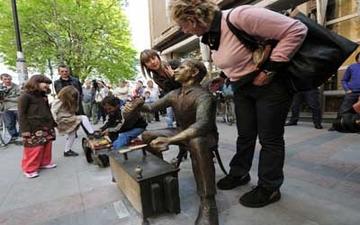
The Bull, the Beggar, the Bimbo....These are only some of the sculptures the Macedonian government has been installing in the centre of Skopje as part of its recently launched architectural renewal spree.The process has not left anyone dispassionate, stirring political controversy over the city's urbanistic development
2 July 2009
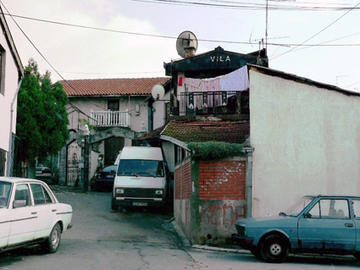
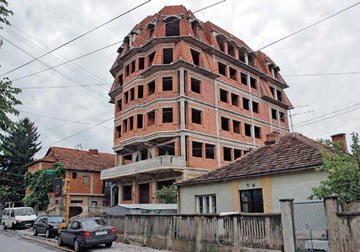
Belgrade is a city almost half of which built in an "informal way," that is to say, illegally. At the heart of this phenomenon that never seems to slow, despite efforts on the part of the authorities to thwart it, lie real estate speculation and a systemic incapacity to respond to the need for basic housing
26 June 2008
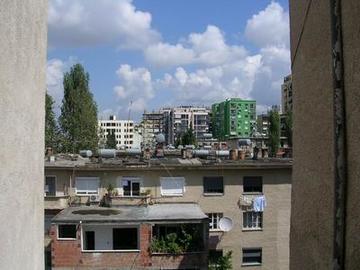
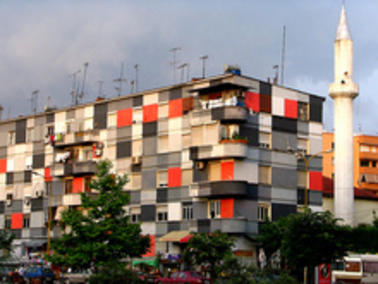
Public and private space. The latter eats up the former, chewing away bits of freedom and identity. The collective dimension overwhelmed by traffic and private property. A sociological reflection on urban planning in Tirana
12 March 2009
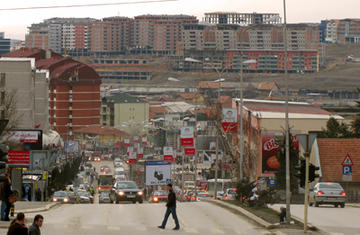
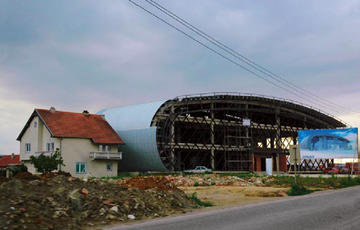
Pristina's population has increased from around 100,000 in 1981, to an estimated 500,000 today. The city's turbulent growth has been marked by a frenetic building activity without any planning. This model of development is now being questioned
DOSSIERS
16 March 2009
With his eclectic studies, urban researcher Kai Vöckler, curator of the exhibition Balkanology: New Architecture and Urban Phenomena in South-eastern Europe is trying to accomplish a "mission impossible": to prove that a participatory and sustainable urban life is also possible in South-eastern Europe. First part of an interview
18 March 2009
With his eclectic studies, urban researcher Kai Vöckler, curator of the exhibition Balkanology: New Architecture and Urban Phenomena in South-eastern Europe is trying to accomplish a "mission impossible": to prove that a participatory and sustainable urban life is also possible in South-eastern Europe. Second part of our interview